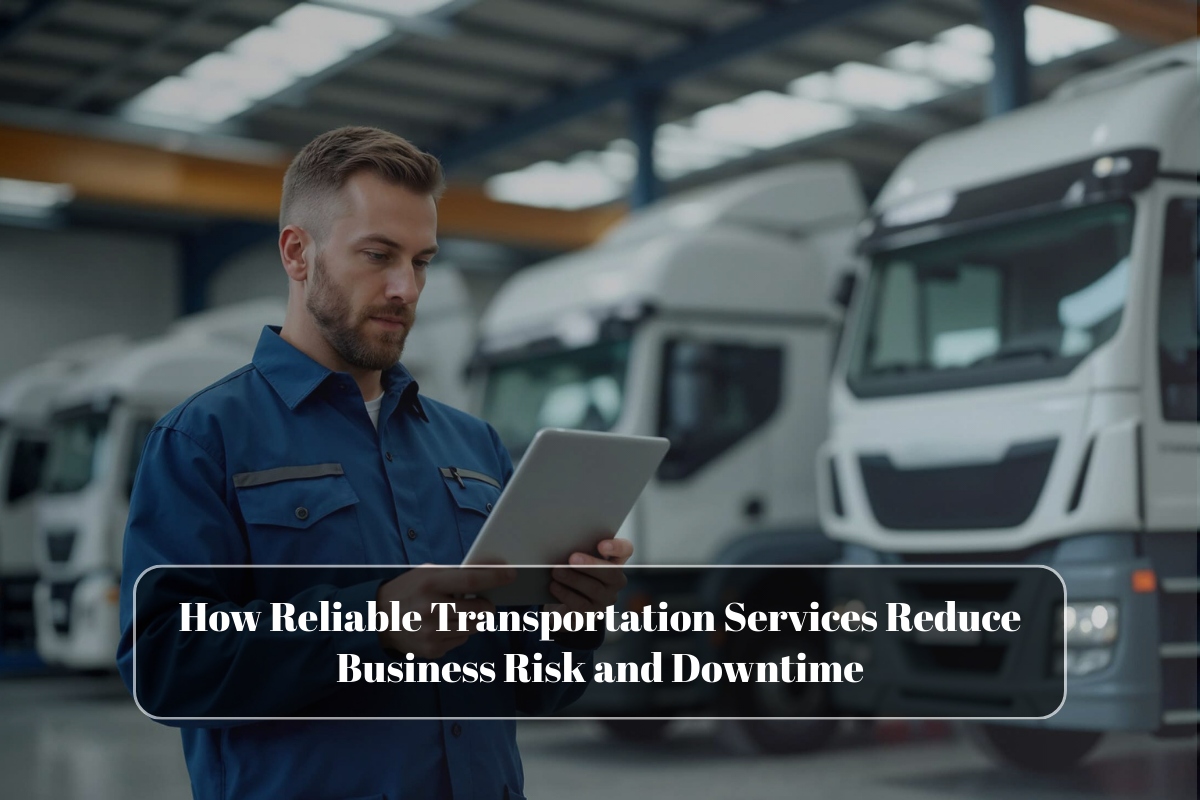
In today’s fast-moving business environment, time is a critical asset. Delays, missed deliveries, and inconsistent logistics performance can quickly ripple through operations, damaging customer trust and increasing costs. Reliable transportation services are not just a convenience; they are a strategic safeguard.
When freight moves consistently and predictably, businesses gain stability, protect their reputation, and reduce exposure to costly disruptions. Understanding how transportation reliability reduces business risk and downtime highlights why logistics should be viewed as a core component of operational resilience.
Reliability as a Foundation for Operational Stability
Every business that depends on the movement of goods relies on predictable transportation. Manufacturers need raw materials to arrive on schedule. Retailers need inventory available when customers expect it. Service providers need equipment and supplies delivered without interruption.
When transportation services are reliable, operations can be planned with confidence. Production schedules remain intact, staffing can be optimized, and workflow disruptions are minimized. This stability supports smoother day-to-day performance and reduces the stress that comes with constant uncertainty.
Reducing the Risk of Supply Chain Disruptions
Unreliable transportation increases vulnerability across the supply chain. Late shipments, inconsistent routes, or poor communication can quickly cause bottlenecks.
Reliable transportation providers help reduce these risks by maintaining consistent schedules, proactively managing potential disruptions, and offering contingency solutions when issues arise. Their ability to anticipate challenges, reroute shipments, or communicate delays early gives businesses more control over outcomes rather than leaving them in reactive mode.
Protecting Customer Relationships Through Consistent Delivery
Customer expectations around delivery performance continue to rise. Late or inconsistent deliveries can erode trust, damage brand reputation, and drive customers to competitors.
Reliable transportation services support consistent on-time delivery, which reinforces customer confidence. When clients can depend on accurate timelines and predictable service, they are more likely to view a business as professional, trustworthy, and dependable. Over time, this reliability strengthens long-term customer relationships and loyalty.
Minimizing Costly Downtime in Operations
Downtime is one of the most expensive risks businesses face. When materials, products, or equipment do not arrive on time, operations can stall.
For manufacturers, this might mean idle production lines. For retailers, empty shelves. For construction firms, halted projects. Each of these scenarios carries significant financial impact. Reliable transportation reduces the likelihood of these interruptions by ensuring critical shipments arrive when needed, helping operations continue without costly pauses.
Supporting Better Planning and Forecasting
Reliable transportation performance provides businesses with consistent data and predictable patterns. This allows for more accurate forecasting and more efficient planning.
When delivery timelines are dependable, businesses can manage inventory more effectively, reduce the need for excessive safety stock, and plan staffing and production with greater precision. This level of predictability reduces waste, improves efficiency, and supports more confident decision-making.
Lowering the Risk of Emergency Expenses
Unreliable transportation often leads to reactive spending. Businesses may need to pay for expedited shipping, emergency sourcing, overtime labor, or last-minute problem-solving to compensate for delays.
These unplanned expenses can significantly impact budgets. Reliable transportation reduces the frequency of such emergencies. When logistics performance is consistent, businesses can avoid costly rush solutions and instead operate within controlled, predictable cost structures.
Strengthening Business Continuity During Unexpected Events
Disruptions are inevitable, whether from weather, infrastructure issues, labor shortages, or broader global events. What separates resilient businesses from vulnerable ones is how well their transportation partners respond to these challenges.
Reliable transportation providers invest in contingency planning, flexible routing, strong communication systems, and operational discipline. This allows them to adapt quickly when disruptions occur, helping their clients maintain continuity even during uncertain conditions.
Enhancing Internal Team Efficiency and Morale
When logistics performance is inconsistent, internal teams often bear the burden. Customer service teams manage complaints, operations teams scramble to adjust schedules, and managers spend time firefighting instead of focusing on strategic priorities.
Reliable transportation reduces this internal strain. When shipments flow predictably, teams can focus on their core responsibilities rather than constantly resolving logistics issues. This improves productivity, reduces stress, and supports healthier workplace dynamics.
Building Long-Term Partnerships Instead of Transactional Relationships
Reliability fosters trust not only with customers but also between businesses and their logistics partners. Over time, dependable transportation providers become strategic partners rather than simple vendors.
These partnerships often lead to better communication, more tailored solutions, and deeper understanding of business needs. This collaborative relationship further reduces risk because both sides are invested in long-term performance rather than short-term transactions.
Viewing Transportation Reliability as a Strategic Investment
Some businesses view reliable transportation primarily as a cost consideration. In reality, it is an investment in risk management, reputation, and operational resilience.
The cost of slightly higher-quality transportation services is often far lower than the hidden costs of delays, downtime, lost customers, and damaged credibility. Organizations that prioritize reliability tend to experience fewer disruptions and stronger long-term performance.
Frequently Asked Questions
How does reliable transportation reduce business risk?
It minimizes delays, supports predictable operations, reduces supply chain disruptions, and protects customer relationships, all of which lower overall operational risk.
What types of businesses benefit most from reliable transportation?
Any business that depends on timely movement of goods, including manufacturers, retailers, healthcare providers, construction firms, and e-commerce businesses.
Can reliable transportation really reduce costs?
Yes. While reliable services may sometimes cost more upfront, they often reduce hidden costs related to downtime, emergency shipping, lost productivity, and customer dissatisfaction.
How does transportation reliability impact customer satisfaction?
Consistent on-time delivery builds trust, strengthens reputation, and improves the overall customer experience, which supports retention and loyalty.
What should businesses look for in a reliable transportation provider?
Strong communication, consistent performance history, proactive problem-solving, transparent tracking, and a commitment to continuous improvement are key indicators.
Is reliability more important than speed in transportation?
Both matter, but consistent reliability often has a greater long-term impact. Customers and operations benefit more from predictable performance than from occasional fast but inconsistent delivery.