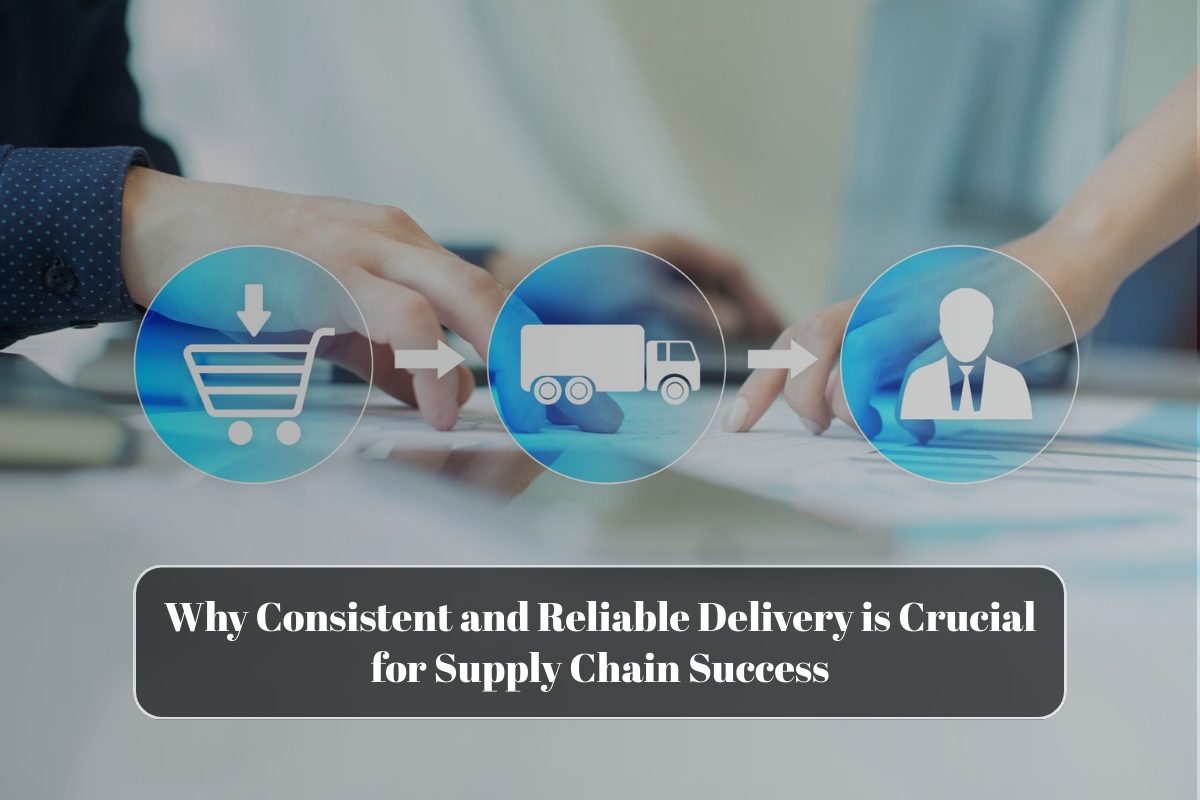
Just-in-Time (JIT) inventory systems have transformed the way companies manage stock, cut costs, and boost efficiency. But none of it works without a strong transportation backbone. In fact, transportation is the unsung hero of every JIT success story.
Here’s a simple guide to understanding the role of transportation in supporting Just-in-Time inventory systems, how it works, and why it matters.
What Is Just-In-Time Inventory?
Just-in-Time (JIT) is an inventory strategy where materials and products are delivered exactly when they’re needed—not earlier, not later. The main goal is to:
- Reduce storage costs
- Minimize waste
- Improve efficiency in production or sales
But this lean method also means there’s very little room for error. Any delay in supply can stop production or delay deliveries to customers. That’s where transportation comes in.
Why Transportation Is Critical to JIT Success
Transportation in JIT is more than just moving goods from Point A to Point B—it’s about timing, reliability, and coordination.
1. On-Time Delivery
For JIT to work, shipments must arrive just in time. If transportation is late:
- Production lines stop
- Customer orders are delayed
- Business loses money and trust
Reliable carriers, efficient routing, and accurate tracking systems are a must.
2. Reduced Storage Needs
Because goods are delivered only when needed, there’s less need for large warehouses. Transportation takes over that responsibility by:
- Acting as a moving warehouse
- Managing supply flows in real time
- Supporting smaller and more frequent deliveries
3. Flexibility in Supply Chain
A good transportation system provides the agility to adjust shipments based on:
- Demand changes
- Production schedules
- Unexpected disruptions
Transport partners who can scale or adapt quickly are vital in a JIT setup.
4. Technology and Tracking
Modern JIT systems rely heavily on real-time data. Transportation plays a key role through:
- GPS and route tracking
- Electronic Data Interchange (EDI)
- Automated alerts for delays or issues
This gives managers visibility and control over inventory movement.
5. Global and Local Coordination
With many supply chains spread across countries, transportation must handle both:
- Long-haul international freight (by air or sea)
- Last-mile delivery (to factories or retail shelves)
Both need to be in sync to keep the JIT system running smoothly.
Challenges in JIT Transportation
While transportation powers JIT, it also brings certain risks:
| Challenge | Impact |
|---|---|
| Weather disruptions | Delays in delivery |
| Strikes or port congestion | Halt in supply chain |
| Rising fuel costs | Increased transport expenses |
| Traffic or road closures | Missed delivery windows |
| Geopolitical tensions | Affect global shipping and sourcing |
To manage these risks, companies often use:
- Multiple carriers and logistics partners
- Local suppliers to reduce dependency on distant sources
- Buffer strategies like safety stock for critical items
Best Practices for Transportation in JIT Systems
To make transportation a strong pillar of your JIT system, consider these tips:
- Choose reliable logistics partners with a proven track record.
- Invest in tracking and communication tools for real-time visibility.
- Develop backup plans for emergencies or delays.
- Use data analytics to forecast demand and align transportation schedules.
- Optimize routes to save time and reduce fuel use.
Transportation is the engine that keeps Just-in-Time inventory running. Without fast, reliable, and responsive transport, JIT systems can’t deliver on their promise of lean efficiency and reduced costs.
As businesses look for smarter ways to streamline operations, having a strong transportation strategy isn’t optional—it’s essential. With the right mix of planning, technology, and logistics support, companies can unlock the full power of JIT.