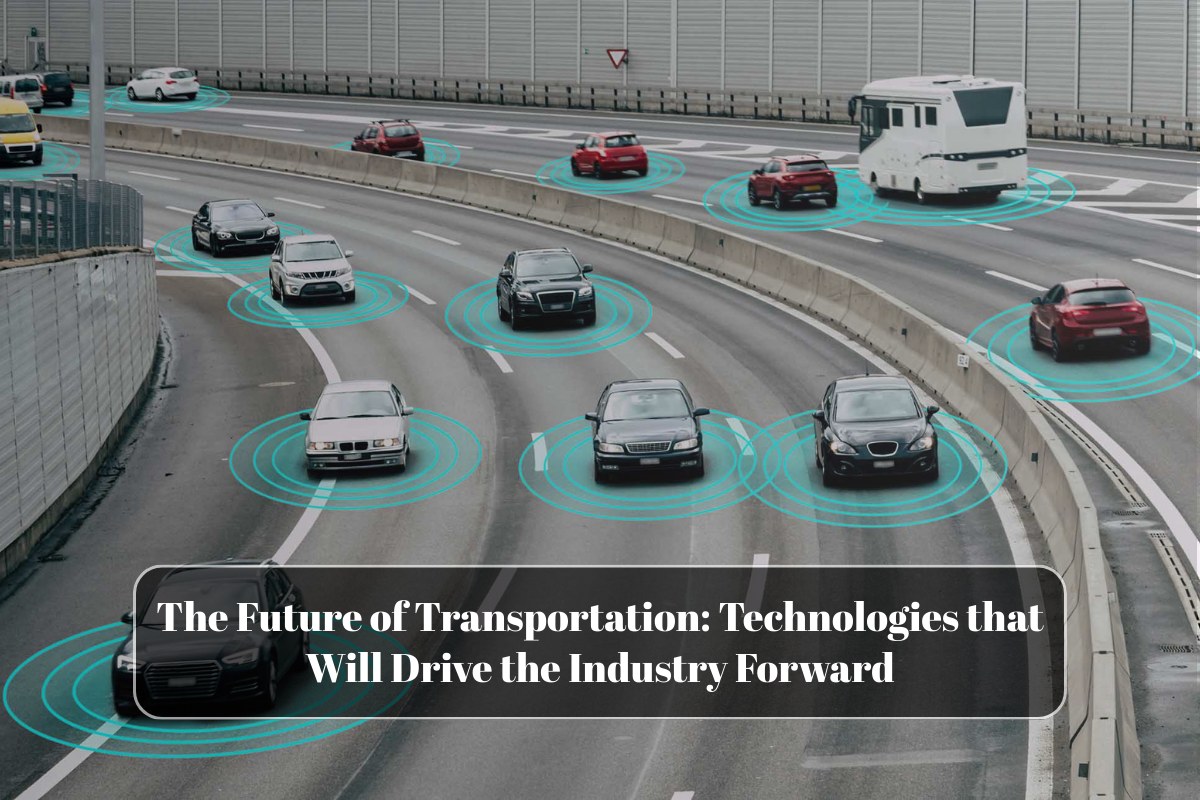
The transportation industry is undergoing one of the most significant transformations in its history. Driven by rapid technological innovation, environmental concerns, and changing consumer expectations, the future of transportation is being reshaped across road, rail, air, and sea.
Emerging technologies are not only improving how people and goods move but are also redefining safety, efficiency, sustainability, and connectivity. Understanding these trends is essential for anticipating how transportation systems will evolve in the coming decades.
Electrification and the Shift Away From Fossil Fuels
Electrification is at the core of the transportation future. Electric vehicles are becoming more affordable, efficient, and widely adopted as battery technology improves and charging infrastructure expands.
This shift reduces greenhouse gas emissions, lowers operating costs, and decreases reliance on fossil fuels. Beyond passenger cars, electrification is extending to buses, delivery fleets, rail systems, and even short-distance maritime transport, signaling a broad transition toward cleaner mobility.
Autonomous and Self-Driving Technologies
Autonomous vehicle technology promises to fundamentally change how transportation systems operate. Advanced sensors, artificial intelligence, and real-time data processing enable vehicles to navigate with minimal or no human input.
These systems have the potential to significantly reduce accidents caused by human error, improve traffic flow, and increase accessibility for individuals unable to drive. While full autonomy is still developing, incremental automation features are already improving safety and efficiency across the industry.
Smart Transportation and Connected Infrastructure
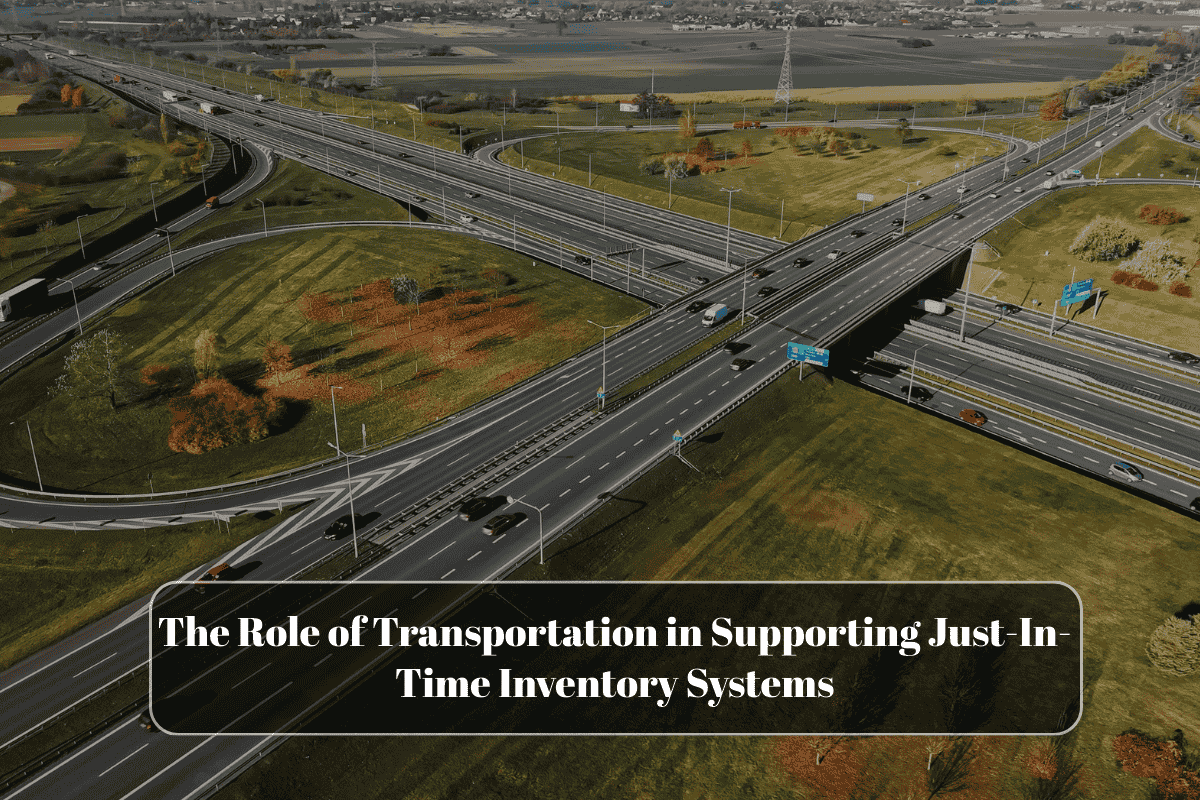
The future of transportation is increasingly connected. Smart transportation systems integrate vehicles, infrastructure, and digital platforms to optimize movement and reduce congestion. Connected traffic signals, real-time navigation systems, and vehicle-to-infrastructure communication allow cities to manage traffic more dynamically.
This connectivity enhances efficiency, reduces fuel consumption, and improves the overall travel experience for both passengers and freight operators.
Artificial Intelligence and Data-Driven Mobility
Artificial intelligence plays a growing role in transportation planning and operations. AI-powered analytics help predict traffic patterns, optimize routes, and improve fleet management.
In logistics, intelligent systems enhance demand forecasting, warehouse coordination, and delivery scheduling. Data-driven decision-making enables transportation providers to respond faster to disruptions, reduce costs, and deliver more reliable services.
Urban Air Mobility and New Transport Modes
Emerging modes of transportation are expanding beyond traditional ground-based systems. Urban air mobility concepts, including electric vertical takeoff and landing aircraft, aim to reduce congestion in densely populated cities.
While still in early stages, these technologies could transform short-distance travel, emergency response, and cargo delivery. Similarly, advancements in high-speed rail and magnetic levitation systems promise faster and more efficient long-distance travel.
Sustainability and Environmental Innovation
Sustainability is a central driver of transportation innovation. Beyond electrification, the industry is exploring alternative fuels such as hydrogen, biofuels, and synthetic fuels to reduce environmental impact.
Lightweight materials, aerodynamic design, and energy-efficient systems further improve performance while minimizing resource use. Transportation technologies are increasingly evaluated not just on speed or cost, but on their contribution to long-term environmental goals.
Automation in Freight and Logistics
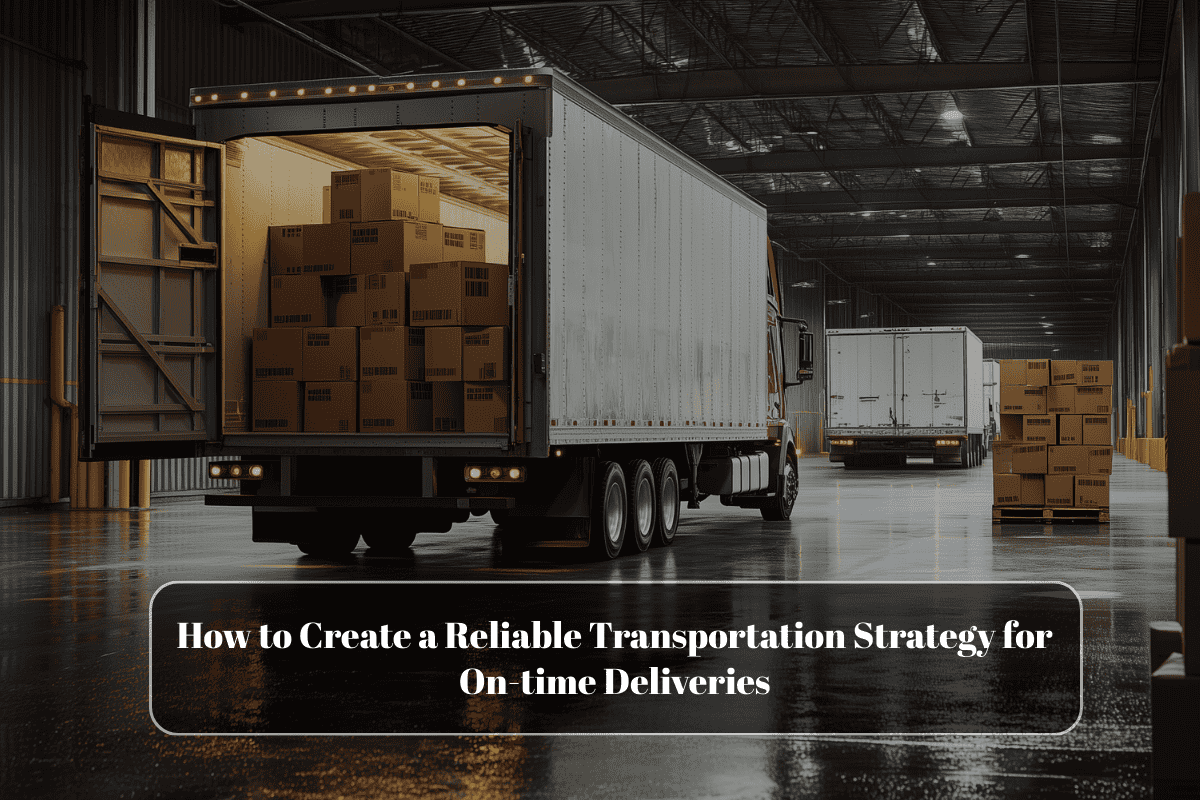
Freight transportation is also being transformed by automation and digitalization. Autonomous trucks, drone deliveries, and automated ports are improving efficiency and reducing labor-intensive processes.
Advanced tracking and monitoring systems provide greater visibility and security for cargo. These innovations support faster, more reliable supply chains and enable global trade to operate with greater precision and resilience.
Challenges and Considerations
Despite rapid progress, the future of transportation faces challenges. Regulatory frameworks, infrastructure readiness, cybersecurity risks, and public trust all influence the pace of adoption.
Ensuring equitable access to new technologies and managing workforce transitions are also critical considerations. Addressing these challenges requires collaboration between governments, industry leaders, and technology developers.
FAQs
What technology will have the biggest impact on transportation?
Electrification and autonomous systems are expected to have the most far-reaching impact due to their influence on safety, sustainability, and efficiency.
Will autonomous vehicles replace human drivers completely?
Full replacement is unlikely in the near term; instead, human drivers and automated systems will coexist as technology and regulations evolve.
How does smart transportation improve daily travel?
It reduces congestion, improves traffic flow, and provides real-time information that helps travelers make better decisions.
Is future transportation more environmentally friendly?
Yes, most emerging technologies prioritize reducing emissions, improving energy efficiency, and supporting sustainability goals.
What challenges could slow transportation innovation?
Regulatory barriers, infrastructure limitations, cybersecurity concerns, and public acceptance are key challenges that must be addressed.