Fleet operations are the backbone of many industries, from logistics and construction to public transportation and emergency services. The reliability and safety of a fleet directly affect productivity, costs, and public trust.
Preventive maintenance is one of the most effective strategies for keeping fleet vehicles operating safely and consistently. Rather than reacting to breakdowns, preventive maintenance focuses on identifying and addressing issues before they escalate into failures.
What Is Preventive Maintenance in Fleet Operations?
Preventive maintenance involves scheduled inspections, servicing, and part replacements based on time, mileage, or usage. This approach is designed to maintain vehicles in optimal condition and reduce the likelihood of unexpected breakdowns.
Typical preventive maintenance tasks include oil changes, brake inspections, tire checks, fluid replacements, filter changes, and system diagnostics. These routine actions form the foundation of a reliable fleet maintenance program.
Improving Vehicle Reliability and Uptime
Unexpected vehicle failures can disrupt schedules, delay deliveries, and increase operational costs. Preventive maintenance significantly reduces these disruptions by catching wear and tear early.
When components are inspected and serviced regularly, minor issues—such as worn belts or low fluid levels—are resolved before they cause system-wide failures. This proactive approach increases vehicle uptime and ensures fleets can meet operational demands consistently.
Enhancing Driver and Public Safety
Safety is a critical priority in fleet operations. Mechanical failures such as brake malfunctions, tire blowouts, or steering issues can lead to serious accidents.
Preventive maintenance ensures that safety-critical systems are regularly inspected and maintained. Properly functioning brakes, tires, lights, and suspension systems reduce accident risk and protect both drivers and the public. A well-maintained fleet also boosts driver confidence and morale, contributing to safer driving behavior.
Extending Vehicle Lifespan
Fleet vehicles represent a significant financial investment. Preventive maintenance helps protect that investment by extending vehicle lifespan.
Regular servicing reduces excessive strain on engines, transmissions, and other major components. By keeping systems clean, lubricated, and properly adjusted, fleets can delay costly replacements and maximize the usable life of each vehicle.
Reducing Long-Term Maintenance Costs
While preventive maintenance requires consistent investment, it is far more cost-effective than reactive repairs. Emergency breakdowns often involve towing, downtime, expedited parts, and higher labor costs.
Preventive maintenance spreads costs predictably over time and avoids expensive, catastrophic failures. This approach improves budget control and reduces total cost of ownership across the fleet.
Supporting Regulatory Compliance
Many fleet operators must comply with safety and maintenance regulations. Preventive maintenance programs help ensure vehicles meet inspection standards and documentation requirements.
Consistent maintenance records demonstrate due diligence and reduce the risk of fines, penalties, or vehicle downtime due to non-compliance. Regulatory compliance also reinforces a company’s commitment to safety and professionalism.
Improving Fuel Efficiency and Environmental Performance
Poorly maintained vehicles consume more fuel due to inefficient engines, underinflated tires, or clogged filters. Preventive maintenance keeps vehicles operating efficiently, reducing fuel consumption and emissions.
Improved efficiency lowers operating costs and supports environmental sustainability goals. For organizations with large fleets, these savings and environmental benefits can be substantial over time.
Enabling Data-Driven Fleet Management
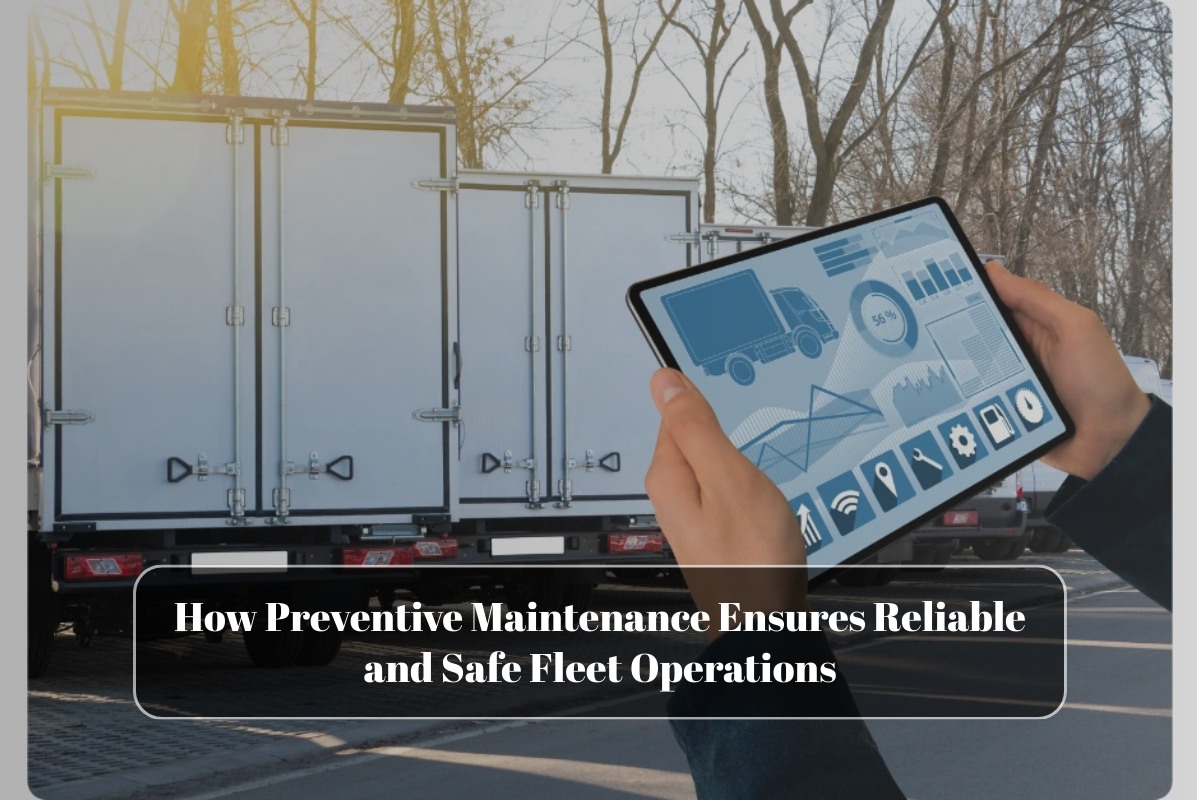
Modern preventive maintenance programs often integrate digital tracking and diagnostics. Maintenance schedules, vehicle performance data, and service history can be monitored in real time.
This data-driven approach allows fleet managers to identify trends, optimize service intervals, and make informed decisions about vehicle replacement or upgrades. Better insights lead to smarter, safer fleet operations.
Building a Culture of Accountability and Care
Preventive maintenance fosters a culture of responsibility across fleet operations. Drivers become more aware of vehicle condition, while maintenance teams focus on long-term performance rather than crisis response.
This shared accountability improves communication, reduces risk, and strengthens overall operational discipline.
FAQs
What is the main goal of preventive maintenance in fleets?
The main goal is to prevent breakdowns, improve safety, and maintain consistent vehicle performance.
How often should fleet vehicles undergo preventive maintenance?
Intervals vary based on vehicle type, usage, and manufacturer guidelines, but regular mileage- or time-based schedules are essential.
Does preventive maintenance really reduce costs?
Yes. It minimizes expensive emergency repairs, reduces downtime, and extends vehicle lifespan.
How does preventive maintenance improve safety?
It ensures critical systems like brakes, tires, and steering are inspected and functioning properly, reducing accident risk.
Is preventive maintenance important for small fleets as well?
Absolutely. Even small fleets benefit from improved reliability, lower costs, and safer operations.