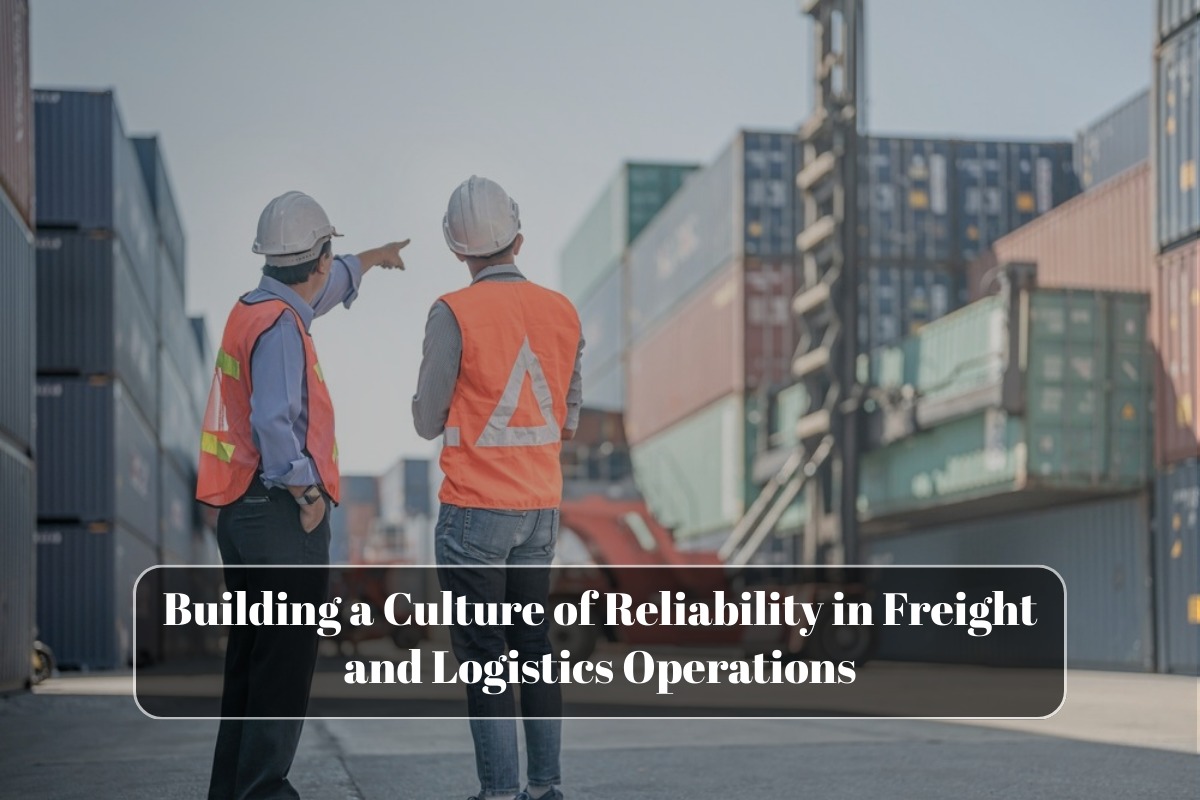
Building a culture of reliability in freight and logistics operations transforms U.S. businesses into resilient powerhouses, where trucking moves 72% of the nation’s freight amid chronic shortages and disruptions. This mindset embeds accountability across teams, slashing delays that cost the industry $1.8 trillion yearly. Leaders foster it through training, tech, and incentives, yielding on-time rates above 95% for top performers.
Leadership Commitment from the Top
Executives model reliability by tying KPIs to bonuses, prioritizing on-time delivery over short-term savings in volatile spot markets. Regular town halls reinforce the vision, sharing wins like reduced detention fees through better dock scheduling. This cascades down, aligning dispatchers, drivers, and warehouse crews in a $940 billion sector facing 80,000 driver gaps.
Comprehensive Training Programs
Ongoing education on FMCSA rules, ELD use, and defensive driving builds skilled teams, cutting violations that sideline rigs. Cross-training equips staff for multi-roles, handling peaks without overtime spikes. Simulation tools prepare for scenarios like I-95 congestion, embedding proactive habits nationwide.
Technology for Seamless Visibility
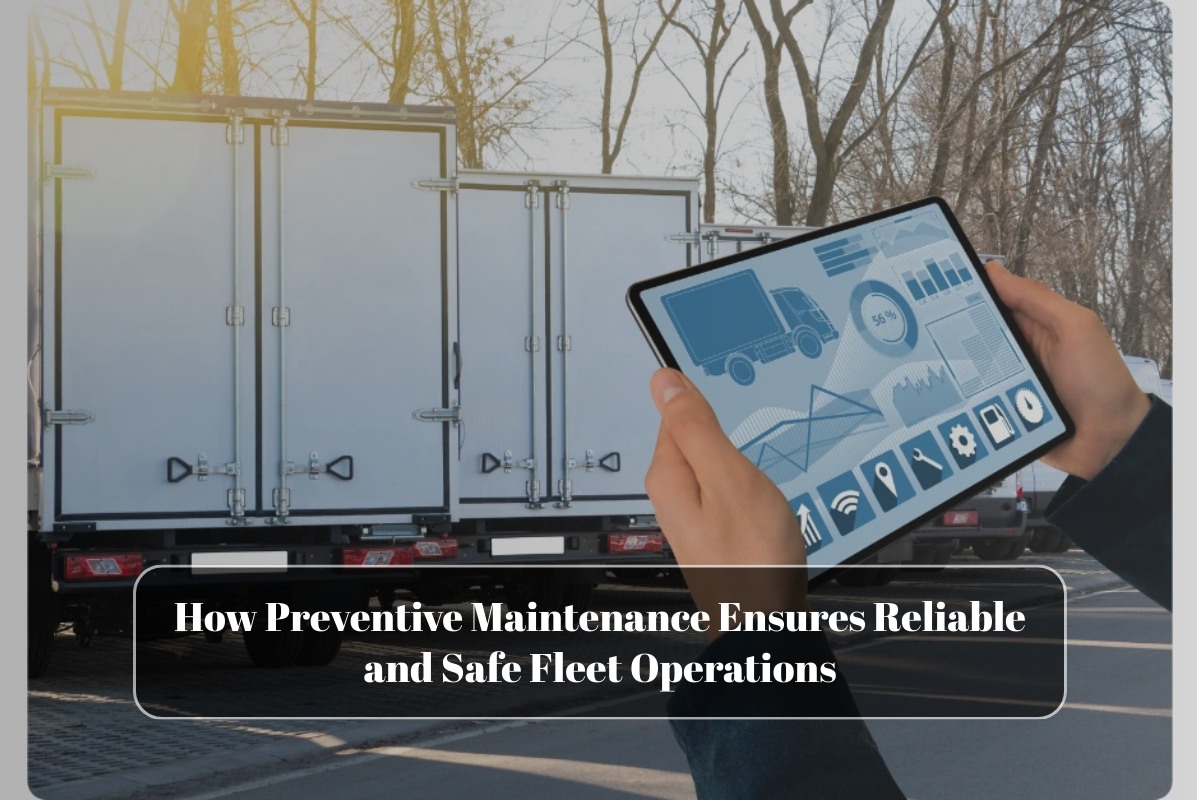
Dashboards unify real-time tracking, ETAs, and alerts, empowering quick reroutes around weather or breakdowns. IoT sensors monitor reefer temps and loads, preventing claims that erode trust. Adopted by 70% of efficient carriers, these tools foster data-driven decisions across 50 states.
Performance Metrics and Accountability
Dashboards track on-time percentages, detention hours, and BASIC scores, with weekly reviews spotting trends early. Peer recognition rewards zero-incident runs, while coaching addresses lapses without blame. This merit-based system boosts retention in an aging workforce averaging 46 years old.
Collaborative Vendor Partnerships
Vetting carriers via FMCSA SMS and joint planning ensures mutual reliability, with scorecards guiding payments. Shared platforms sync capacities during surges, turning suppliers into extensions of operations. Long-term contracts incentivize consistency, mitigating risks from port backups or strikes.
Continuous Improvement Feedback Loops
Post-shipment debriefs capture lessons, feeding into agile processes under Bipartisan Infrastructure Law upgrades. Employee suggestion portals drive innovations like consolidated loads, cutting empty miles by 20%. Annual audits refine culture, adapting to e-commerce demands and sustainability pushes.
A reliability culture turns freight challenges into strengths, securing competitive edges for American logistics leaders.
FAQ
Q. Why start reliability with leadership?
Executives set KPIs linking bonuses to on-time metrics, aligning teams in shortage-plagued markets.
Q. How does training embed reliability?
Programs on FMCSA compliance and simulations build skills, reducing violations across U.S. highways.
Q. What tech supports cultural shifts?
Real-time dashboards and IoT enable proactive fixes, boosting visibility for 70% of top carriers.
Q. Why use metrics for accountability?
Tracking detention and BASICs with rewards retains talent in a 46-year-old workforce.
Q. How do vendor ties strengthen culture?
Scorecards and shared platforms ensure consistent capacity amid disruptions.