In the transportation and logistics industry, trust is a cornerstone of building lasting customer relationships. For businesses, whether they are delivering products to consumers or transporting goods between locations, timely and reliable delivery is not just a service—it’s a promise.
Customers and partners alike rely on timely deliveries for their satisfaction, operational efficiency, and business success. When this promise is fulfilled consistently, trust is built, leading to long-term customer loyalty and repeat business.
However, achieving this level of reliability requires more than just efficient processes; it requires a strategic approach to service quality, transparency, and communication. In this article, we will explore how businesses in the transportation sector can build trust through reliable and timely delivery services, the key components of successful logistics management, and the strategies to enhance customer satisfaction.
1. Ensuring Timely Deliveries through Operational Efficiency
Timely delivery is one of the most fundamental aspects of trust in the transportation industry. Late deliveries not only create customer dissatisfaction but also damage a company’s reputation. Operational efficiency, which encompasses everything from route planning to inventory management, plays a pivotal role in ensuring timely deliveries.
Key Strategies for Timely Deliveries:
- Route Optimization: Using technology like GPS tracking and route optimization software helps ensure that drivers take the fastest, most efficient routes, reducing delays and fuel consumption.
- Predictive Analytics: Implementing predictive analytics allows businesses to anticipate potential disruptions (e.g., weather, traffic, or system failures) and make adjustments in real-time to keep deliveries on schedule.
- Effective Inventory Management: By implementing just-in-time (JIT) or other modern inventory management strategies, businesses can ensure that products are available and ready to be shipped on time.
- Real-Time Tracking: Offering real-time tracking to customers provides transparency and peace of mind, allowing them to stay informed about the status of their deliveries.
Benefits:
- Reduced Delays: Advanced planning and technology minimize the risk of unexpected delays, ensuring that deliveries arrive on time.
- Enhanced Operational Control: Real-time data and analytics provide control over every aspect of the supply chain, making it easier to address potential delays before they become problems.
- Customer Satisfaction: Reliable and on-time delivery fosters trust with customers, who can count on your service to meet their expectations consistently.
2. Effective Communication and Transparency
Transparent communication is essential for building trust. Customers should feel that they are well-informed throughout the delivery process, from order confirmation to final delivery. Providing timely updates about any changes, such as delays, helps manage customer expectations and demonstrates reliability.
How to Implement Effective Communication:
- Automated Updates: Implement automated notifications that inform customers about their order status, including shipment tracking, estimated delivery time, and potential delays.
- Proactive Communication: In the event of delays or issues, proactively communicate with customers, explaining the situation and offering alternatives, such as rescheduling the delivery or providing compensation.
- 24/7 Customer Support: Having a dedicated customer support team available to respond to inquiries, address concerns, and resolve problems ensures that customers feel supported at every stage of the delivery process.
- Feedback Loops: Encourage customers to provide feedback after delivery. This allows you to gauge satisfaction, identify areas for improvement, and continue to build customer loyalty.
Benefits:
- Enhanced Customer Trust: Transparency in communication ensures customers feel informed and valued, reinforcing trust.
- Better Customer Experience: Proactive updates and consistent communication improve the overall customer experience, turning potential frustrations into positive experiences.
- Improved Problem Resolution: Timely communication allows businesses to resolve issues more effectively, reducing negative customer impact.
3. Building Reliability Through Consistency
Reliability in the transportation sector goes beyond delivering on time; it’s about consistently meeting or exceeding customer expectations with each interaction. The more consistently a business delivers high-quality service, the stronger the trust it builds over time.
How to Achieve Consistency:
- Standardized Processes: Create and implement standard operating procedures (SOPs) across all stages of the delivery process. These procedures ensure consistency in how services are delivered, regardless of the delivery team or location.
- Quality Assurance Programs: Regularly audit and monitor your delivery operations to identify areas of improvement. Consistently high performance should be a goal, from driver training to packaging quality.
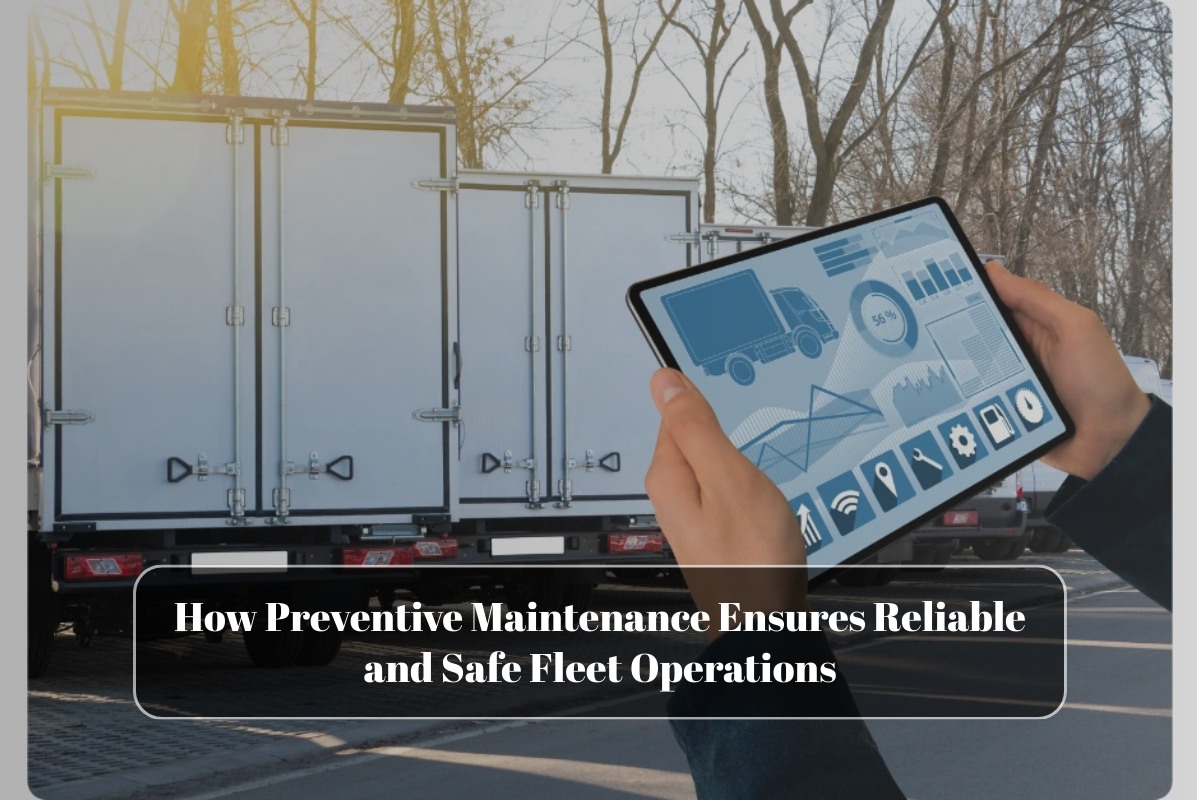
- Maintain Equipment and Vehicles: Regular maintenance and checks on delivery vehicles and equipment ensure that operations run smoothly, minimizing disruptions or delays caused by faulty equipment.
Benefits:
- Trust Through Reliability: Consistency builds trust over time. When customers know they can rely on your business for consistent, high-quality service, they are more likely to remain loyal.
- Improved Brand Reputation: Businesses that maintain high levels of service quality become known for their reliability, which leads to positive word-of-mouth marketing and brand loyalty.
- Operational Efficiency: A consistent approach to operations reduces the likelihood of errors, inefficiencies, or disruptions that can negatively impact delivery times and quality.
4. Utilizing Technology for Enhanced Efficiency
In today’s digital age, technology plays an essential role in optimizing delivery services and improving customer trust. From automated scheduling and real-time tracking to artificial intelligence (AI)-driven route optimization, technological tools can streamline operations and enhance service reliability.
Key Technologies to Consider:
- Transportation Management Systems (TMS): A TMS allows businesses to manage and optimize their transportation networks, improving route efficiency, reducing costs, and ensuring timely deliveries.
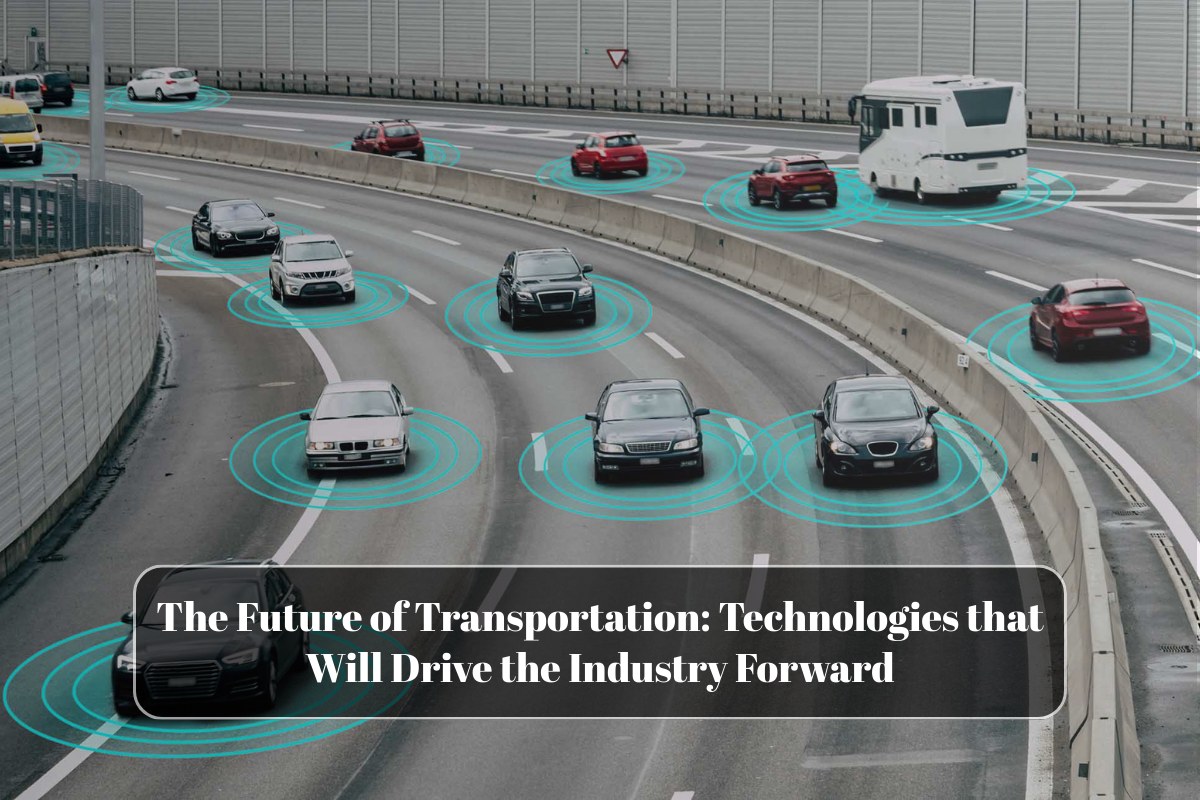
- Internet of Things (IoT): IoT sensors placed on vehicles and shipments provide real-time data about the location, condition, and estimated arrival times of deliveries. This information can be used to prevent delays and ensure reliability.
- AI and Machine Learning: AI can predict delays, optimize routes based on real-time traffic data, and provide data-driven insights that improve decision-making and operational efficiency.
- Mobile Apps for Drivers: Providing drivers with mobile applications for route navigation, updates, and direct communication with dispatchers improves operational efficiency and communication during the delivery process.
Benefits:
- Faster Decision-Making: Technology enables faster decision-making by providing real-time data, allowing businesses to respond quickly to issues that may affect delivery times.
- Cost Efficiency: Automating scheduling, route planning, and communication reduces operational costs and minimizes human error, ultimately improving delivery times and service quality.
- Improved Accuracy: With real-time data and tracking, businesses can ensure that deliveries are accurate, reducing the likelihood of errors or misunderstandings.
5. Maintaining Flexibility and Adaptability
While consistency and reliability are essential, businesses must also remain flexible in response to unexpected challenges. The ability to adapt to changes in the market, customer preferences, or external factors (such as weather disruptions or supply chain delays) is vital for maintaining trust.
How to Maintain Flexibility:
- Flexible Delivery Options: Offer customers multiple delivery options, such as same-day, next-day, or scheduled delivery, to cater to different needs and preferences.
- Contingency Plans: Develop contingency plans for disruptions (e.g., traffic, natural disasters, or vehicle breakdowns). Having a plan in place allows businesses to quickly pivot and minimize delivery delays.
- Customer-Centric Approach: Be willing to adjust delivery schedules or processes to meet customer needs. Whether it’s changing a delivery time or providing an alternative solution, demonstrating flexibility enhances customer trust.
Benefits:
- Increased Customer Satisfaction: A flexible approach to customer service ensures that businesses can accommodate customer preferences and expectations, improving satisfaction.
- Resilience in the Face of Disruptions: Flexibility allows businesses to quickly adapt to unforeseen challenges, ensuring that deliveries remain on track even when conditions change.
- Stronger Customer Relationships: Demonstrating adaptability builds goodwill and strengthens relationships with customers, who appreciate businesses that go the extra mile to meet their needs.
Building trust through reliable and timely delivery services is essential for businesses in the transportation and logistics sector. By focusing on operational efficiency, transparent communication, consistency, leveraging technology, and maintaining flexibility, companies can create a customer experience that fosters trust and loyalty.
The ability to deliver on time, communicate effectively, and adapt to changing circumstances without compromising service quality builds a solid reputation. This reputation, in turn, leads to repeat customers, positive word-of-mouth referrals, and long-term success in an increasingly competitive market.
FAQs
How can I ensure on-time deliveries in my transportation business?
To ensure on-time deliveries, implement route optimization, use real-time tracking systems, and maintain effective communication with customers about delivery windows. Additionally, always have contingency plans in place for unexpected disruptions.
What role does communication play in building trust with customers?
Clear and proactive communication helps manage customer expectations and builds trust. Offering updates on delivery progress, informing customers about any delays, and providing support when needed are key to ensuring a positive experience.
What are the benefits of using technology in delivery management?
Technology, such as transportation management systems, IoT sensors, and AI-driven tools, enables real-time data tracking, better route optimization, and faster decision-making. These benefits improve operational efficiency, reduce costs, and enhance reliability.
How can I maintain flexibility without disrupting operations?
You can maintain flexibility by offering multiple delivery options, planning for contingencies, and prioritizing customer needs without sacrificing core operational processes. Ensuring your team is trained to handle different scenarios allows for adaptable but efficient operations.
What should I do if a delivery is delayed?
If a delivery is delayed, proactively communicate with the customer, explaining the situation and offering solutions such as rescheduling, tracking updates, or compensation. Transparency and quick resolution help maintain customer trust.