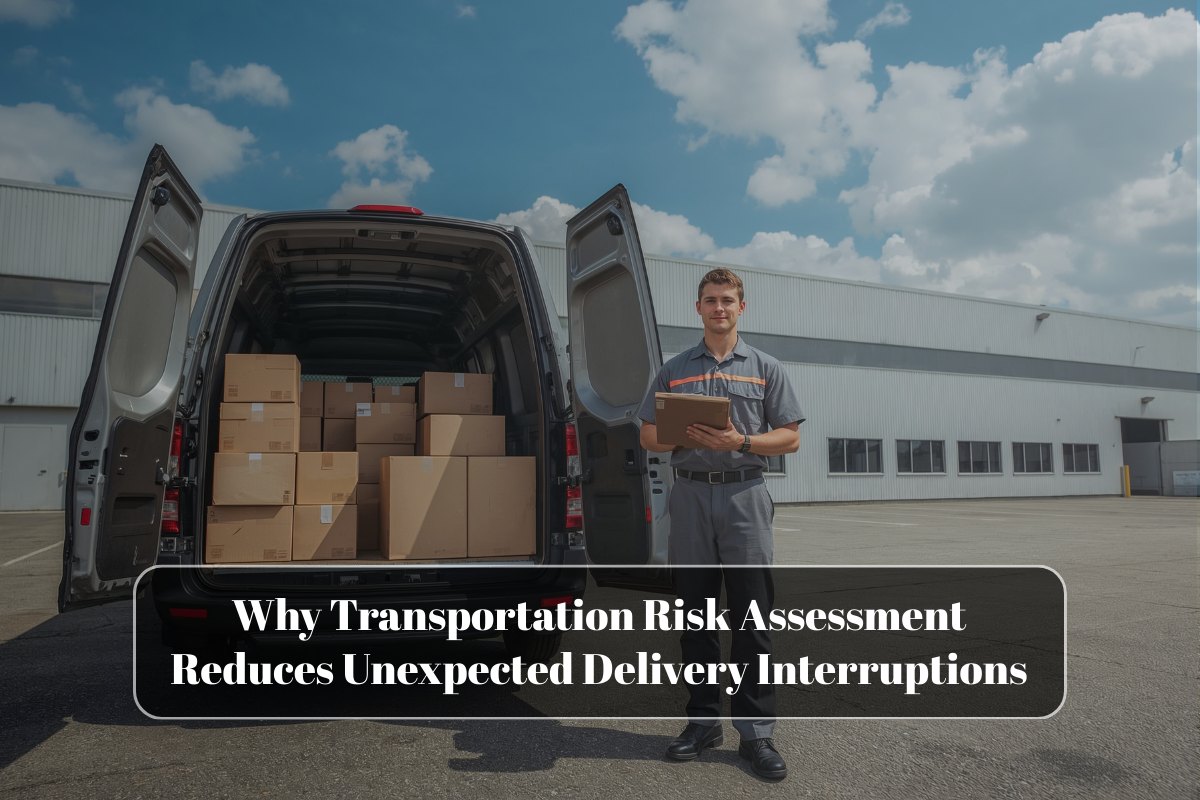
Transportation risk assessment reduces unexpected delivery interruptions by identifying threats before they occur, prioritizing them, and putting controls in place to keep freight moving ...
Transportation planning in the USA optimizes fleet operations, cutting unplanned downtime by 20-50% through predictive strategies and boosting equipment utilization rates to 85-95%. U.S. ...
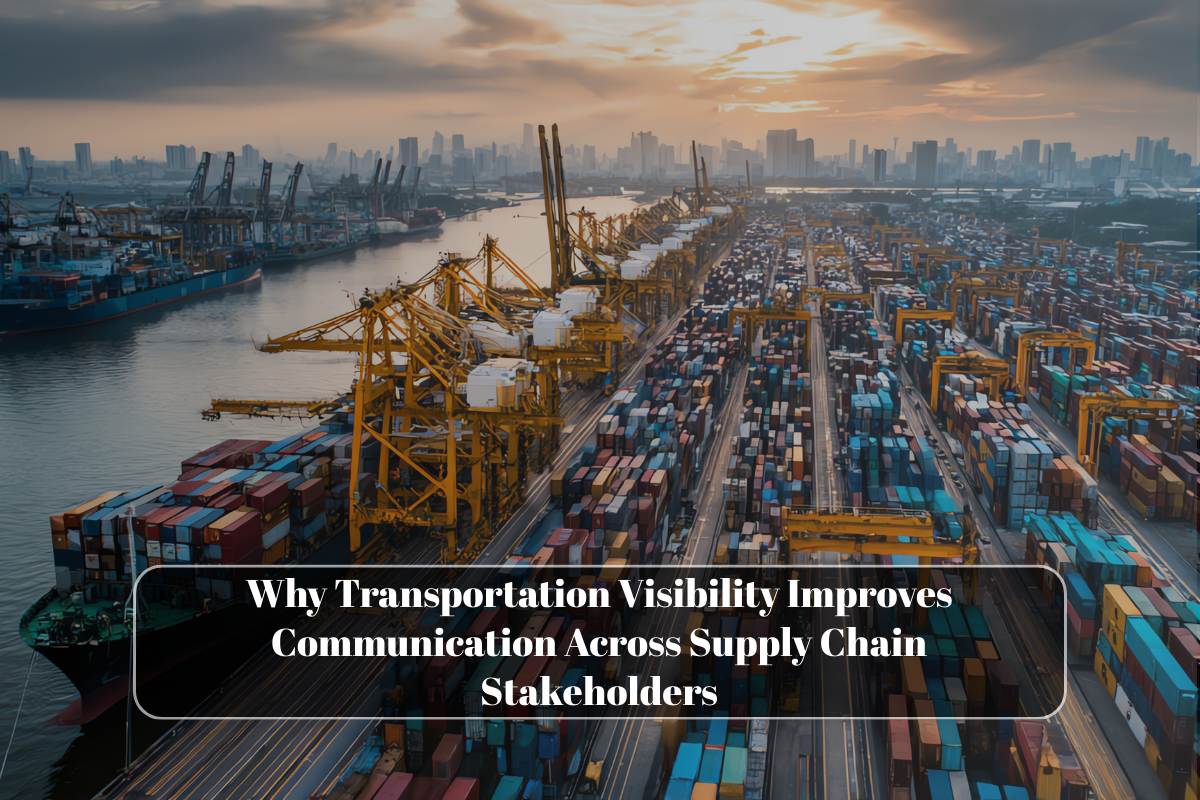
Transportation visibility provides real-time tracking and data sharing across shipments, enabling seamless communication among suppliers, carriers, shippers, and customers via unified platforms that reduce ...
Transportation compliance ensures freight carriers adhere to federal, state, and local regulations, creating predictable operations that minimize disruptions and legal risks across U.S. highways. ...
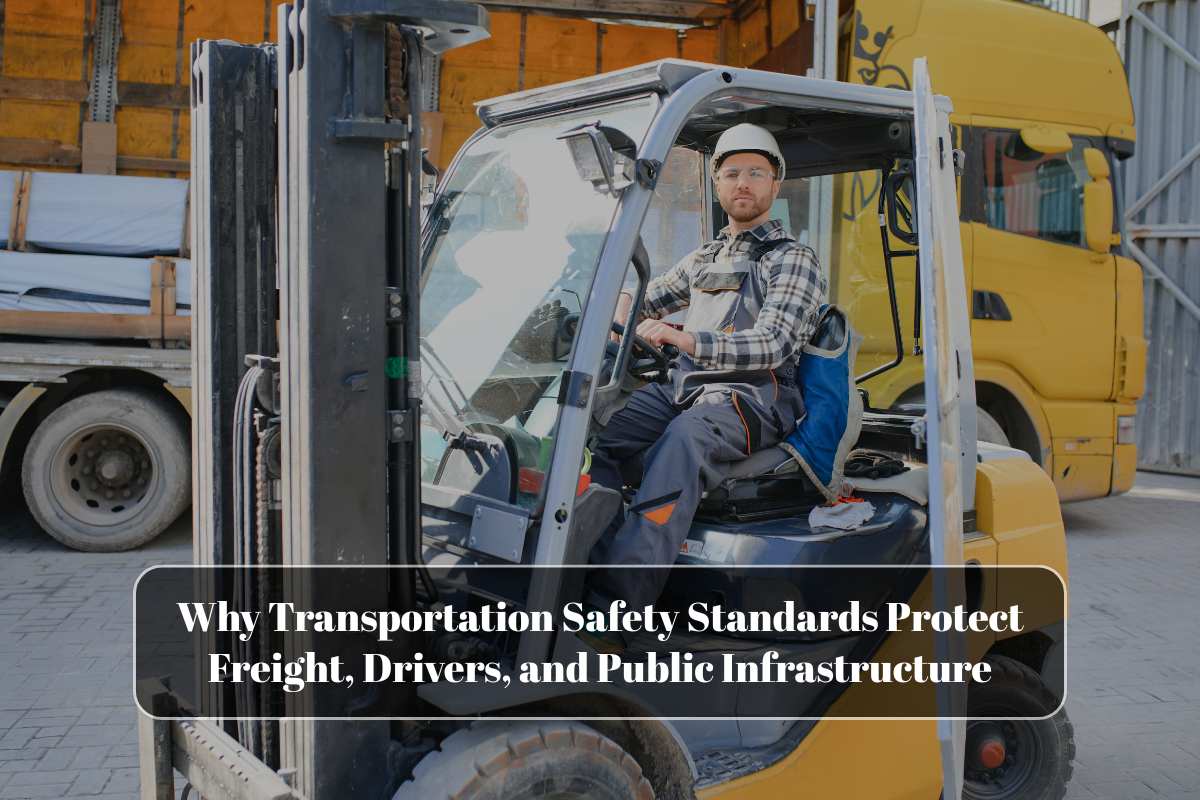
Transportation safety standards, enforced by FMCSA and DOT, safeguard freight integrity, driver lives, and public infrastructure by mandating inspections, training, and compliance that prevent ...
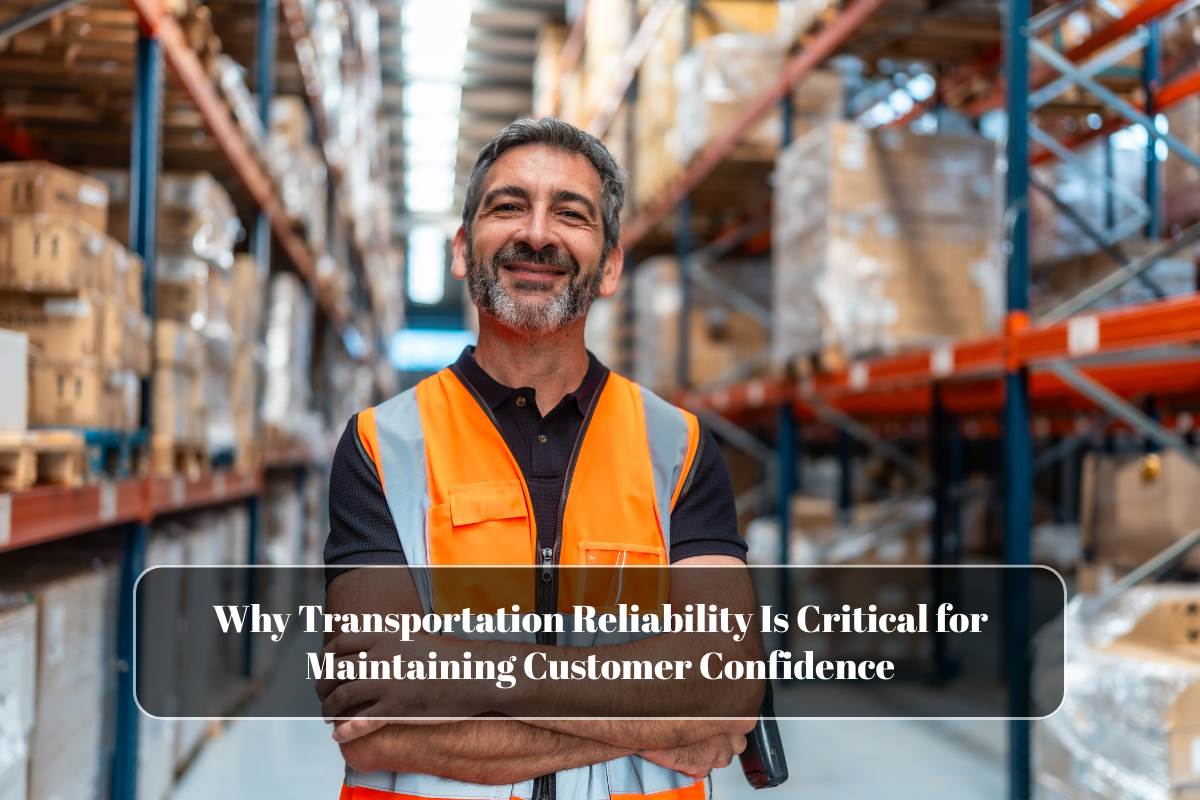
Transportation reliability—measured by on-time performance (OTP), minimal delays, and consistent service—directly sustains customer confidence in the USA, where 63% of transit riders prioritize safety ...
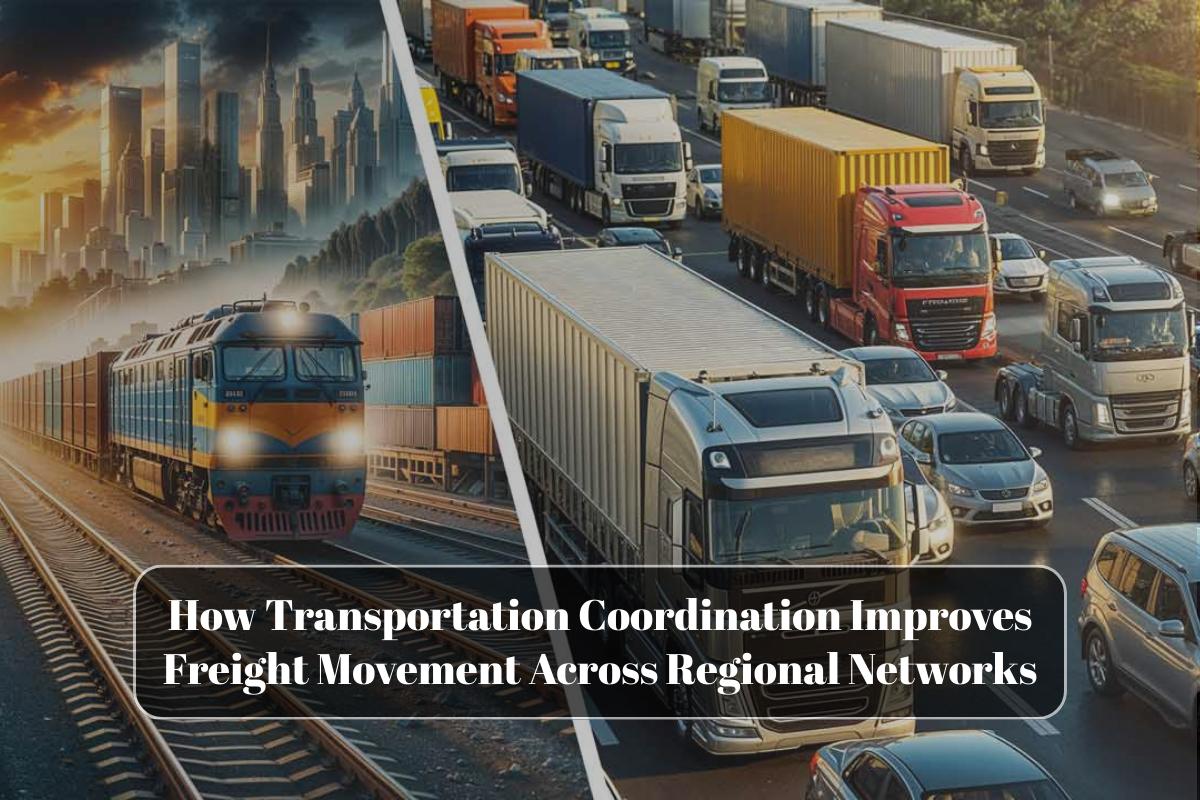
Transportation coordination synchronizes road, rail, water, and air modes via shared platforms and policies, slashing delays, costs, and emissions in regional freight flows. This ...
Transportation route optimization uses AI algorithms, GPS, and real-time data to plan efficient paths for trucks, fleets, and deliveries, slashing unnecessary miles in the ...
Transportation scheduling optimizes fleet deployment, routes, and timelines using software like TMS, reducing delays by 20-30% and boosting on-time delivery (OTD) to 94-97% in ...
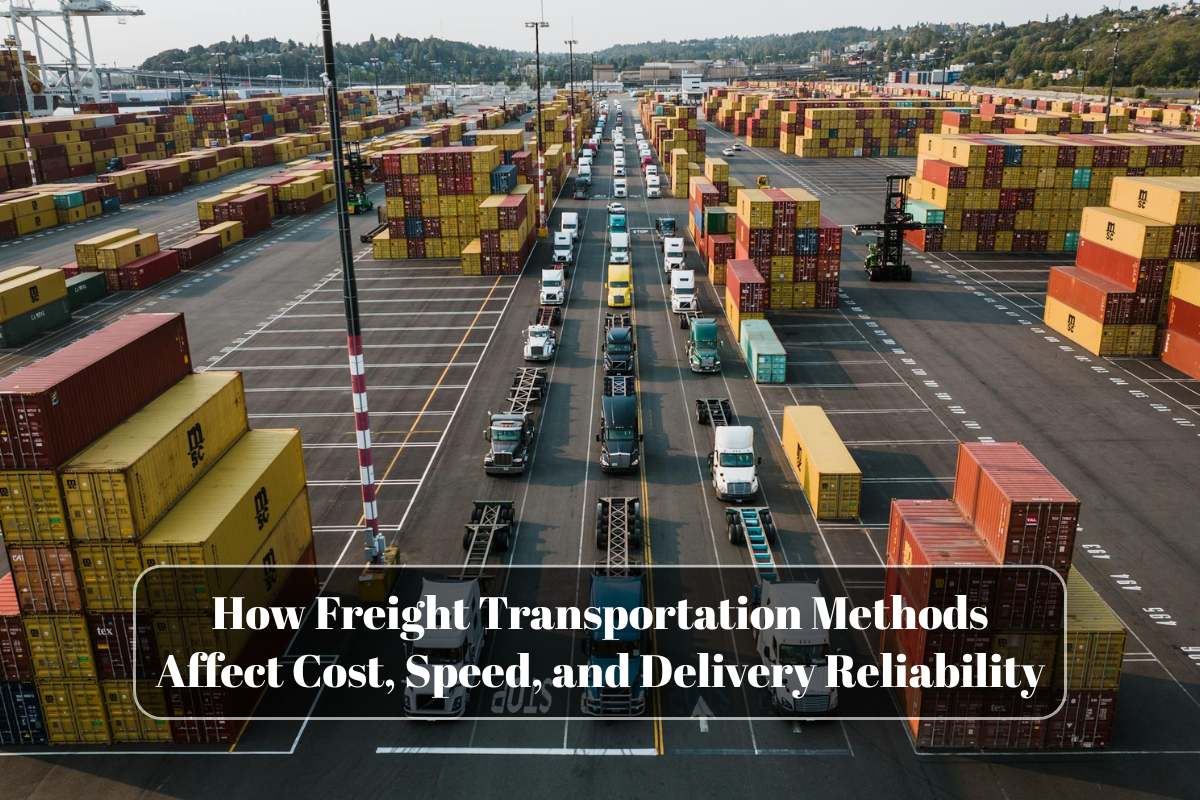
Freight transportation methods shape U.S. supply chains by balancing cost, speed, and reliability, with trucking dominating 72% of domestic freight valued at $940 billion ...