Transportation compliance ensures freight carriers adhere to federal, state, and local regulations, creating predictable operations that minimize disruptions and legal risks across U.S. highways. In a sector where trucking handles over 70% of domestic freight, FMCSA and DOT rules like Hours of Service (HOS) and vehicle inspections prevent accidents, fines exceeding $175,000 per violation, and operational shutdowns. This framework supports consistent deliveries while safeguarding drivers, cargo, and supply chains.
Core Regulatory Framework
FMCSA regulations under 49 CFR Parts 300–399 govern commercial motor vehicles (CMVs) over 10,001 pounds, including HOS limits of 11 driving hours in a 14-hour window and mandatory 10-hour off-duty rest periods. Electronic Logging Devices (ELDs) enforce these electronically, reducing fatigue-related crashes that factor into 13% of incidents.
Driver qualification files require CDL verification, medical certificates, drug testing, and background checks, while vehicles undergo daily Driver Vehicle Inspection Reports (DVIRs) and annual maintenance.
Hazardous materials shipments demand PHMSA classification, placarding, and TSA-vetted training every three years, with violations carrying civil and criminal penalties. Compliance with these standards maintains low SMS BASIC scores—under 65% for crash indicators—avoiding FMCSA interventions and preserving operating authority.
Enhancing Operational Consistency
Compliance streamlines workflows by mandating robust processes like targeted driver training and route planning, cutting redundancies and downtime for maintenance. Regular audits identify gaps, such as HOS violations, enabling proactive fixes that boost fleet efficiency and on-time rates above 95%. ELDs and telematics provide real-time data for dynamic adjustments, reducing empty miles and ensuring predictable ETAs amid traffic or weather.
Standardized documentation—bills of lading, MCS-90 insurance forms, and IFTA fuel tax records—prevents customs delays and border holds, vital for interstate hauls. Carriers with strong compliance see fewer disruptions, like detention fees at $100/hour, supporting just-in-time inventory for manufacturers reliant on timely arrivals.
Risk Mitigation and Cost Savings
Adhering to DOT and FMCSA guidelines slashes accident risks through enforced inspections and fatigue prevention, lowering insurance premiums and claims by up to 35%. Non-compliance triggers fines, license suspensions, and reputational damage, but proactive reviews mitigate these, preserving cash flow in a market with $1.8 trillion in logistics spend. Compliance software like Samsara or Trimble automates ELD logs, DVIRs, and audits, reducing violations by 30-50% via cloud-based tracking.
Environmentally, meeting EPA emissions standards via SmartWay programs cuts fuel costs and qualifies fleets for green contracts, enhancing competitiveness. Overall, compliant operations avoid operational halts, with carriers reporting 10-20% efficiency gains from streamlined safety protocols.
Technology’s Role in Compliance
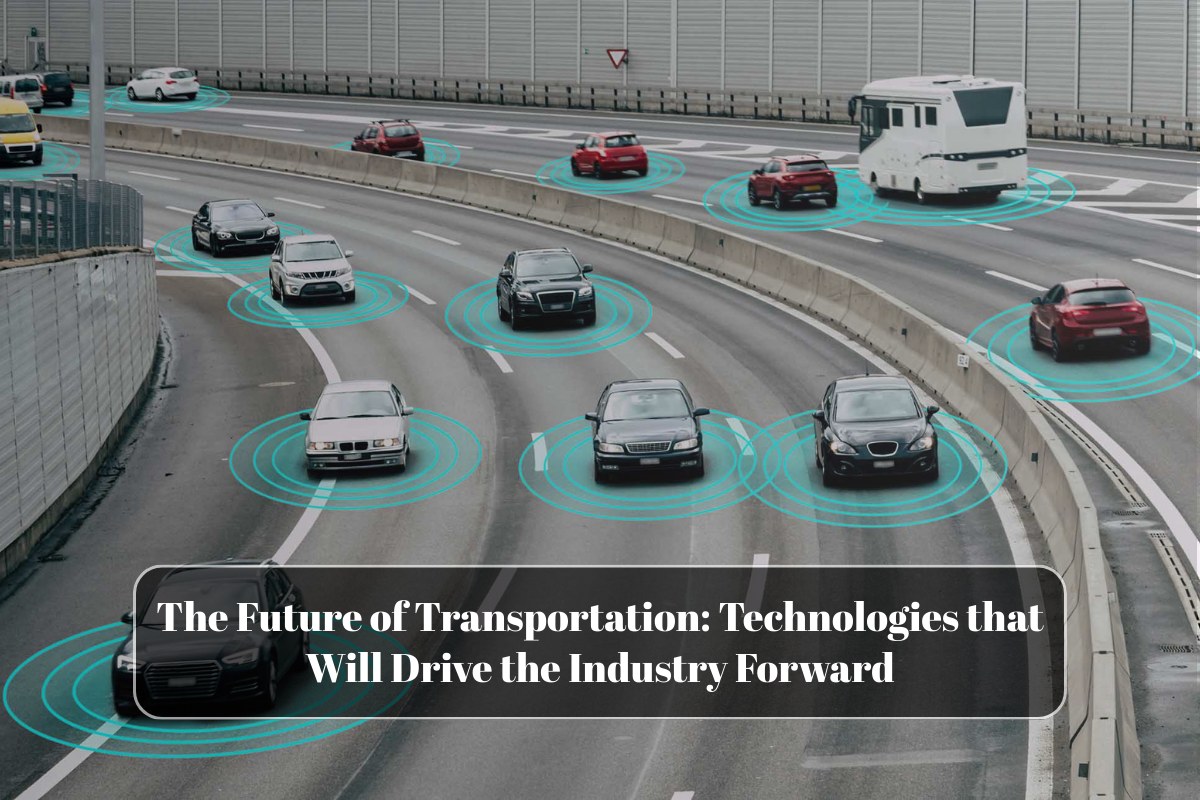
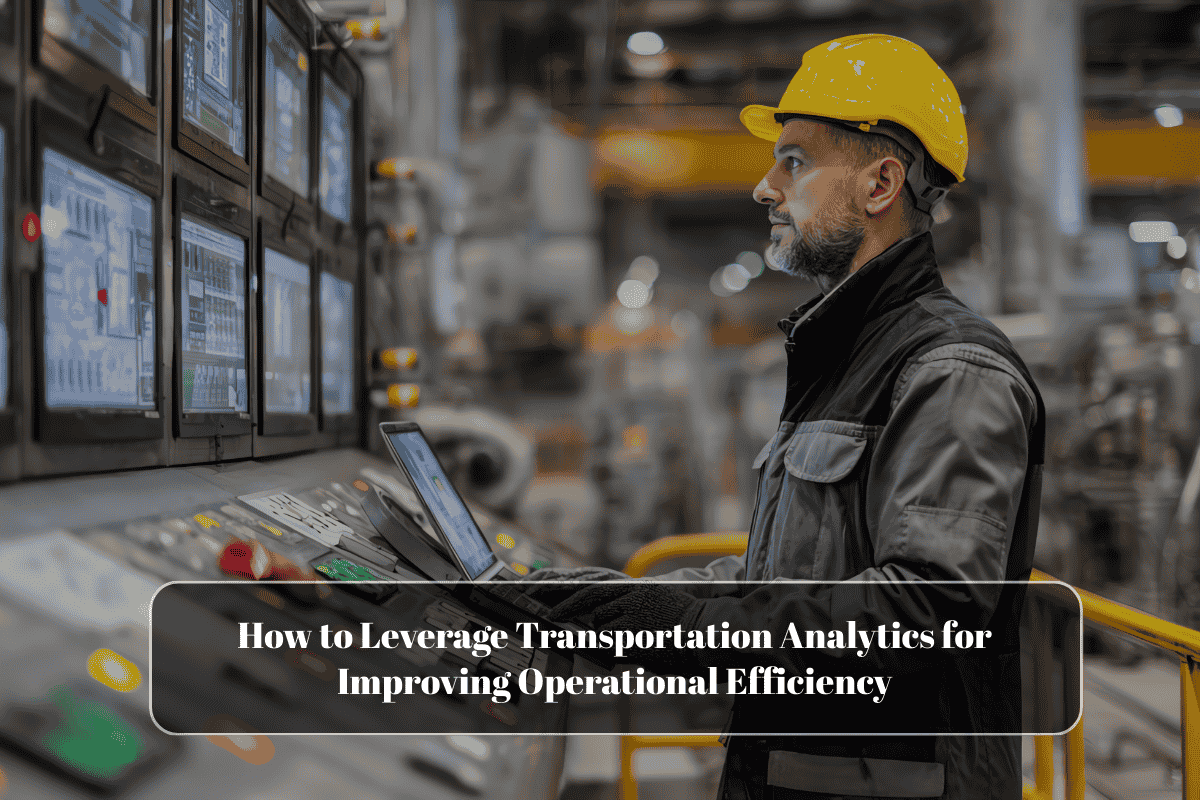
Fleet management platforms integrate ELDs, GPS, and AI for automated HOS monitoring, flagging violations before they occur and generating audit-ready reports. Tools like Geotab or Samsara unify driver files, maintenance schedules, and safety scores, supporting CSA thresholds and simplifying FMCSA interventions. Blockchain enhances cargo securement tracking, ensuring tie-downs meet 50% weight capacity standards per FMCSA.[ from memory, but use web]
Digital twins simulate compliance scenarios, predicting maintenance needs and optimizing routes to comply with weight restrictions and emissions rules. These systems foster a compliance culture, with mobile apps enabling real-time training updates on evolving regs like 2026 DOT updates.
Best Practices for Freight Carriers
Designate a compliance officer to monitor FMCSA portals and conduct quarterly audits, training staff on HOS, hazmat, and DVIRs. Implement tiered driver programs with incentives for low BASIC scores, alongside vehicle telematics for predictive repairs. Partner with vetted carriers via scorecards tracking OTIF and CSA data, diversifying to avoid single-point failures.
Foster cross-department communication for accurate documentation, using EDI for seamless customs clearance and reducing clearance times. Regular mock audits prepare for FMCSA reviews, while sustainability audits align with EPA GHG Phase 3 for long-term viability.
Long-Term Business Benefits
Compliance builds customer trust through reliable, safe deliveries, differentiating carriers in bids and securing contracts with retailers demanding 95% OTIF. It lowers total costs via fewer incidents, better insurance rates, and operational efficiencies, with compliant fleets seeing 15% profit uplifts. Reputationally, strong SMS scores attract talent and partners, supporting scalability in a driver-short market.
Ultimately, it ensures lawful continuity, turning regulatory adherence into a strategic edge for resilient supply chains nationwide.
FAQs
Q. What are the primary FMCSA regulations for freight compliance?
FMCSA rules under 49 CFR Parts 300-399 cover HOS (11-hour drive limit), ELDs, driver quals (CDL, medical certs, drug tests), DVIRs, and hazmat standards, with SMS thresholds under 65% avoiding interventions.
Q. How does compliance improve freight operation consistency?
It enforces standardized processes like training and ELD tracking, reducing downtime, redundancies, and delays for 95%+ on-time rates via proactive audits and route optimization.
Q. What financial risks arise from non-compliance in trucking?
Fines up to $175,000 per violation, insurance hikes, suspensions, and detention fees ($100/hour) erode margins, while accidents add claims costs in the $1.8T logistics sector.
Q. Which software tools best support transportation compliance?
Samsara, Trimble PULSE, and Geotab automate ELDs, DVIRs, audits, and safety scoring, cutting violations 30-50% with GPS integration and cloud reporting for FMCSA readiness.
Q. Why integrate technology for lawful freight operations?
AI/ELD platforms provide real-time HOS monitoring, predictive maintenance, and blockchain tracking, ensuring regulatory adherence, emissions compliance, and seamless audits for scalable, disruption-free hauls.