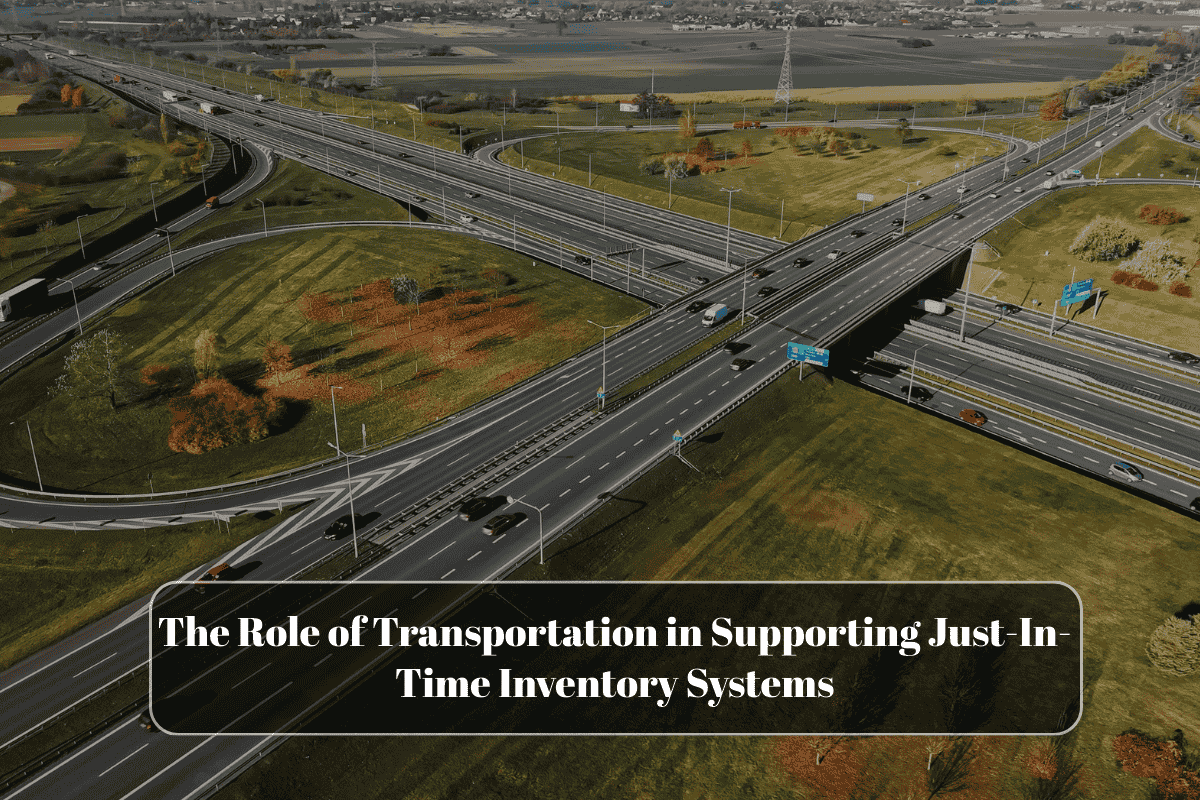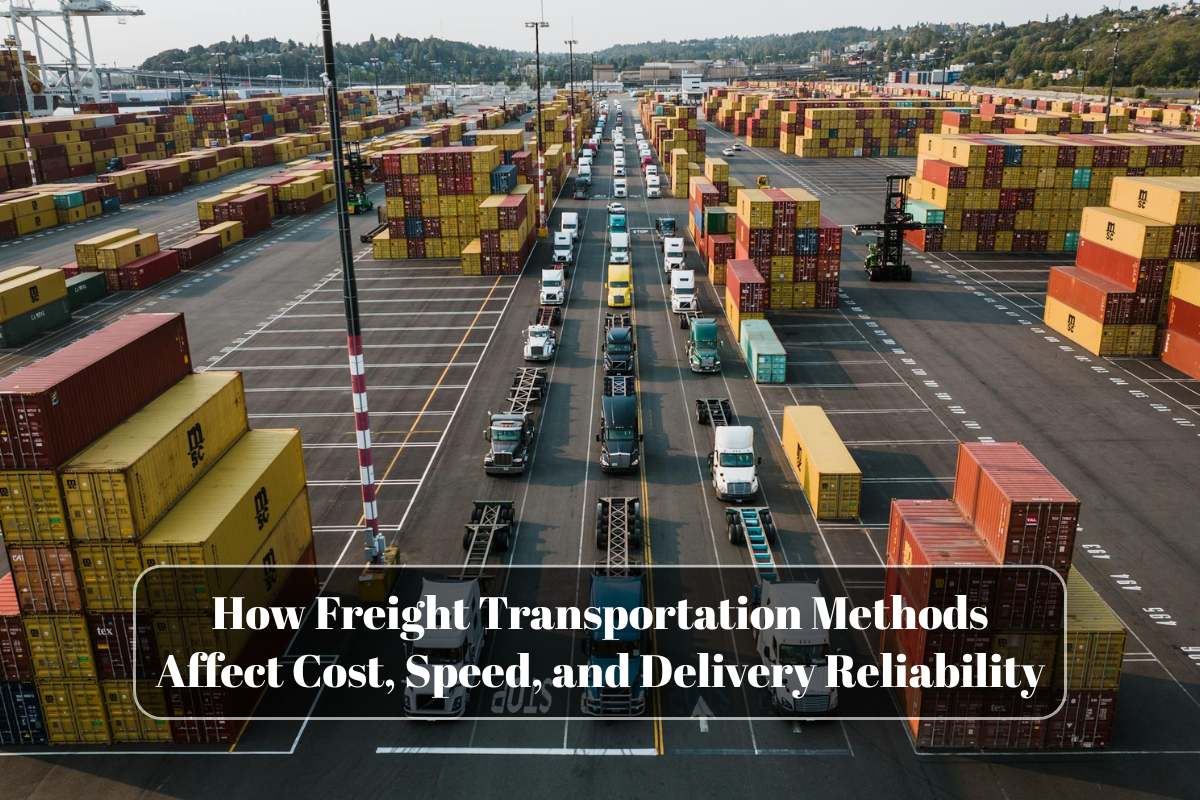
Freight transportation methods shape U.S. supply chains by balancing cost, speed, and reliability, with trucking dominating 72% of domestic freight valued at $940 billion annually. Air offers unmatched speed for high-value goods, ocean excels in bulk economics despite delays, rail provides cost-efficient volume hauls, and intermodal hybrids optimize multimodal networks amid 2025 port congestion and fuel volatility. Strategic mode selection cuts landed costs 20-40% while meeting e-commerce demands.
Trucking: Flexible Speed for Domestic Routes
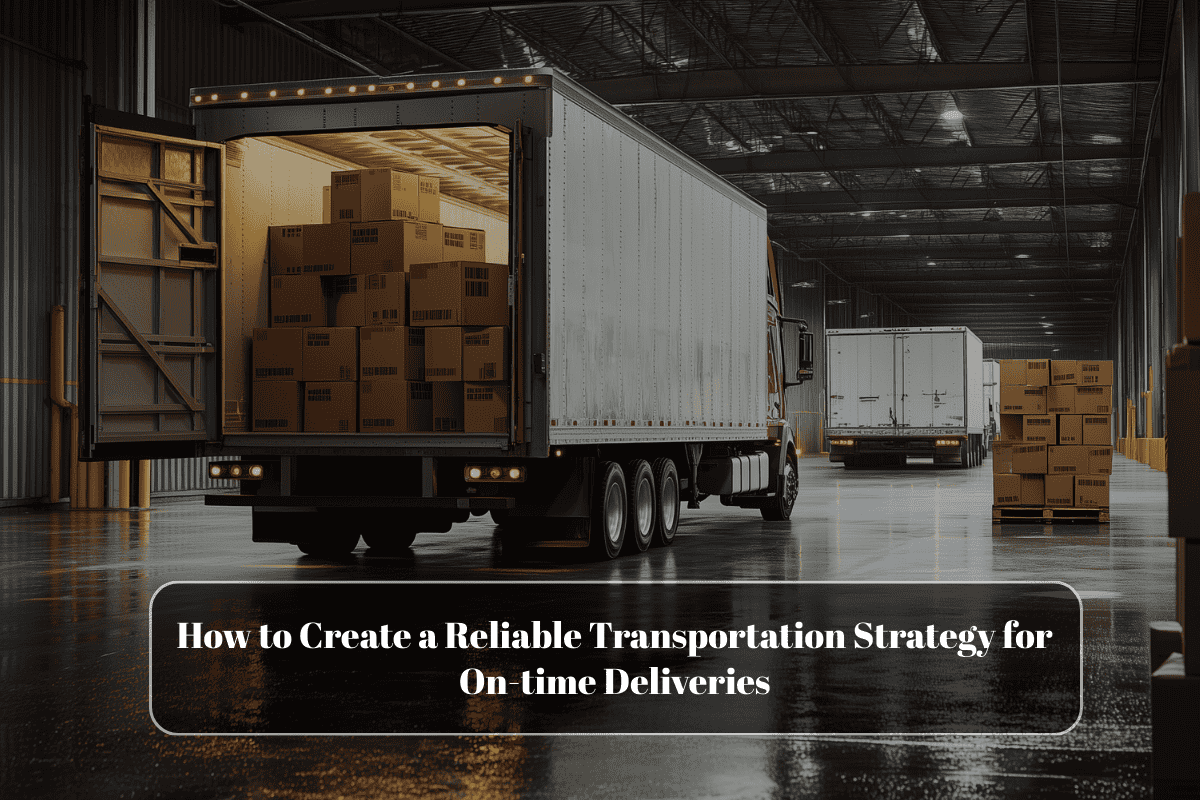
Truckload (FTL) and less-than-truckload (LTL) deliver 1-5 days across U.S. interstates, ideal for last-mile e-commerce where speed trumps volume. FTL rates average $2.00-$3.00 per mile, reliable at 90% on-time in stable lanes but vulnerable to driver shortages and diesel spikes at 25% of costs. LTL suits partial loads, offering 85% reliability via consolidated networks, though peak seasons like holidays inflate rates 10-20%.
Ocean Freight: Low-Cost Bulk Shipping
Container shipping via 40-ft units costs $1,700-$3,677 per TEU from Asia to U.S. West Coast, with 20-40 day transits suiting non-urgent commodities like electronics. Reliability dips to 70% amid LA/Long Beach backups, but economies scale for bulk—4-6x cheaper than air. 2025 spot rates hover at $2,673 average, influenced by port fees and customs, favoring importers planning ahead.
Air Freight: Premium Speed for Urgency
Air cargo charges $3-$6 per pound, delivering 1-3 days domestically or 3-7 internationally for perishables and valuables. High reliability (95%) via FedEx/UPS hubs suits pharma, but costs 4-6x ocean, with fuel surcharges adding 20%. Ideal for high-margin goods where delays cost more than premiums, air maintains stability despite trade shifts.
Rail: Efficient Long-Haul Volume
Rail hauls bulk like grain or autos at $0.03-$0.05 per ton-mile, 10-14 days coast-to-coast with 92% reliability for intermodal containers. Cost-effective for Midwest-to-Coast routes, it cuts truck dependency but faces terminal delays. Intermodal rail-truck combos boost speed to 7-10 days, balancing economics with FMCSA-regulated handoffs.
Intermodal and Emerging Hybrids
Combining rail-ocean-truck yields 15-25 day transits at ocean-like costs with truck flexibility, achieving 88% reliability via timed transfers. 2025 trends favor electric/autonomous trucks for last-mile, reducing emissions and fuel variability. Multimodal cuts empty miles 30%, per Kearney logistics reports.
Factors Influencing Trade-Offs
Distance, weight, and urgency dictate choices: short-haul favors trucks ($2/mile), long-bulk ocean/rail. Seasonal peaks spike rates 12%, while tech like AI routing mitigates risks. Reliability hinges on carrier SMS scores and ELDs, with hidden fees like detention eroding savings.
Mode mastery drives efficiency in America’s freight ecosystem.
FAQ
Q. What are typical trucking costs?
FTL $2-$3/mile, LTL consolidated; reliable 1-5 days but peaks add 10-20%.
Q. Why choose ocean for imports?
$1,700-$3,677/40-ft, 20-40 days; 4-6x cheaper than air for bulk.
Q. When is air freight worth it?
$3-$6/lb for 1-3 day urgency, 95% reliable for high-value goods.
Q. How does rail compare?
$0.03-$0.05/ton-mile, 92% reliable for long-haul volume.
Q. What boosts intermodal efficiency?
Rail-truck hybrids cut costs 30%, balancing speed and economics.