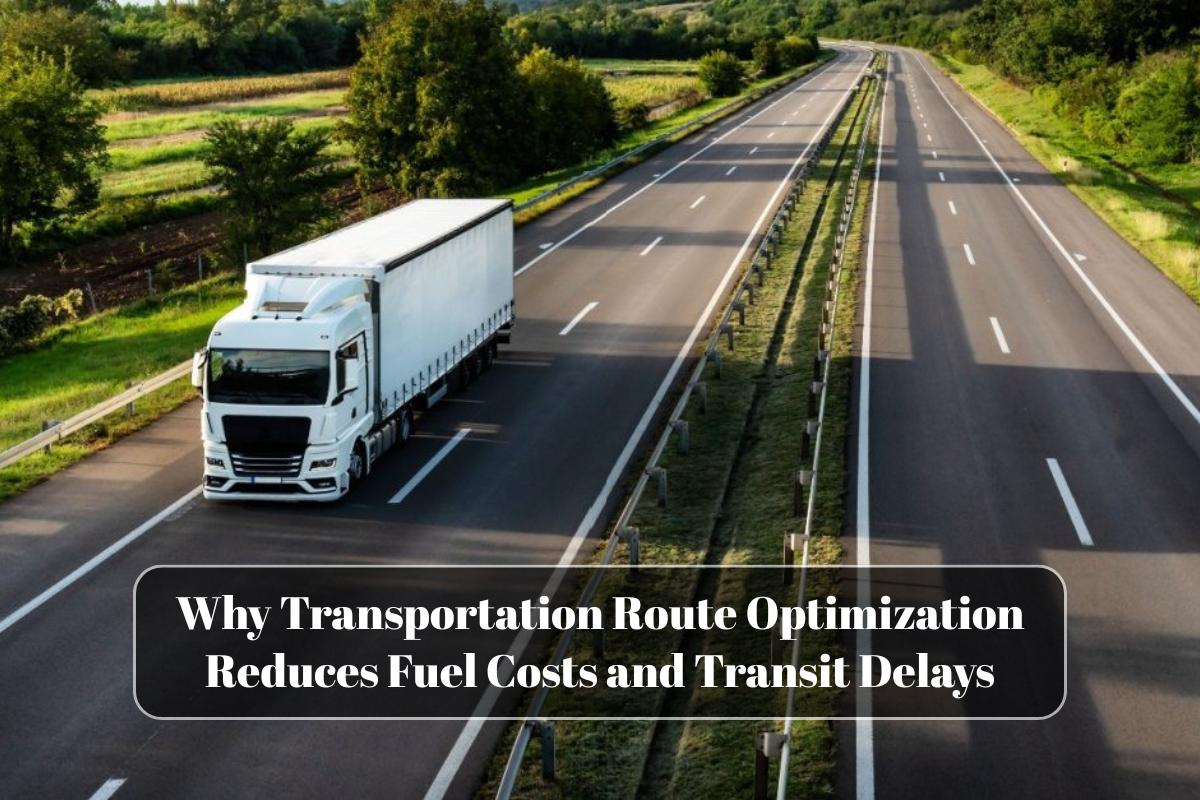
Transportation route optimization uses AI algorithms, GPS, and real-time data to plan efficient paths for trucks, fleets, and deliveries, slashing unnecessary miles in the USA’s $1.5T logistics sector. US firms cut fuel by 10-30% and delays by 20%, per NHTSA and industry reports, amid rising diesel prices and e-commerce demands. This boosts ROI while meeting FMCSA hours-of-service rules.
How Optimization Cuts Fuel Consumption
Algorithms minimize distance by sequencing stops logically, avoiding detours—studies show 11-20% fuel savings via shorter routes and full loads. Real-time traffic from sources like Google Maps reroutes around jams, reducing idle time that wastes 15% of fuel. Load balancing prevents empty backhauls, common in 30% of US trips, ensuring vehicles return loaded.
Mechanisms for Reducing Transit Delays
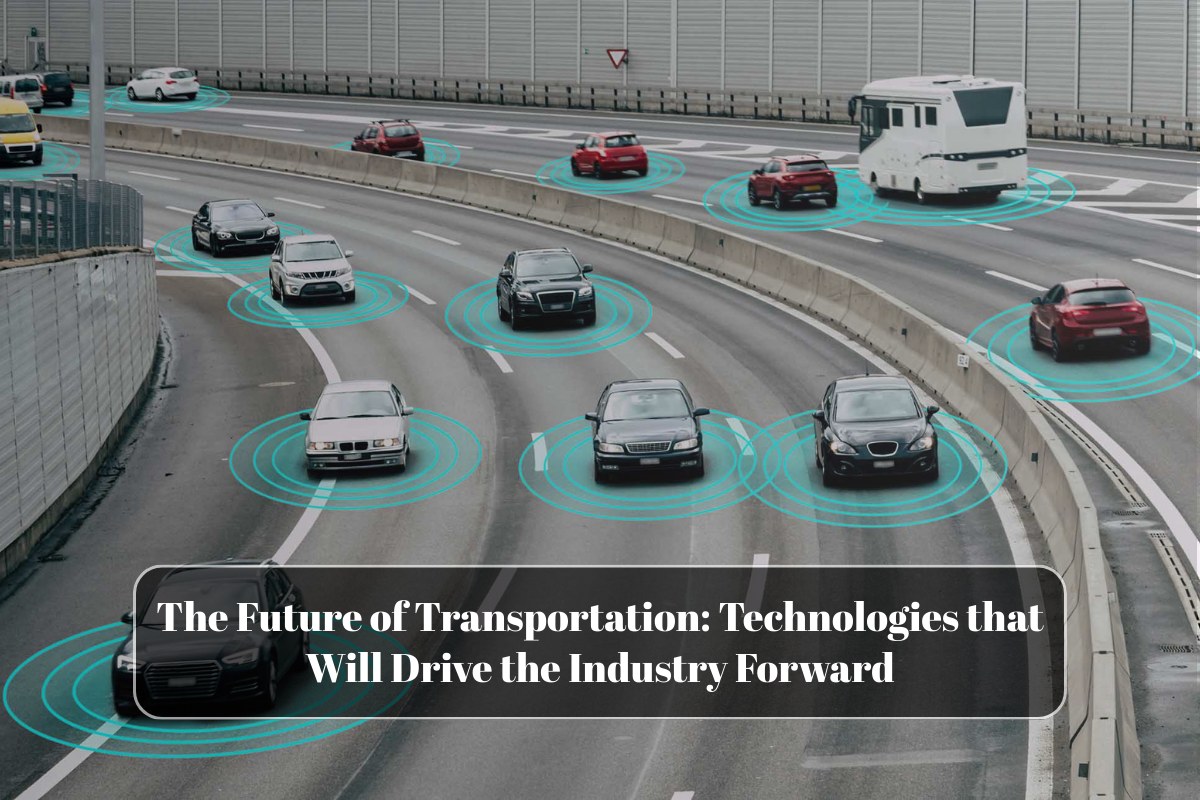
Dynamic rerouting adapts to weather, accidents, or construction, cutting delivery times 20-30% by predicting ETAs accurately. Prioritizing high-value stops and consolidating shipments maximizes daily runs, dodging peak congestion in hubs like LA or Chicago. US fleets using tools like Geotab report 10% fewer delays, improving on-time rates to 95%.
Key Technologies Powering US Optimization
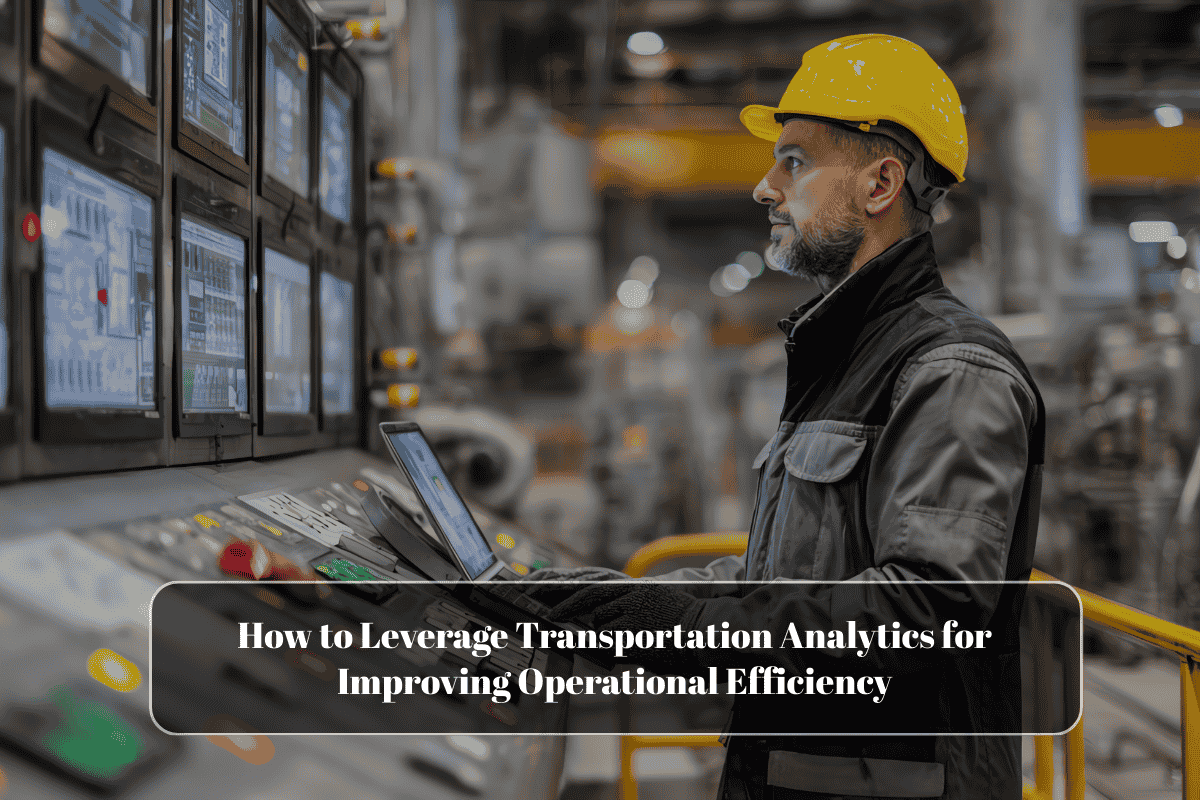
AI platforms like NextBillion or FarEye integrate GIS, machine learning, and telematics for multi-stop planning under constraints like driver breaks. Cloud software automates dispatch, factoring HOS logs and EV charging. A Wheelz Up case saved thousands yearly by curbing harsh braking and idling via real-time coaching.
Economic and Environmental Gains
Fuel savings alone yield 15-20% cost drops for small fleets; reduced wear lowers maintenance 10%. Fewer delays slash overtime and fines from late deliveries, per Aptean data. Environmentally, 10-30% less mileage cuts CO2, aiding EPA sustainability goals—optimized LTL/FTL ops consolidate loads nationwide.
Implementation in American Logistics
US trucking (90% of freight) adopts via SaaS like DispatchTrack, with ROI in months. Challenges like variable traffic yield to predictive analytics, transforming e-commerce last-mile from Amazon to UPS. FMCSA-compliant tools ensure legal routing, scaling from 5-truck ops to national carriers.
Route optimization turns logistics chaos into precision, fueling profits in a delay-prone economy.
FAQs
1. How much fuel can route optimization save US fleets?
10-30% via shorter paths and less idling, equating to thousands yearly for small operators.
2. What causes transit delays that optimization fixes?
Traffic, poor sequencing, and empty miles—AI rerouting cuts them by 20-30%.
3. Which US tech drives route optimization?
AI with GPS, real-time traffic, and HOS integration like FarEye or Geotab.
4. Does it reduce vehicle maintenance costs?
Yes, 10% less wear from fewer miles and smoother driving patterns.
5. Is route optimization mandatory for US trucking?
No, but FMCSA encourages it for efficiency; e-commerce mandates fast, cheap delivery.