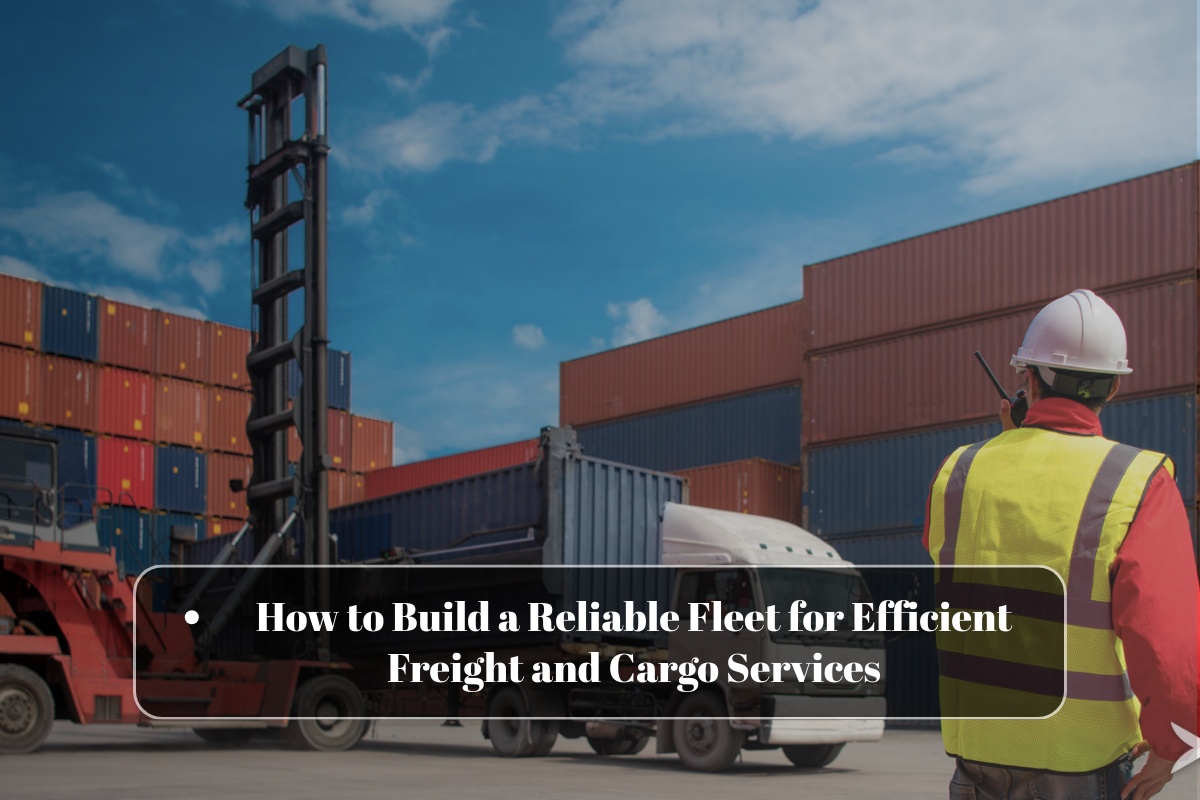
In the freight and logistics industry, trust is not built through promises or pricing alone—it is earned through consistent performance over time. Customers depend on freight carriers to move goods safely, on schedule, and with minimal disruption. When reliability becomes predictable, trust becomes durable. Long-term customer relationships in freight are the result of operational discipline, transparency, and a genuine commitment to partnership rather than short-term transactions.
Consistent On-Time Performance Builds Credibility
Reliability begins with doing what was agreed, every time. Consistent on-time pickups and deliveries signal professionalism and operational control.
Freight carriers build trust when they:
- Meet delivery windows consistently
- Avoid last-minute schedule changes
- Communicate early if delays are unavoidable
Customers can plan confidently only when timelines are dependable. Over time, consistency matters more than occasional perfection.
Transparent Communication Strengthens Relationships
Delays and disruptions are sometimes unavoidable in freight operations. What differentiates reliable carriers is how they communicate during uncertainty.
Trust grows when carriers:
- Provide proactive updates rather than excuses
- Share accurate information, not optimistic guesses
- Are reachable and responsive when issues arise
Transparency reduces anxiety and prevents small problems from escalating into relationship-damaging conflicts.
Accountability Creates Confidence
Reliable freight carriers take responsibility for outcomes rather than shifting blame. When issues occur, customers watch how carriers respond, not just what caused the problem.
Accountability includes:
- Acknowledging mistakes quickly
- Offering solutions, not defensiveness
- Following through on corrective actions
This behavior reassures customers that their freight is handled by partners who take ownership seriously.
Safety and Cargo Care Demonstrate Respect
Customers entrust carriers with valuable goods, tight deadlines, and brand reputation. Safe handling is a direct signal of respect for that trust.
Reliable carriers invest in:
- Driver training and safety standards
- Proper load securing and equipment maintenance
- Compliance with transport regulations
Minimizing damage and loss reinforces confidence and reduces downstream disruptions for customers.
Operational Discipline Reduces Uncertainty
Trust increases when operations feel stable and predictable. Reliable carriers build disciplined systems that reduce variability.
Key elements include:
- Standard operating procedures
- Preventive vehicle maintenance
- Clear routing and dispatch protocols
Operational discipline allows carriers to deliver consistent outcomes even as volumes and conditions change.
Realistic Commitments Prevent Disappointment
Overpromising erodes trust faster than underdelivering. Reliable freight carriers set expectations they can meet consistently.
This means:
- Accepting capacity limits honestly
- Quoting realistic transit times
- Avoiding last-minute price or scope changes
Customers value honesty over ambition because reliability protects their own commitments downstream.
Relationship-Focused Service Builds Loyalty
Long-term trust grows when carriers treat customers as partners rather than transactions. This involves understanding customer priorities beyond basic delivery.
Reliable carriers:
- Learn customer workflows and constraints
- Adapt services to long-term needs
- Maintain continuity in account management
This relationship depth creates resilience when challenges arise.
Data, Visibility, and Reporting Increase Confidence
Visibility reduces uncertainty. Reliable carriers use data to provide insight, not just tracking numbers.
Trust is strengthened through:
- Real-time shipment visibility
- Performance reporting and metrics
- Clear documentation and billing accuracy
When customers can see what is happening, confidence replaces speculation.
Handling Problems Well Matters More Than Avoiding Them
No freight operation is flawless. Customers judge reliability by how issues are handled, not whether they occur.
Effective problem handling includes:
- Fast response times
- Clear escalation paths
- Lessons learned to prevent recurrence
Carriers that improve after setbacks often earn stronger trust than those who avoid transparency.
Long-Term Consistency Outweighs Short-Term Cost Savings
Customers may switch carriers for lower rates, but they stay for reliability. Over time, dependable service reduces hidden costs such as delays, inventory disruptions, and customer complaints.
Reliable freight carriers position themselves as:
- Risk-reducing partners
- Extensions of the customer’s supply chain
- Enablers of predictable operations
This value creates long-term loyalty beyond price competition.
Culture Drives Reliability
Reliability is not just a process—it is a mindset. Freight carriers that build trust embed reliability into their organisational culture.
This includes:
- Empowering employees to solve problems
- Rewarding consistency and safety
- Reinforcing customer impact awareness
When reliability is cultural, it scales naturally.
Reliable freight carriers build long-term customer trust through consistency, transparency, accountability, and operational discipline. Trust grows when customers experience predictable performance, honest communication, and responsible problem-solving over time. In an industry where disruptions are inevitable, reliability is defined not by perfection but by how consistently a carrier protects customer outcomes. Long-term trust is earned load by load, decision by decision.
Frequently Asked Questions (FAQs)
Q. What makes a freight carrier reliable?
Consistent on-time performance, transparent communication, safety standards, and accountability are the core indicators of reliability.
Q. How does communication affect customer trust?
Proactive and honest communication reduces uncertainty and prevents misunderstandings, strengthening long-term relationships.
Q. Is price less important than reliability in freight services?
Over time, yes. Reliability reduces hidden costs and operational risk, which often matters more than short-term savings.
Q. How do freight carriers recover trust after a service failure?
By acknowledging issues quickly, communicating clearly, offering solutions, and demonstrating improvements to prevent recurrence.
Q. Why do customers stay loyal to reliable freight carriers?
Because reliability protects their operations, reputation, and customer commitments, making the carrier a trusted supply chain partner.