Freight transportation is the backbone of global commerce, yet it operates in an environment exposed to risk, disruption, and constant pressure to perform. Delays, accidents, cargo damage, and compliance failures can ripple across entire supply chains.
Technology is transforming this landscape by improving visibility, predictability, and safety at every stage of freight movement. From data-driven planning to real-time monitoring, digital innovation is making freight transportation more reliable and secure than ever before.
Real-Time Visibility Across the Supply Chain
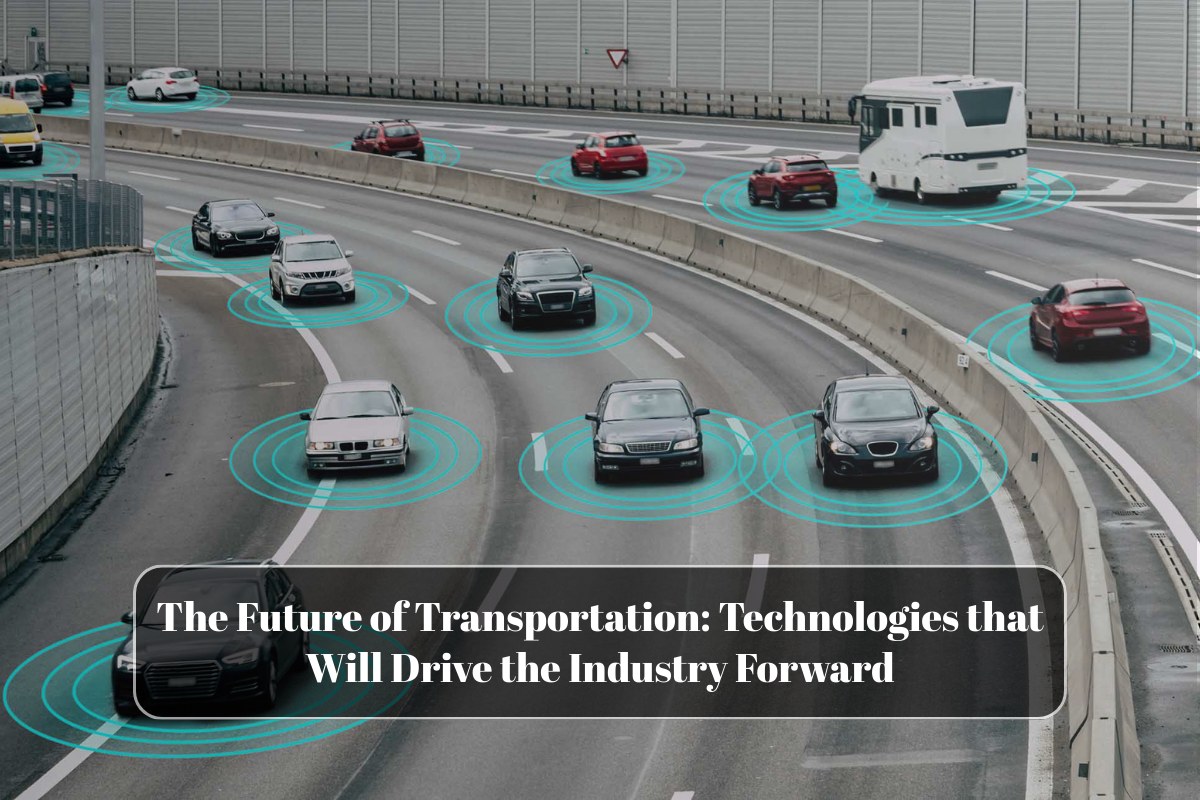
One of the most significant technological advances in freight transportation is real-time visibility. GPS tracking, Internet of Things (IoT) sensors, and telematics systems allow operators to monitor vehicle location, speed, route adherence, and cargo condition continuously.
This visibility enables:
- Faster response to delays or route deviations
- Proactive communication with customers
- Early intervention when risks emerge
Companies like DHL have demonstrated how end-to-end visibility improves delivery reliability while reducing uncertainty across complex logistics networks.
Predictive Analytics Reducing Disruptions
Technology is shifting freight operations from reactive to predictive. Advanced analytics use historical data, traffic patterns, weather forecasts, and vehicle performance data to anticipate disruptions before they occur.
Predictive systems help:
- Optimize routes to avoid congestion or hazardous conditions
- Schedule maintenance before breakdowns happen
- Forecast capacity constraints and demand spikes
By anticipating problems, freight operators can prevent failures that would otherwise compromise reliability and safety.
Enhancing Driver Safety Through Smart Systems
Driver behavior is a critical factor in freight safety. Technology now supports drivers with systems that reduce fatigue, distraction, and human error.
Key safety technologies include:
- Advanced driver-assistance systems (ADAS)
- Fatigue and distraction monitoring
- Lane departure and collision avoidance alerts
These tools do not replace drivers—they enhance awareness and reaction time, reducing accident rates and improving road safety.
Vehicle Health Monitoring and Predictive Maintenance
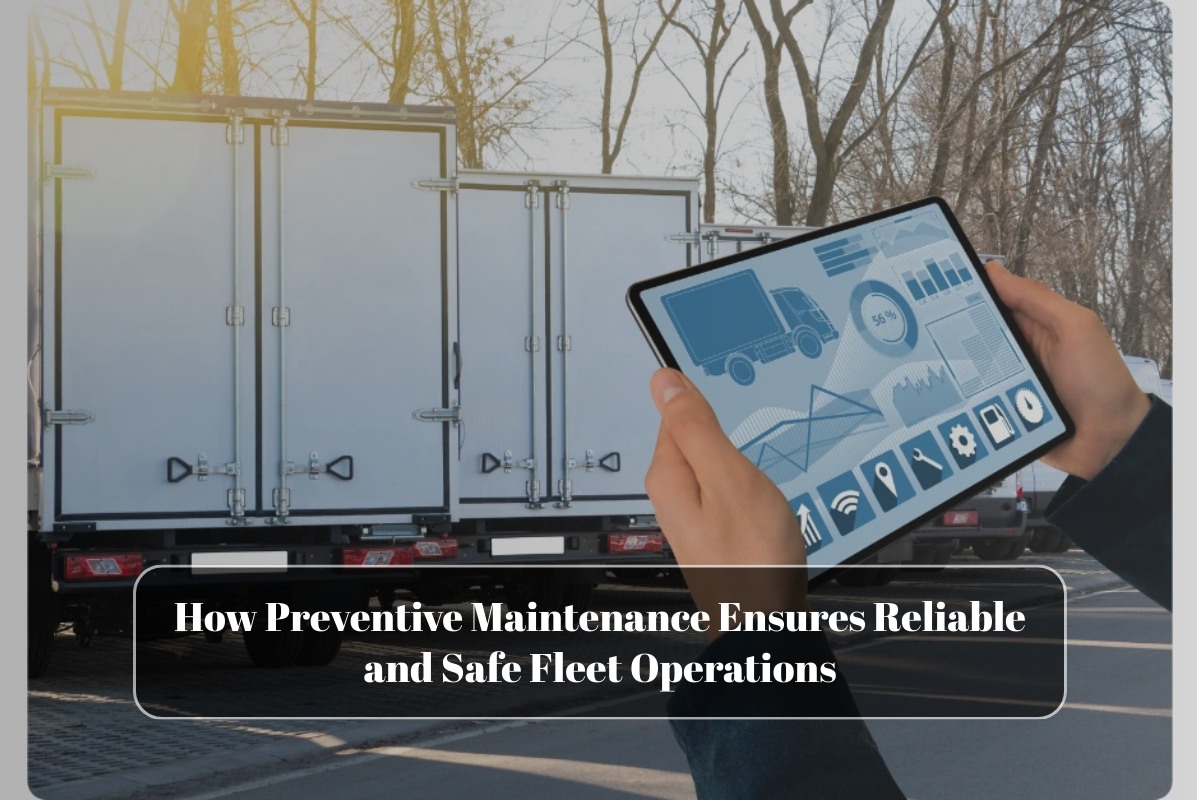
Unexpected vehicle failures are a major cause of delays and accidents. Telematics and onboard diagnostics continuously monitor engine performance, braking systems, tire pressure, and other critical components.
Predictive maintenance systems:
- Identify early signs of mechanical issues
- Reduce roadside breakdowns
- Extend vehicle lifespan
Safer vehicles are more reliable vehicles, and technology ensures maintenance happens before failures occur.
Improving Cargo Safety and Integrity
Cargo safety is as important as vehicle safety. IoT sensors now monitor temperature, humidity, shock, and tampering—particularly for pharmaceuticals, food, and high-value goods.
Real-time alerts allow operators to:
- Intervene before cargo is damaged
- Maintain compliance with safety regulations
- Reduce insurance claims and losses
This technology protects both product integrity and customer trust.
Automation Reducing Human Error
Automation is improving reliability by reducing manual processes that are prone to error. Digital documentation, automated scheduling, and electronic logging eliminate paperwork mistakes and compliance gaps.
Automated systems ensure:
- Accurate records and faster audits
- Consistent adherence to safety regulations
- Reduced administrative burden on drivers and operators
Fewer errors mean fewer disruptions and safer operations.
Strengthening Compliance and Regulatory Oversight
Freight transportation operates under strict safety and regulatory frameworks. Technology helps companies maintain compliance across jurisdictions by embedding rules directly into systems.
Organizations such as International Transport Forum highlight how digital compliance tools improve enforcement consistency while supporting safer freight systems globally.
Automated compliance monitoring reduces the risk of violations that could lead to accidents, fines, or operational shutdowns.
Cybersecurity and Data Protection in Freight Systems
As freight transportation becomes more digital, protecting systems from cyber threats is essential for safety and reliability. Secure platforms, encrypted data, and access controls prevent unauthorized interference with routing, tracking, or vehicle systems.
Reliable freight operations now depend as much on digital security as physical safety.
Supporting Sustainability Alongside Safety
Technology also supports safer and more reliable operations by improving sustainability. Optimized routes, reduced idling, and fuel-efficiency monitoring lower emissions while minimizing wear on vehicles and infrastructure.
Sustainable practices often align with safety outcomes—less congestion, better vehicle condition, and more predictable operations.
FAQs
How does real-time tracking improve freight reliability?
It allows operators to monitor shipments continuously, respond quickly to disruptions, and keep customers informed.
Can technology really reduce freight accidents?
Yes. Driver-assistance systems, fatigue monitoring, and predictive maintenance significantly lower accident risk.
What role does predictive maintenance play in safety?
It prevents mechanical failures that can cause breakdowns or accidents by addressing issues before they become critical.
Is technology mainly beneficial for large freight companies?
No. Scalable digital tools are increasingly accessible to small and mid-sized operators as well.
Does increased automation reduce the need for skilled drivers?
No. Automation supports drivers by reducing errors and fatigue, but skilled human judgment remains essential.
How does technology support regulatory compliance?
Digital systems automate record-keeping, monitoring, and reporting, reducing compliance risks and improving safety standards.