In today’s globalized economy, freight delivery plays a pivotal role in the success of businesses. Whether you’re delivering raw materials, finished goods, or spare parts, ensuring consistent reliability in freight deliveries is crucial for customer satisfaction, operational efficiency, and long-term growth.
Inconsistent deliveries can lead to delays, increased costs, and customer dissatisfaction, which ultimately impact a company’s reputation and bottom line. To achieve long-term success, businesses must focus on optimizing their freight operations to ensure timely, reliable deliveries every time. Below are key strategies for ensuring consistent reliability in freight deliveries.
1. Build Strong Relationships with Reliable Carriers
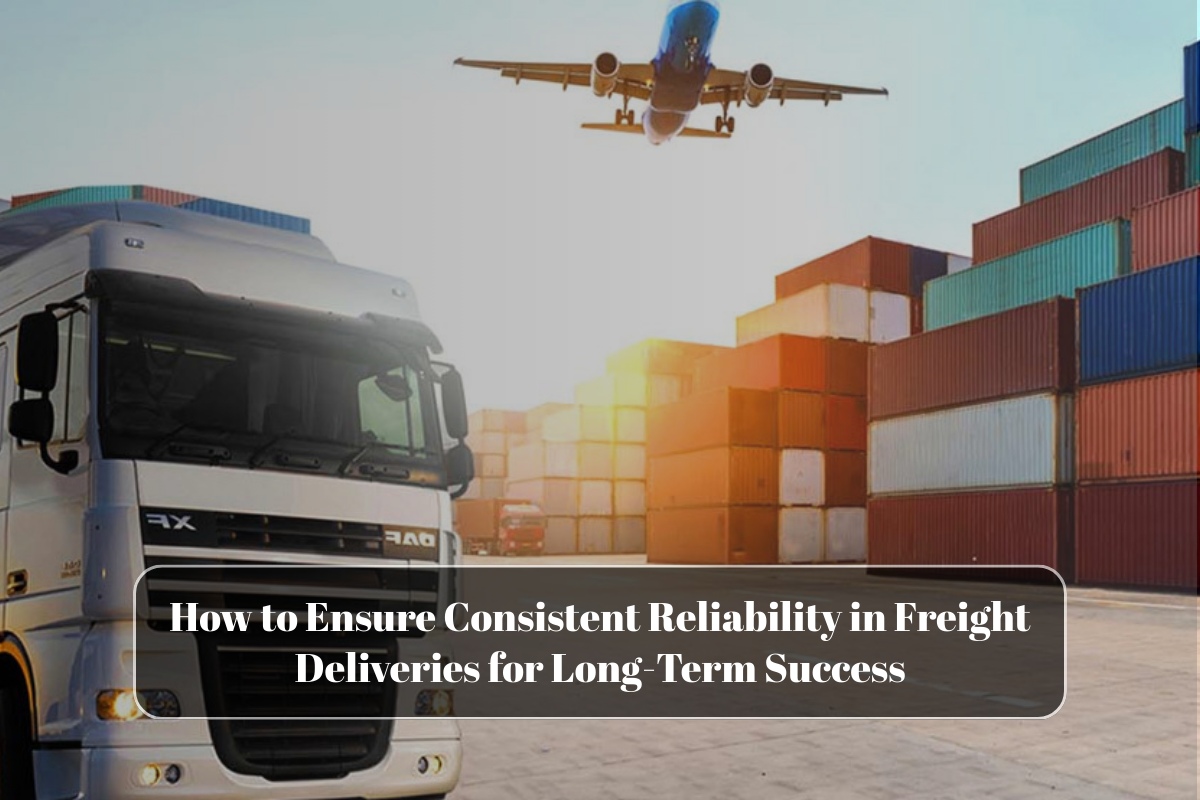
The foundation of reliable freight deliveries starts with choosing the right carriers. Freight carriers are responsible for transporting goods from one location to another, and their reliability directly affects your delivery performance. To ensure consistent deliveries, it is vital to partner with trusted carriers who have a proven track record of punctuality and quality service.
Building strong, long-term relationships with your carriers allows for better communication, cooperation, and understanding of expectations. Over time, these partnerships can lead to preferential treatment, faster response times, and priority scheduling during peak periods. Additionally, working with reliable carriers reduces the risk of delays or disruptions in the delivery process, helping to maintain consistency in service.
2. Invest in Technology for Real-Time Tracking and Monitoring
Technology is a powerful tool for ensuring consistent reliability in freight deliveries. Real-time tracking systems, enabled by GPS and RFID technology, provide valuable insights into the location and status of shipments. With real-time visibility, businesses can monitor freight progress and quickly identify potential issues, such as delays, traffic congestion, or accidents.
By having up-to-date information, companies can proactively address any problems and adjust delivery schedules if necessary, reducing the likelihood of late deliveries. Moreover, customers can receive accurate delivery windows and updates, improving their experience and trust in your brand. Investing in technology also helps streamline communication between teams, suppliers, and carriers, ensuring that everyone is on the same page when it comes to delivery timelines.
3. Optimize Freight Routes for Efficiency
Efficient route planning is essential for consistent freight delivery. By analyzing factors such as traffic patterns, road conditions, delivery windows, and weather forecasts, companies can identify the best routes for each delivery. Optimizing routes not only ensures that freight reaches its destination on time but also minimizes fuel costs, reduces wear and tear on vehicles, and increases overall fleet efficiency.
Using advanced route optimization software helps automate the decision-making process and accounts for real-time changes such as road closures, accidents, or delays. With the right route optimization strategy in place, businesses can achieve consistent on-time deliveries while also reducing operational costs.
4. Maintain a Well-Managed and Reliable Fleet
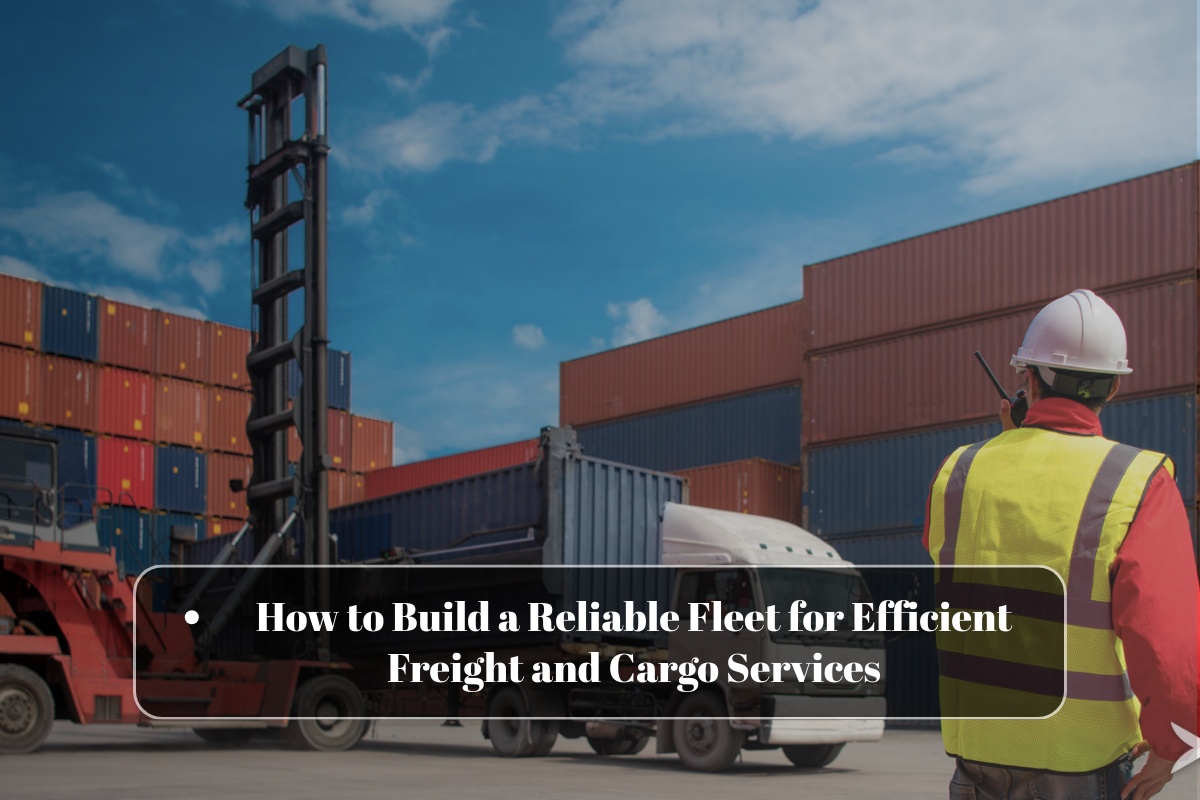
A reliable fleet of vehicles is a key factor in ensuring consistent delivery performance. Whether you own your own fleet or work with third-party carriers, maintaining your vehicles in optimal condition is essential for avoiding breakdowns and delays. Regular maintenance, inspections, and repairs are crucial to ensure that your fleet operates efficiently and safely.
A well-managed fleet includes not only regular maintenance schedules but also careful selection of vehicles suited to the type of goods being transported. For instance, temperature-sensitive products may require refrigerated trucks, while oversized items may need specialized carriers. Having the right vehicles for the job minimizes the risk of delays and ensures that freight arrives on time and in the proper condition.
5. Establish Clear Communication and Contingency Plans
Clear communication between all stakeholders is essential to ensure that freight deliveries are consistently reliable. This includes communication between suppliers, warehouse staff, carriers, and customers. Establishing a communication plan that outlines expectations, timelines, and roles for each party helps avoid misunderstandings and delays.
Additionally, it’s important to have contingency plans in place to address unexpected events, such as traffic accidents, weather disruptions, or supply chain issues. Having a contingency plan enables businesses to quickly respond to and manage disruptions, minimizing delays and ensuring that deliveries remain on track. Regularly reviewing and updating these plans ensures that the company is prepared for any unforeseen challenges that may arise.
6. Set Realistic Delivery Expectations
Setting realistic and achievable delivery expectations is crucial to maintaining consistency in freight operations. Over-promising and under-delivering can result in customer dissatisfaction, so it’s essential to align delivery timelines with the actual capabilities of your logistics and transportation network. By analyzing historical delivery data and factoring in any potential risks or challenges, businesses can set more accurate delivery windows for their customers.
Moreover, it’s important to communicate any potential delays or changes to customers promptly. Transparency is key to building trust with customers and ensuring that their expectations are met. By consistently meeting or exceeding the delivery expectations you set, your business can build a reputation for reliability and customer satisfaction.
7. Focus on Continuous Improvement and Performance Monitoring
To ensure long-term success, companies must focus on continuous improvement in their freight operations. This involves regularly monitoring performance metrics such as on-time delivery rates, cost per shipment, and customer satisfaction levels. Identifying trends or recurring issues allows businesses to make data-driven decisions and refine their strategies for greater efficiency and reliability.
Encourage feedback from both customers and partners to identify areas of improvement. Regularly review delivery processes, carrier performance, and technology utilization to ensure that everything is functioning at peak efficiency. By adopting a culture of continuous improvement, businesses can adapt to changes in the market and maintain consistent reliability over time.
8. Foster Collaboration Across the Supply Chain
Collaboration is key to ensuring that all elements of the supply chain work together seamlessly. When all stakeholders—suppliers, warehouses, carriers, and logistics teams—are aligned and working toward common goals, freight deliveries become more predictable and efficient. This can be achieved through shared goals, integrated systems, and clear communication channels.
A collaborative approach also ensures that any disruptions or challenges are addressed quickly, preventing delays and maintaining reliable service. By fostering collaboration across the supply chain, businesses can improve the overall efficiency of their freight operations and reduce the risk of delivery issues.
FAQs
Why is building strong relationships with carriers important for freight reliability?
Strong relationships with carriers ensure better cooperation, priority scheduling, and communication, which leads to more reliable and timely deliveries. Long-term partnerships with trusted carriers help reduce the risk of disruptions and delays.
How does technology help ensure consistent freight delivery?
Real-time tracking and monitoring systems provide visibility into the status of shipments, allowing businesses to quickly identify and address potential issues, ensuring that deliveries are timely and customers are kept informed.
What role does route optimization play in freight reliability?
Optimizing routes helps reduce travel time, fuel consumption, and operational costs, ensuring that deliveries are made on time and with minimal delays. Advanced software accounts for real-time traffic conditions, making routes more efficient.
How can fleet maintenance improve delivery consistency?
A well-maintained fleet reduces the likelihood of vehicle breakdowns or delays. Regular maintenance ensures that vehicles are in optimal condition, which minimizes disruptions and keeps deliveries on track.
Why is setting realistic delivery expectations important for freight success?
Setting achievable and accurate delivery timelines prevents over-promising, ensuring that customers’ expectations are met and avoiding dissatisfaction due to delays. Realistic expectations build trust and reliability in the long term.