In the transportation and logistics industry, reliability is not simply a performance metric—it is a defining factor of operational success and customer trust. Whether moving goods across cities or continents, consistent and dependable service shapes how efficiently operations run and how customers perceive a transportation provider. Over time, reliability becomes a key driver of customer loyalty, competitive advantage, and long-term growth.
Understanding Reliability in Transportation Operations
Reliability in transportation refers to the ability to deliver services as promised, consistently and predictably. This includes on-time pickups and deliveries, accurate tracking information, cargo integrity, and dependable communication.
Operational reliability is built through well-maintained equipment, skilled personnel, effective planning, and resilient systems. When these elements work together, transportation networks function smoothly even in the face of disruptions such as weather, congestion, or fluctuating demand.
Operational Efficiency and Cost Control
Reliable transportation operations reduce inefficiencies that drive up costs. Delays, missed connections, and service failures often result in overtime labor, expedited shipping, penalties, and lost productivity. Over time, these inefficiencies erode margins and strain resources.
Conversely, reliable operations support better planning and utilization of assets. Predictable transit times allow for optimized scheduling, reduced buffer inventory, and improved fleet usage. This efficiency creates a positive cycle: stable operations lower costs, which can then be reinvested into further reliability improvements.
Reliability as a Risk Management Tool
Transportation operations are inherently exposed to risk, including mechanical failures, labor shortages, regulatory changes, and external disruptions. Reliability mitigates these risks by reducing variability and increasing control.
Organizations with reliable systems are better equipped to anticipate issues, respond quickly, and minimize downstream impact. Contingency planning, real-time visibility, and standardized processes all contribute to operational resilience and continuity.
The Customer Perspective on Reliability
From a customer’s point of view, reliability often matters more than speed or price. Businesses and consumers alike depend on transportation providers to support their own commitments. Late or inconsistent deliveries can disrupt production schedules, retail availability, and end-customer satisfaction.
Reliable transportation creates confidence. Customers are more likely to plan effectively, reduce safety stock, and streamline their own operations when they trust delivery timelines and service consistency. This trust strengthens the overall supply chain relationship.
Building Customer Loyalty Through Consistency
Customer loyalty is built through repeated positive experiences. When transportation services consistently meet expectations, customers develop long-term confidence in the provider.
Reliability reduces friction in the relationship. Fewer service failures mean fewer disputes, less time spent on issue resolution, and more focus on collaboration and growth. Over time, reliable providers become strategic partners rather than interchangeable vendors.
Reputation and Competitive Advantage
In a crowded transportation market, reliability differentiates providers more effectively than marketing claims. Reputation spreads quickly through industry networks, reviews, and referrals.
Companies known for dependable service are more likely to win repeat business and long-term contracts. Reliability also supports premium positioning, as customers are often willing to pay more for certainty and reduced operational risk.
Technology’s Role in Enhancing Reliability
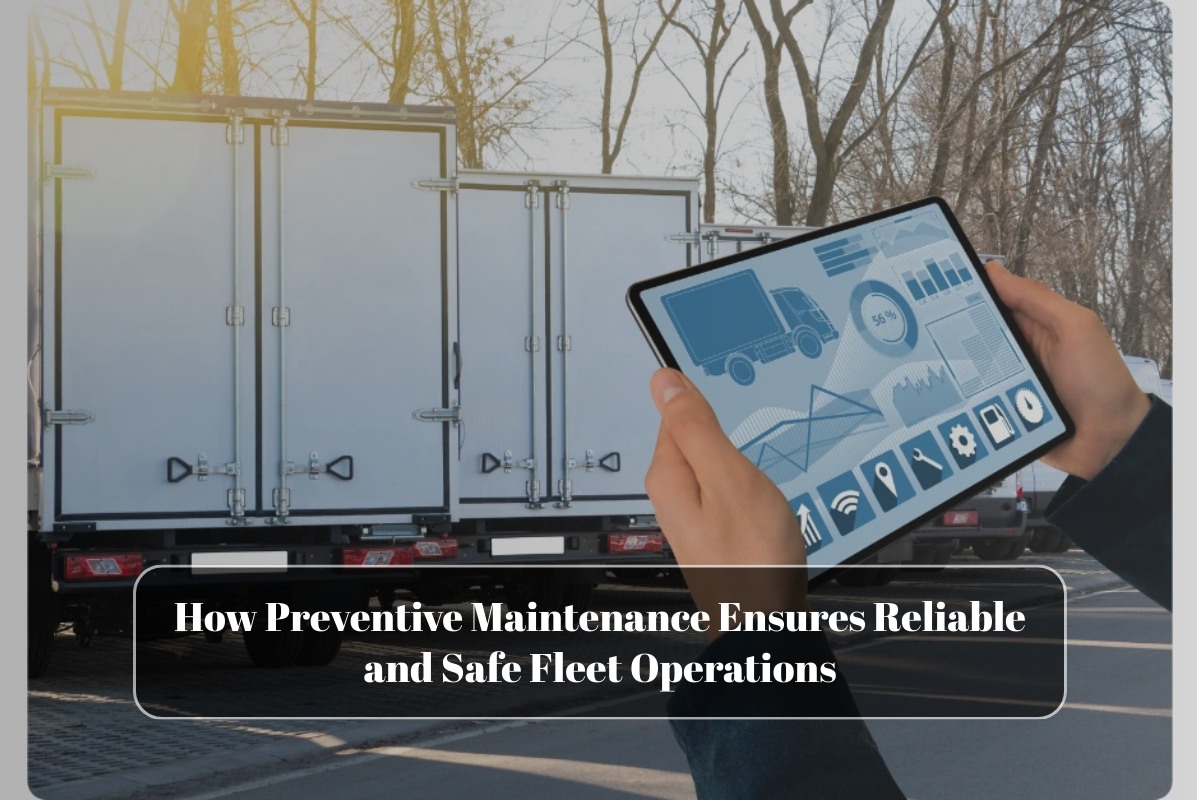
Technology plays a central role in improving transportation reliability. Fleet management systems, real-time tracking, predictive maintenance, and data analytics help identify issues before they escalate.
Visibility tools allow both operators and customers to monitor shipments and adjust plans proactively. When disruptions occur, timely and transparent communication preserves trust and reinforces reliability even under challenging conditions.
Reliability and Long-Term Growth
Reliable transportation operations support scalability. As volumes grow and networks expand, consistency ensures that service quality does not degrade. This stability enables organizations to pursue new markets and customers with confidence.
Customer loyalty driven by reliability also lowers customer acquisition costs and increases lifetime value. Long-term relationships provide predictable revenue streams and support sustainable growth.
Creating a Culture of Reliability
Reliability is not achieved through systems alone—it is reinforced through culture. Organizations that prioritize accountability, continuous improvement, and customer commitment embed reliability into daily decision-making.
Training, performance measurement, and leadership alignment all contribute to a culture where dependable service is the standard rather than the exception.
The Lasting Impact of Reliability
Reliability influences every layer of transportation operations, from internal efficiency to external perception. It reduces risk, controls cost, strengthens relationships, and builds lasting customer loyalty.
In an industry where trust and timing are critical, reliability is not just an operational goal—it is a strategic asset that shapes long-term success.
FAQs
Why is reliability so important in transportation operations?
Reliability ensures consistent service, reduces disruptions, lowers costs, and supports efficient planning for both providers and customers.
How does reliability affect customer loyalty?
Consistent, dependable service builds trust, leading customers to maintain long-term relationships and prefer reliable providers over competitors.
Is reliability more important than speed in logistics?
Often, yes. Customers value predictable delivery times more than faster but inconsistent service.
What role does technology play in transportation reliability?
Technology improves visibility, maintenance, planning, and communication, all of which enhance reliability.
Can small transportation companies compete on reliability?
Yes. Strong processes, clear communication, and consistent service allow smaller providers to build loyal customer bases through reliability.