Safety practices form the foundation of reliable deliveries in the USA, where trucking handles 72% of freight amid stringent FMCSA regulations. Robust adherence to Hours-of-Service (HOS) rules and vehicle maintenance prevents accidents that sideline trucks, ensuring consistent on-time performance. Carriers prioritizing safety cut crash risks by up to 30%, stabilizing supply chains nationwide.
HOS Compliance Prevents Fatigue-Related Delays
FMCSA HOS limits—11 hours driving in a 14-hour window—combat fatigue, a factor in 13% of large truck crashes, keeping drivers alert for timely arrivals. ELD mandates since 2017 enforce accurate logging, reducing violations that trigger out-of-service orders and cascade delays. Compliant fleets avoid $15,000 fines per breach, maintaining schedules on interstates like I-80.
Vehicle Maintenance Ensures Uptime
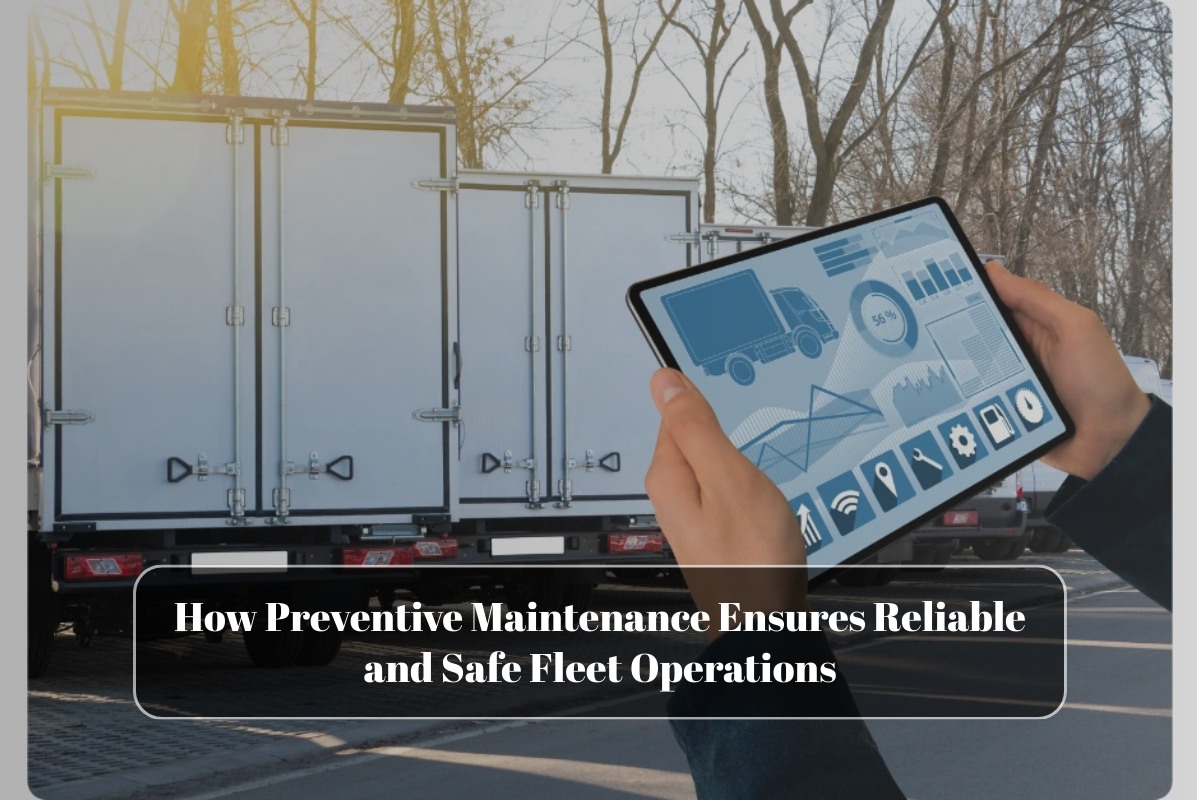
Regular inspections under FMCSA standards prevent breakdowns, which idle 20% of rigs annually and inflate repair costs beyond $10,000 per incident. Carriers with low Vehicle Maintenance BASIC scores experience fewer roadside halts, preserving delivery windows amid driver shortages. Proactive upkeep, including tire checks and brake servicing, supports just-in-time flows from ports to warehouses.
Driver Training Reduces Incidents
Comprehensive training on defensive driving and hazmat handling lowers crash rates, with experienced operators 50% less likely to cause delays from accidents. FMCSA’s SMS scores reward safe performers, granting priority lane access at congested hubs like Chicago. This expertise minimizes chain reactions, like multi-truck pileups costing millions in lost productivity.
Detention Time Management Boosts Efficiency
Safety protocols curb detention—averaging 1.4 hours per 10 stops—by streamlining dock operations, avoiding HOS pressures that spur risky speeding. FMCSA studies link reduced wait times to fewer violations, enabling drivers to meet ETAs without fatigue overrides. Efficient practices honor two-hour free windows, slashing $100/hour fees.
Cargo Securement Safeguards Schedules
Proper load bracing per FMCSA guidelines prevents shifts causing rollovers, which disrupt 5% of hauls and trigger hazmat emergencies. Securement training ensures oversized or reefer loads arrive intact, avoiding claims that delay repeat business. This reliability supports e-commerce surges, protecting $940 billion in annual trucking revenue.
Integrated Safety Tech Enhances Predictability
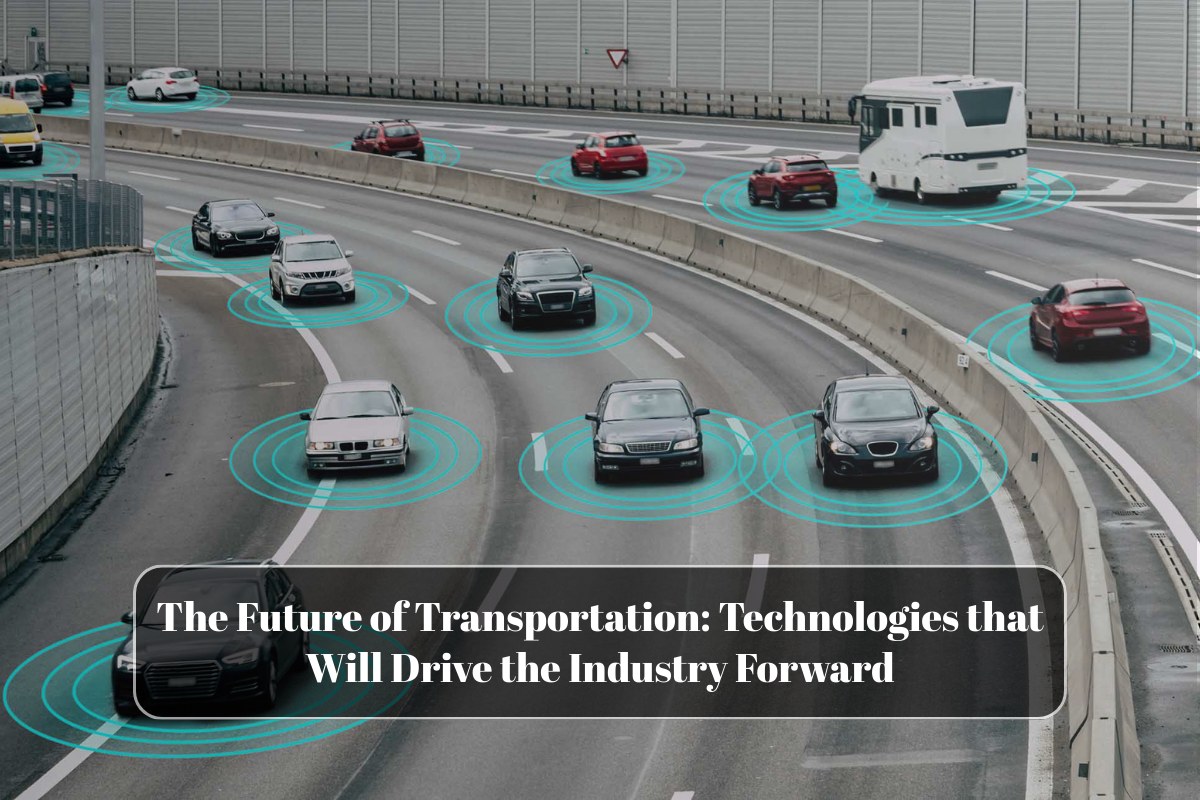
Telematics and dash cams monitor behaviors in real-time, flagging fatigue for preemptive rests and cutting safety events by 25%. Low SMS carriers face fewer audits, speeding inspections at borders or scales. Tech integration aligns with Bipartisan Infrastructure Law upgrades, fortifying resilience against weather or volume spikes.
Strong safety cultures yield dependable deliveries, turning compliance into a competitive advantage for U.S. logistics.
FAQ
Q. How do HOS rules improve delivery reliability?
They limit fatigue-driven crashes, enforced by ELDs to prevent violations delaying 13% of incidents nationwide.
Q. Why prioritize vehicle maintenance?
It averts breakdowns idling 20% of trucks, maintaining low BASIC scores for uninterrupted hauls.
Q. What training benefits safe drivers?
Defensive skills reduce accidents by 50%, earning SMS perks like priority at major hubs.
Q. How does managing detention aid safety?
Streamlined ops cut 1.4-hour waits, avoiding HOS rushes and $100/hour penalties.
Q. What role does cargo securement play?
Proper bracing prevents 5% of rollover disruptions, ensuring intact arrivals for e-commerce.