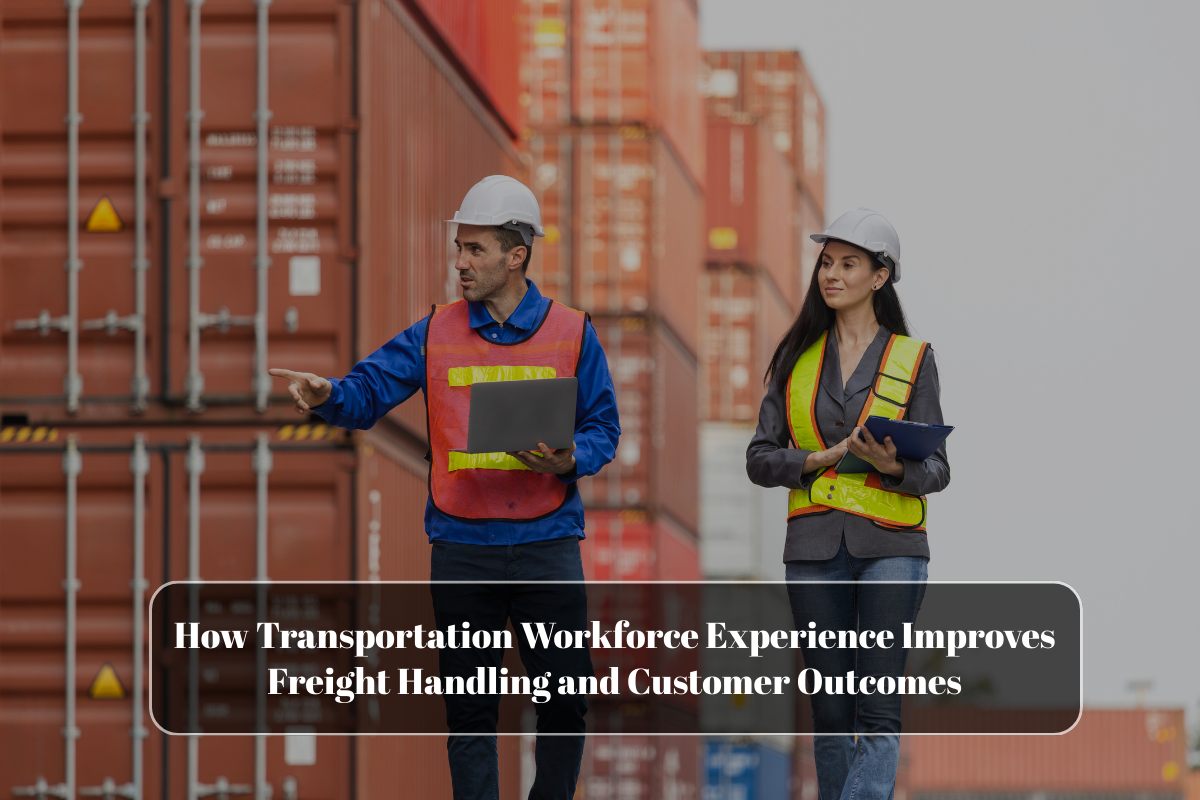
Transportation workforce experience directly boosts freight handling efficiency and customer outcomes in the U.S. by minimizing errors, enhancing safety, and enabling proactive service. Skilled drivers and handlers, supported by training programs, reduce costs and improve satisfaction amid ongoing shortages.
The Value of Experience in Freight Handling
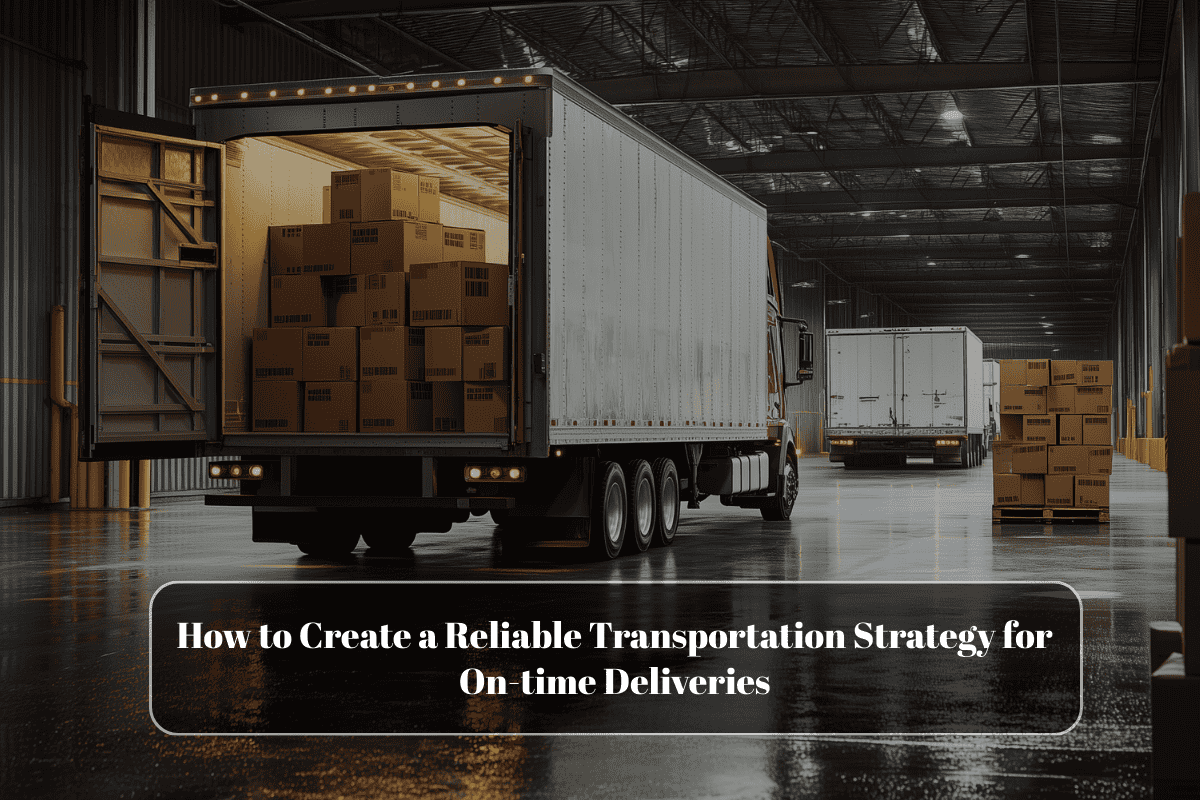
Experienced freight handlers excel in loading/unloading cargo, operating forklifts, and verifying shipments accurately. Unlike entry-level workers, they spot discrepancies quickly, preventing damage or delays that plague 20-30% of novice operations. In U.S. warehouses, pros use tools like pallet jacks efficiently, cutting handling time by up to 25% per load.
This precision scales across complex networks, from ports to last-mile delivery.
Impact on Safety and Efficiency
Veteran workers prioritize safety protocols, reducing accidents that cost the industry $170B annually. ATA’s training lowers incident rates by 40% among certified handlers. Efficiency gains include optimized load planning and consolidation, slashing freight costs without sacrificing quality.
Experienced teams handle high-volume peaks seamlessly, vital for e-commerce surges.
Training Programs Building Expertise
U.S. initiatives like ATA’s Workforce Heroes target veterans for trucking careers, providing tailored training in diesel tech and driving. On-the-job mentorship and simulators boost skills, with Driver Training Solutions cutting errors via realistic scenarios. Amazon and FedEx invest in certifications, yielding 15-20% retention hikes.
Continuous education addresses gaps, fostering adaptability.
Enhancing Customer Outcomes
Skilled workers deliver reliable service: accurate ETAs, minimal damage, and responsive issue resolution. Surveys show experienced fleets score 25% higher in satisfaction due to transparency and empowerment. Proactive communication—e.g., rerouting alerts—builds loyalty, reducing churn by 18%.
In trucking, pros minimize detention fees, improving on-time rates to 95%+.
Addressing Workforce Challenges
The U.S. faces 80K driver shortages yearly, but experienced hires via ATA/Fastport partnerships fill gaps with disciplined talent. Retention strategies like feedback surveys and career paths combat 90% turnover, sustaining expertise.
Tech augments skills, not replaces them.
Future of Skilled Freight Workforce
With ATA’s focus and veteran pipelines, the sector eyes 2030 resilience. President Trump’s infrastructure push incentivizes training, promising better handling and service.
Frequently Asked Questions (FAQ)
1. Why does workforce experience matter in freight handling?
Experienced handlers reduce loading errors and damage by 30-50%, ensuring faster, safer operations.
2. How do training programs improve outcomes?
ATA’s veteran initiatives and simulators like Driver Training Solutions build skills, cutting incidents 40% and boosting retention.
3. What’s the link to customer satisfaction?
Skilled workers provide accurate ETAs and resolutions, lifting scores 25% via proactive service.
4. How does experience lower costs?
Optimized loading and fewer claims save 20%+ on freight through efficiency.
5. What U.S. programs support workforce development?
ATA Workforce Heroes and Fastport veteran training pipelines address shortages effectively.