E-commerce has transformed how consumers shop, reshaping expectations around speed, convenience, and reliability. What once involved weekly store visits now happens with a few clicks and an expectation of rapid delivery.
This shift has placed unprecedented pressure on transportation systems, making adaptation not optional but essential. To keep pace with growing e-commerce demand, transportation networks must evolve in capacity, flexibility, technology, and sustainability.
The Surge in E-commerce Volume
Online shopping has driven a dramatic increase in parcel volume, especially small, frequent shipments. Unlike traditional retail distribution, which relied on bulk deliveries to stores, e-commerce requires transporting individual orders directly to consumers.
This change multiplies delivery points and increases the frequency of shipments, straining existing road, rail, air, and last-mile delivery systems that were not designed for such density.
Rising Expectations for Speed and Reliability
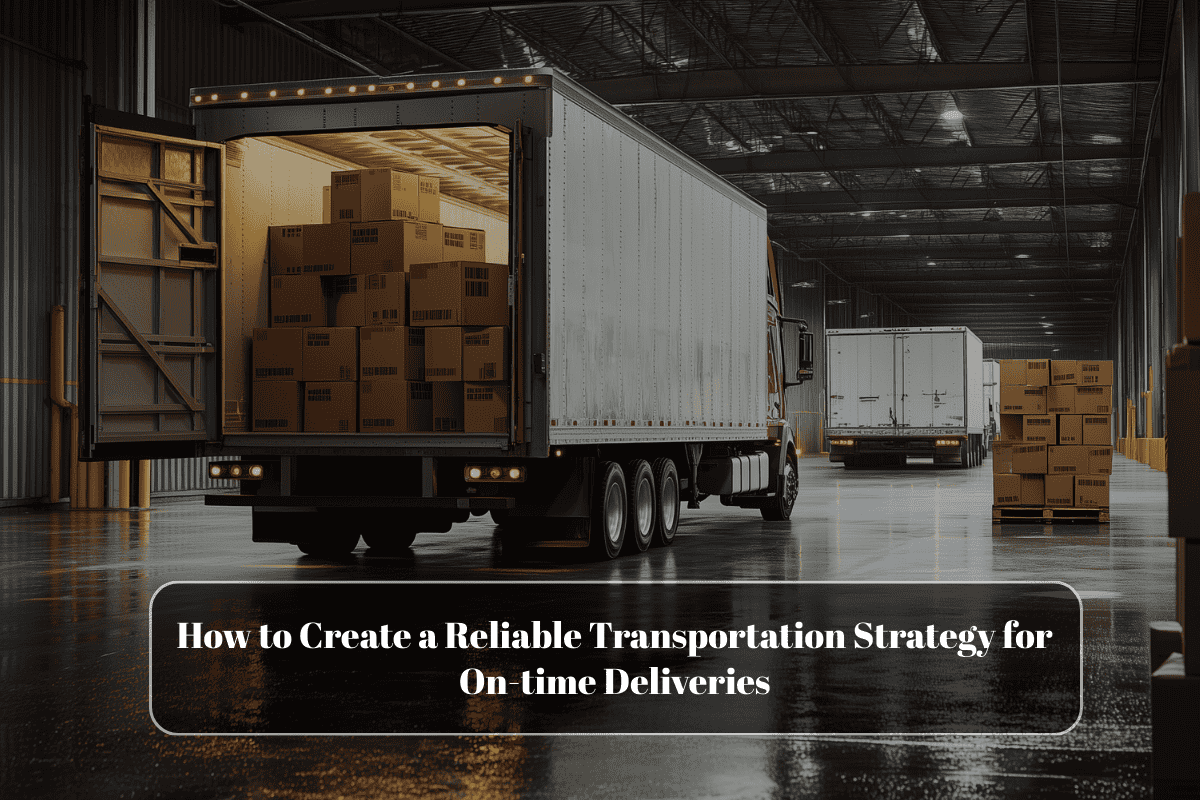
Consumers now expect fast, predictable delivery—often same-day or next-day. Meeting these expectations requires transportation systems that are highly responsive and resilient.
Delays caused by congestion, inefficient routing, or limited capacity quickly translate into customer dissatisfaction. Transportation networks must adapt by improving scheduling accuracy, reducing bottlenecks, and enabling real-time visibility across the delivery journey.
The Growing Importance of Last-Mile Delivery
The last mile is the most complex and expensive part of the e-commerce supply chain. Urban congestion, limited curb space, and rising delivery volumes make traditional delivery models increasingly inefficient.
Transportation systems must support new last-mile solutions such as micro-fulfillment centers, alternative delivery vehicles, and flexible delivery windows. Without adaptation, last-mile challenges can undermine the efficiency of the entire e-commerce ecosystem.
Infrastructure Strain and Capacity Limits
Existing transportation infrastructure faces growing strain as e-commerce traffic increases. Roads experience more delivery vehicles, airports handle higher cargo volumes, and distribution hubs operate closer to capacity.
Aging infrastructure compounds these issues. Strategic investment in roads, intermodal hubs, cargo facilities, and digital traffic management is necessary to prevent congestion from becoming a long-term barrier to economic growth.
Technology as a Critical Enabler
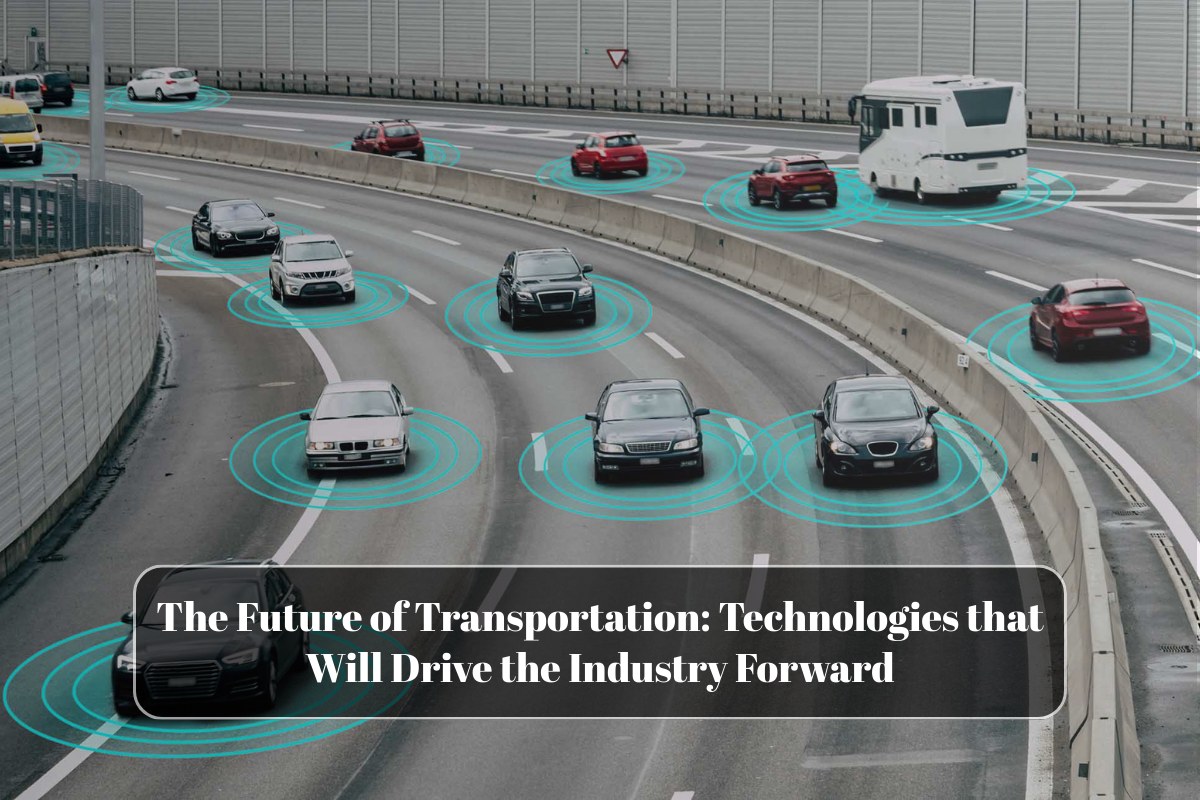
Adapting transportation systems for e-commerce requires advanced technology. Route optimization software, real-time tracking, automation, and data analytics improve efficiency and responsiveness. Intelligent transportation systems help manage traffic flow, coordinate deliveries, and reduce delays. Without digital integration, transportation networks struggle to scale alongside e-commerce growth.
Sustainability and Environmental Pressures
E-commerce growth has also increased environmental concerns due to higher vehicle emissions and urban congestion. Transportation systems must adapt with sustainability in mind by supporting electric vehicles, consolidated deliveries, and alternative transport modes. Balancing speed with environmental responsibility is becoming a critical requirement rather than a competitive advantage.
Workforce and Operational Challenges
Increased delivery demand places pressure on transportation workforces, from drivers to logistics coordinators. Labor shortages, rising costs, and safety concerns require new operational models. Adaptation includes better workforce planning, automation where appropriate, and improved working conditions to sustain long-term capacity and reliability.
Supporting Economic Resilience and Competitiveness
Efficient transportation systems are foundational to economic health. As e-commerce becomes a dominant retail channel, regions with adaptable transportation networks are better positioned to attract investment, support local businesses, and remain competitive. Failure to adapt risks higher costs, slower deliveries, and reduced consumer trust.
FAQs
Why does e-commerce place more strain on transportation systems?
Because it increases delivery frequency, shipment volume, and the number of delivery destinations.
What is the biggest transportation challenge in e-commerce?
Last-mile delivery, due to congestion, cost, and complexity.
How can technology help transportation systems adapt?
Through route optimization, real-time tracking, automation, and smarter traffic management.
Does adapting transportation systems increase sustainability?
Yes, when adaptation includes cleaner vehicles, consolidated deliveries, and efficient routing.
What happens if transportation systems do not adapt?
Delays, higher costs, reduced customer satisfaction, and long-term economic inefficiencies are likely outcomes.