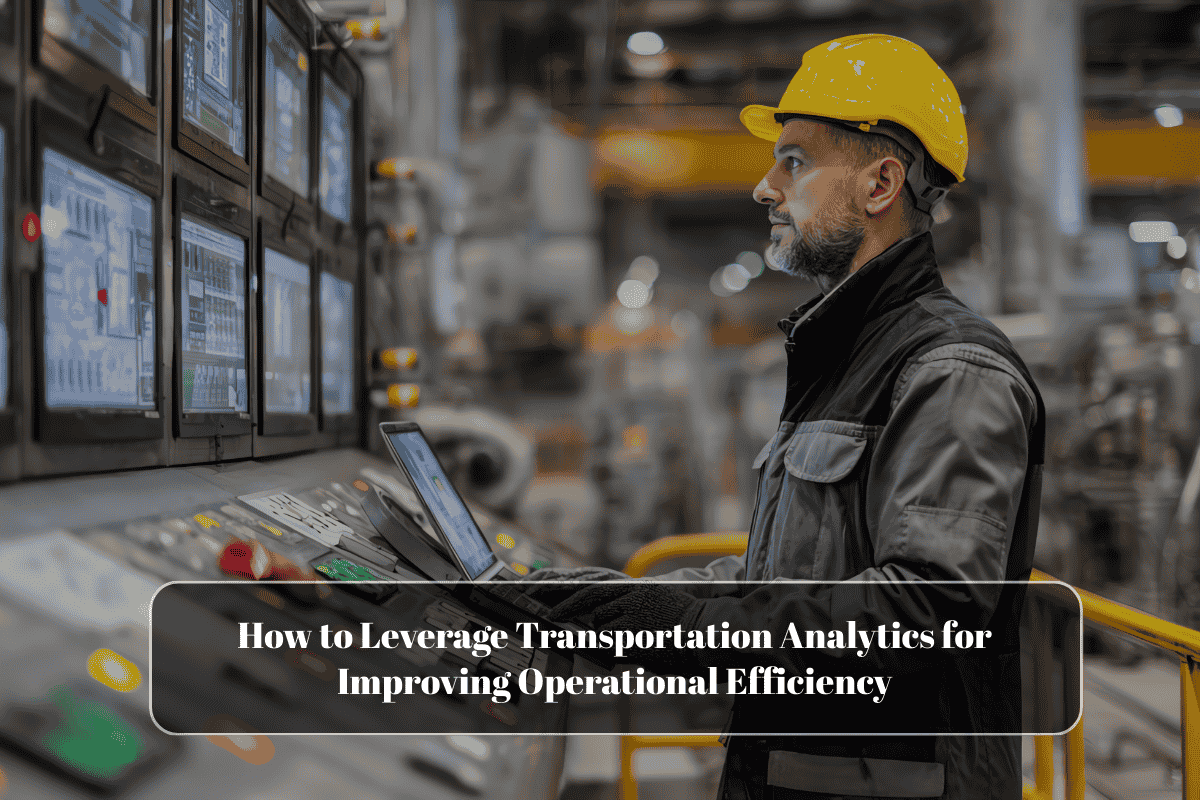
Transportation analytics harnesses data from GPS, telematics, IoT sensors, and logistics platforms to streamline operations, cut costs, and boost reliability for U.S. trucking, rail, and fleet managers. By turning raw metrics like fuel burn and idle time into actionable insights, companies achieve 10-30% efficiency gains amid rising diesel prices and driver shortages. These tools predict disruptions and optimize every mile.
Core Data Sources
GPS telematics capture real-time location, speed, and braking; ELDs log hours-of-service compliance. Fuel cards track consumption per route; weather APIs flag delays. Warehouse systems feed load data, while AI platforms aggregate for holistic views—e.g., Samsara or Geotab dashboards visualize fleet health across 1,000+ trucks.
Route Optimization
Analytics algorithms weigh traffic, weather, and load factors to shave 15-20% off miles driven; dynamic rerouting during I-95 jams saves hours. Tools like Google OR-Tools or FourKites consolidate shipments, filling 85% of trailer capacity vs. 60% manual rates, slashing empty backhauls. Predictive ETAs within 15 minutes accuracy improve customer satisfaction by 25%.
Predictive Maintenance
Telematics spot anomalies—e.g., rising engine temps signal failures 48 hours early—cutting breakdowns 30% and extending tire life via pressure monitoring. Vibration sensors on reefer units prevent spoilage; downtime drops from days to hours, saving $500 per incident.
Fuel and Cost Efficiency
Idling analytics flag wasteful habits, reducing usage 10-15%; eco-routing favors highways over stops. Benchmarking driver scores (via GreenRoad) incentivizes safe acceleration, yielding 5-8% savings. Carbon tracking supports ESG reporting, unlocking grants for green fleets.
Fleet Performance Dashboard
ROI hits 300% in year one for mid-size fleets.
Risk and Compliance Management
Real-time alerts for HOS violations prevent $1,000+ fines; anomaly detection flags theft risks. Demand forecasting aligns capacity to peaks, avoiding overstaffing—e.g., holiday surges via machine learning.
Implementation Steps
- Audit data sources (GPS, ELD, ERP). 2. Select scalable platform ($50-200/vehicle/month). 3. Train drivers on telematics apps. 4. Set KPIs, review monthly. 5. Scale with AI add-ons. Start small: pilot 20% fleet for proof.
Case Study
A Midwest LTL carrier used analytics to optimize 500 trucks, cutting fuel 18%, routes 12%, and delays 40%—annual savings topped $2M.
FAQs
Q. What data drives transport analytics?
GPS, telematics, fuel logs, weather for real-time insights.
Q. How much efficiency gain?
10-30% in fuel, routes, maintenance.
Q. Best starter tool?
Geotab or Samsara for fleets under 100.
Q. Predictive maintenance ROI?
30% fewer breakdowns, $500/incident saved.