Automation is rapidly transforming the transportation and freight industry, redefining how goods are moved, managed, and delivered across the globe. Driven by advances in artificial intelligence, robotics, data analytics, and connectivity, automated systems are increasing efficiency, improving safety, and reshaping operational models. As global trade volumes rise and customer expectations for speed and reliability intensify, automation is becoming a critical foundation for the future of transportation and freight services.
The Role of Automation in Modern Freight Operations
Automation in freight services refers to the use of technology to perform tasks that traditionally relied on manual labor or human decision-making. These tasks include vehicle operation, cargo handling, route planning, inventory tracking, and system monitoring.
Rather than replacing human involvement entirely, automation augments human capabilities by handling repetitive, data-intensive, or high-risk activities. This allows organizations to operate more consistently while focusing human expertise on strategic oversight and exception management.
Autonomous Vehicles and Their Impact on Freight Transport
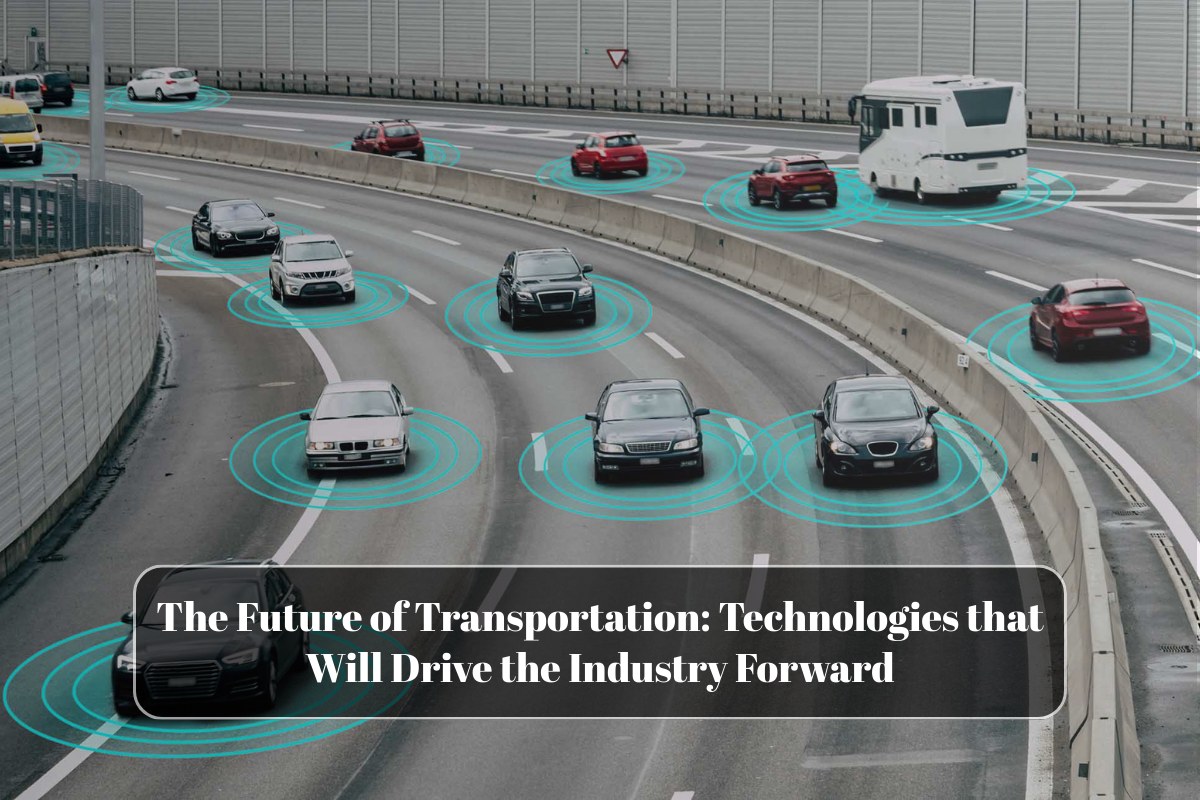
One of the most visible advancements in automation is the development of autonomous and semi-autonomous vehicles. In freight transportation, these technologies are being applied to long-haul trucking, yard operations, and port transport.
Autonomous systems can optimize driving behavior, reduce fatigue-related incidents, and improve fuel efficiency through precise control and real-time adjustments. While full autonomy is still evolving, assisted-driving technologies are already enhancing safety and reliability across freight networks.
Automation in Warehousing and Cargo Handling
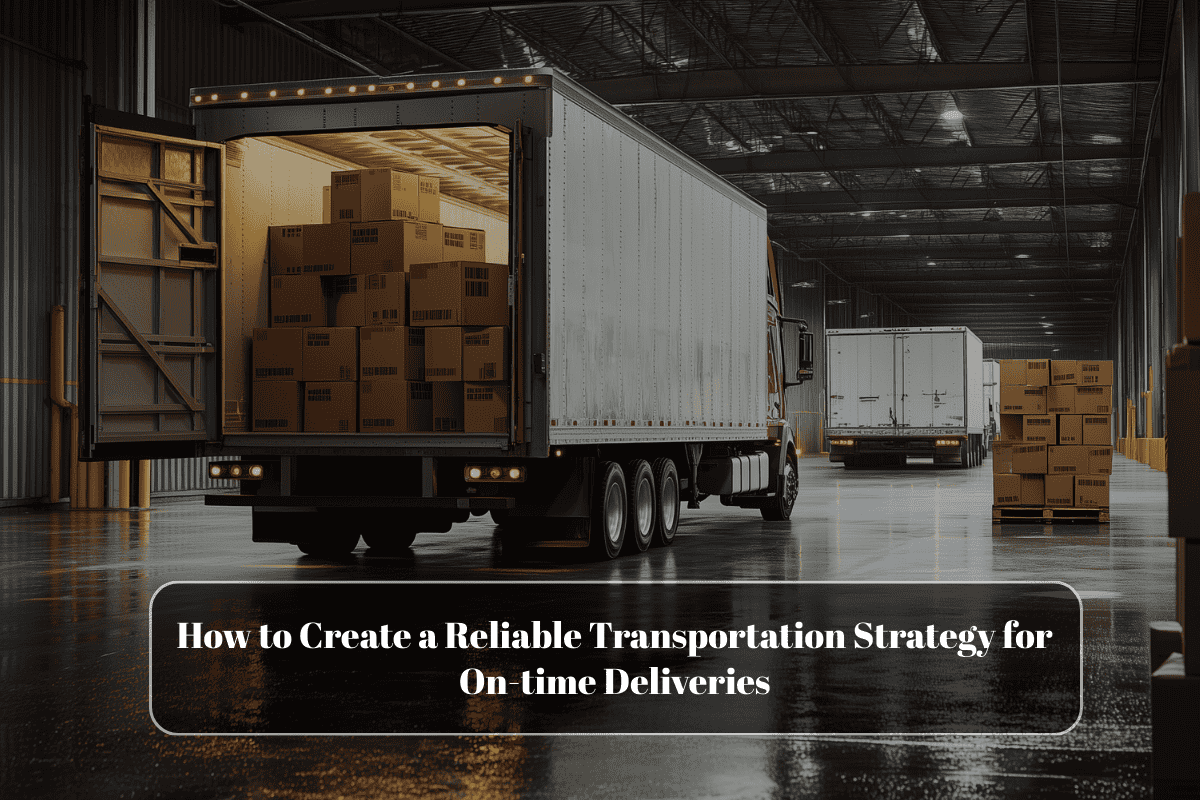
Warehouses and distribution centers are central to freight operations, and automation is reshaping these environments at scale. Robotic systems now handle tasks such as sorting, picking, palletizing, and loading with high speed and accuracy.
Automated cargo handling reduces processing time, minimizes errors, and improves space utilization. These systems also enhance worker safety by reducing exposure to heavy lifting and hazardous conditions, creating more resilient and efficient logistics hubs.
Smart Ports and Intermodal Efficiency
Ports are critical nodes in global supply chains, and automation is significantly improving their performance. Automated cranes, guided vehicles, and digital scheduling systems streamline cargo movement between ships, trucks, and rail.
By reducing congestion and dwell times, smart port technologies improve throughput and reliability. Automation also enables better coordination across intermodal networks, ensuring smoother transitions between different transportation modes.
Data-Driven Route Optimization and Predictive Planning
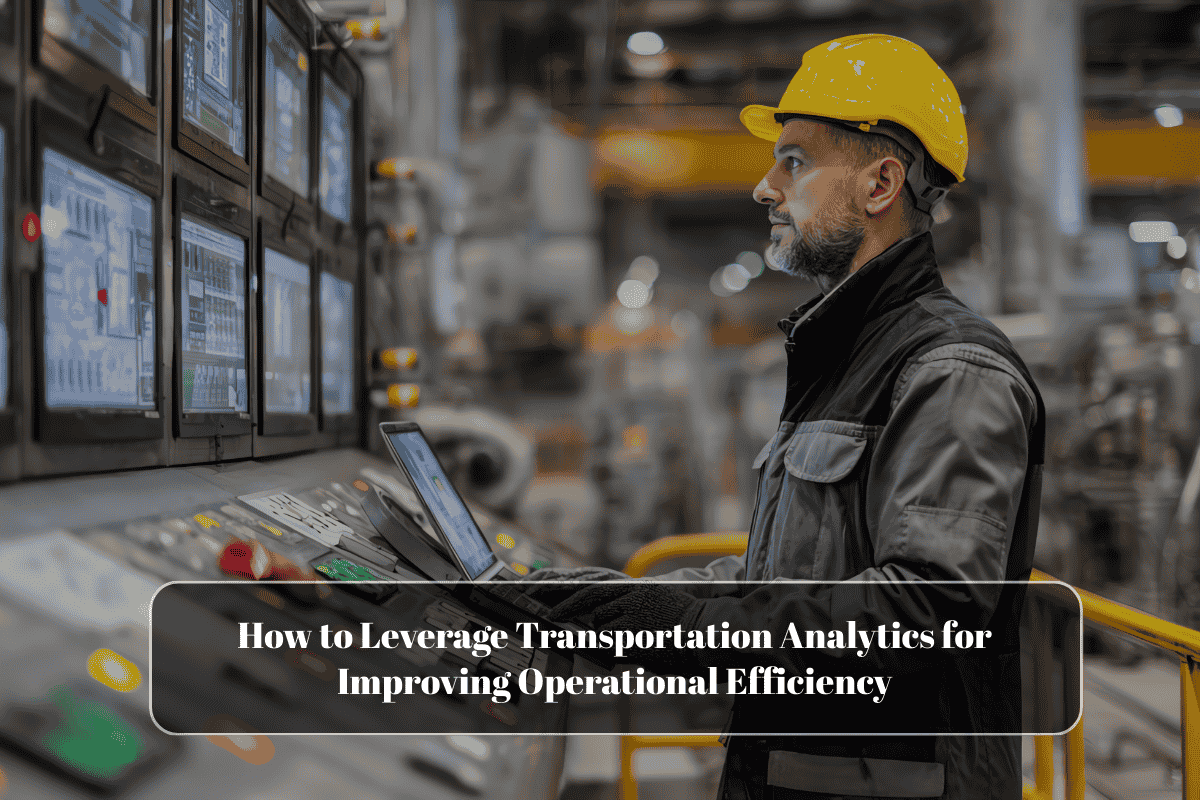
Automation is deeply connected to data. Advanced algorithms analyze traffic patterns, weather conditions, fuel costs, and delivery priorities to optimize routing and scheduling.
Predictive analytics help freight operators anticipate disruptions, plan capacity, and adjust operations proactively. This level of foresight reduces delays, lowers operating costs, and improves service reliability in increasingly complex logistics environments.
Enhancing Safety and Risk Management
Safety is a major driver of automation adoption in transportation. Automated monitoring systems track vehicle performance, driver behavior, and environmental conditions in real time.
Early detection of mechanical issues, optimized braking systems, and collision avoidance technologies significantly reduce accident risk. Automation also supports regulatory compliance by maintaining accurate records and monitoring adherence to safety standards.
Addressing Workforce and Skills Transformation
Automation is changing workforce requirements rather than eliminating them. As routine tasks become automated, demand grows for roles focused on system oversight, maintenance, data analysis, and decision-making.
Training and upskilling are essential to ensure workers can adapt to new technologies. Organizations that invest in workforce development alongside automation are better positioned to achieve sustainable transformation.
Sustainability and Environmental Impact
Automated systems contribute to sustainability by improving fuel efficiency, reducing idle time, and optimizing load utilization. Precise control and data-driven planning lower emissions and support environmental goals.
In the long term, automation enables more efficient supply chains that reduce waste and energy consumption, aligning transportation growth with sustainability objectives.
Challenges and Responsible Implementation
Despite its benefits, automation introduces challenges, including high initial investment, cybersecurity risks, regulatory uncertainty, and integration complexity. Responsible implementation requires careful planning, robust governance, and collaboration across stakeholders.
Balancing innovation with safety, ethics, and workforce considerations is essential for building trust and achieving long-term success.
The Road Ahead for Transportation and Freight Services
Automation is not a single destination but an ongoing evolution. As technologies mature and systems become more interconnected, transportation and freight services will continue to gain efficiency, resilience, and adaptability.
Organizations that embrace automation strategically—integrating technology with human expertise—will be better equipped to meet future demands and navigate an increasingly dynamic global logistics landscape.
FAQs
What is automation in transportation and freight services?
It involves using technologies such as AI, robotics, and data analytics to automate driving, cargo handling, routing, and operational management.
Will automation replace human workers in freight services?
Automation shifts roles rather than eliminates them, increasing demand for technical, analytical, and oversight skills.
How does automation improve freight efficiency?
It reduces errors, optimizes routes, speeds up cargo handling, and enables predictive planning.
Is automation improving safety in transportation?
Yes. Automated monitoring and control systems reduce accidents, detect issues early, and support safer operations.
What challenges come with adopting automation in freight?
Key challenges include investment costs, cybersecurity risks, regulatory complexity, and the need for workforce upskilling.