Transportation is the backbone of global trade, enabling the seamless movement of goods across borders and powering economic growth worldwide. Efficient logistics networks reduce costs, shorten delivery times, and connect producers to consumers, making international commerce possible on a massive scale.
Multimodal Freight Systems
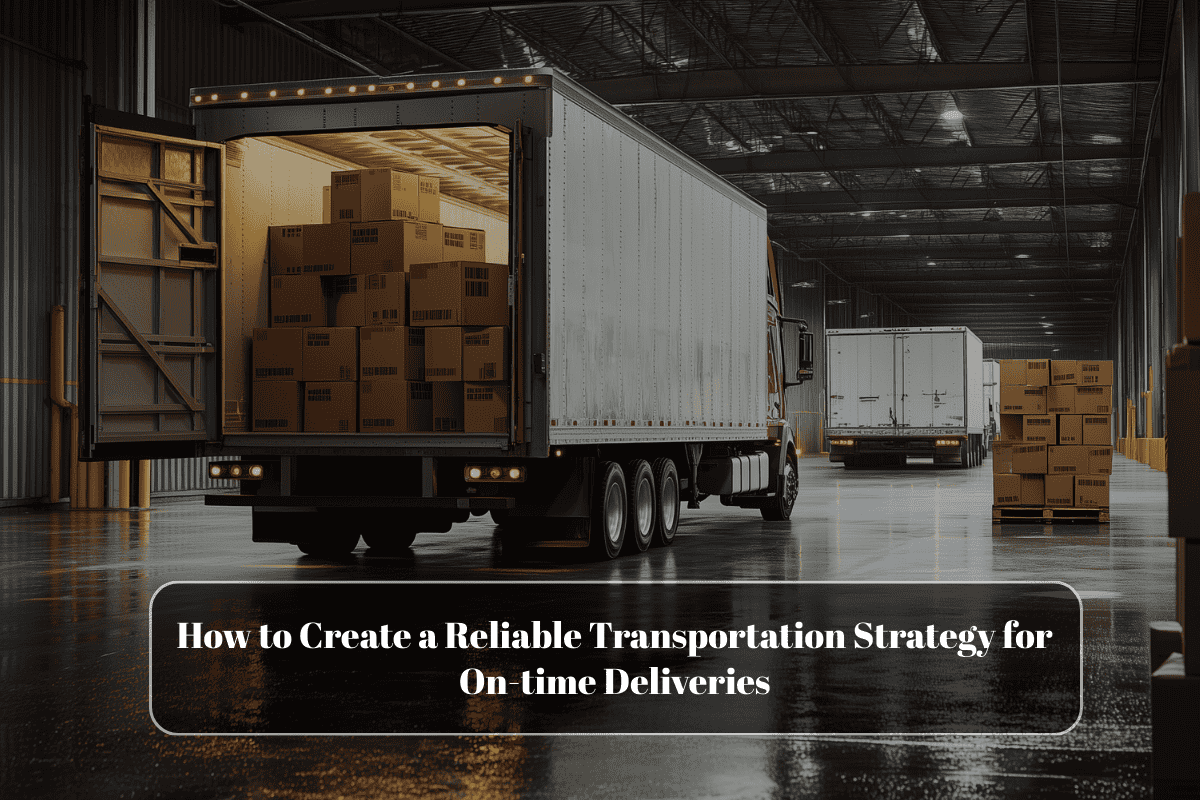
Global trade relies on integrated chains combining ocean shipping for bulk cargo (90% of goods by volume), air freight for high-value items, rail for inland hauls, and trucks for last-mile delivery. Freight forwarders coordinate these modes, negotiating rates, consolidating loads, and handling customs to cut transit times by 20-35%. Hubs like Singapore, Rotterdam, and Hawaii’s ports act as gateways, streamlining flows from Asia to the Americas.
Infrastructure’s Critical Role
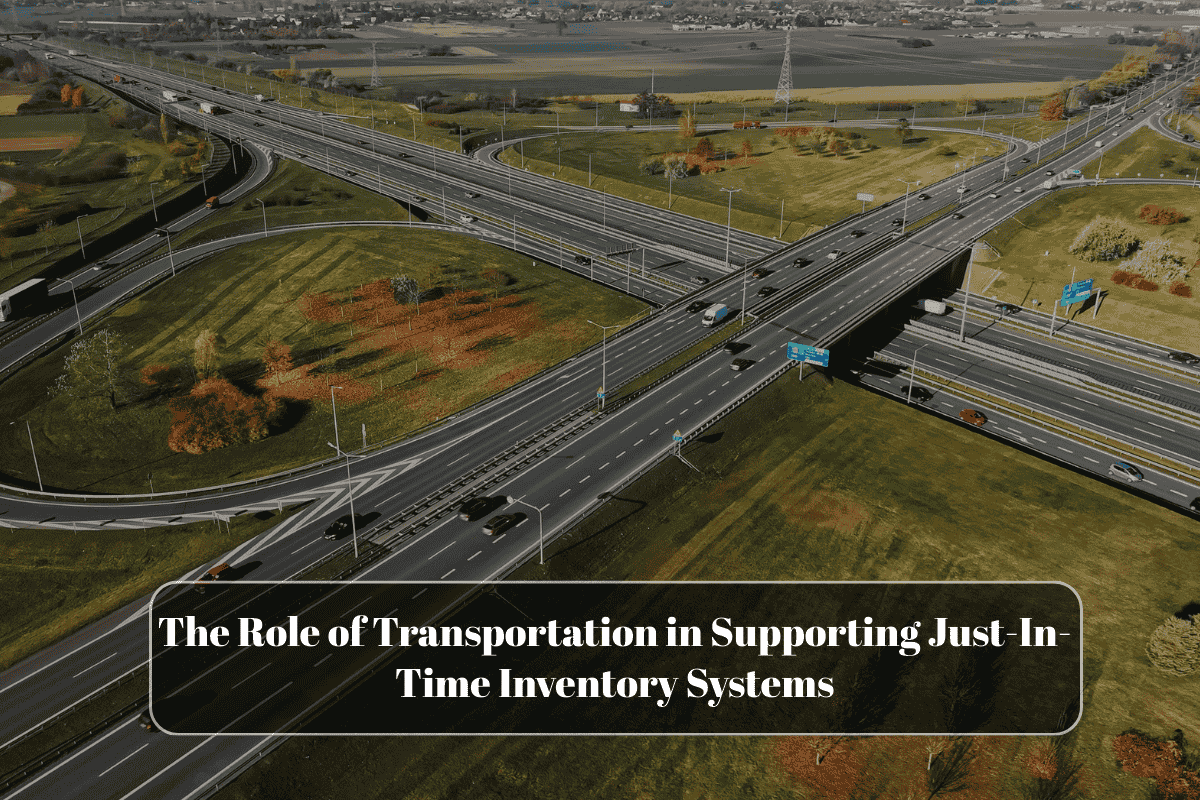
Ports, airports, roads, and rail lines form the physical arteries of trade; well-developed systems lower shipping costs and boost competitiveness. For example, efficient infrastructure can reduce delivery times while complying with tariffs and regulations, supporting supply chain resilience amid disruptions like pandemics or geopolitics.
Technology and Real-Time Tracking
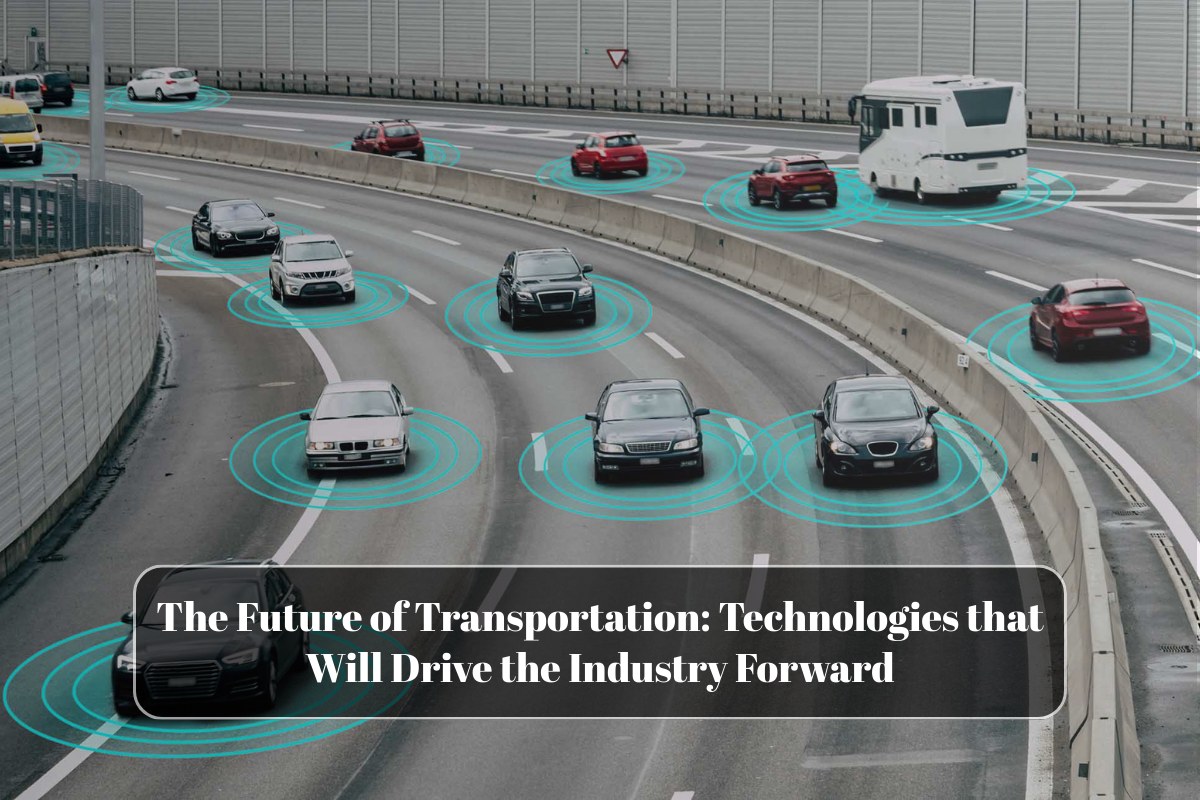
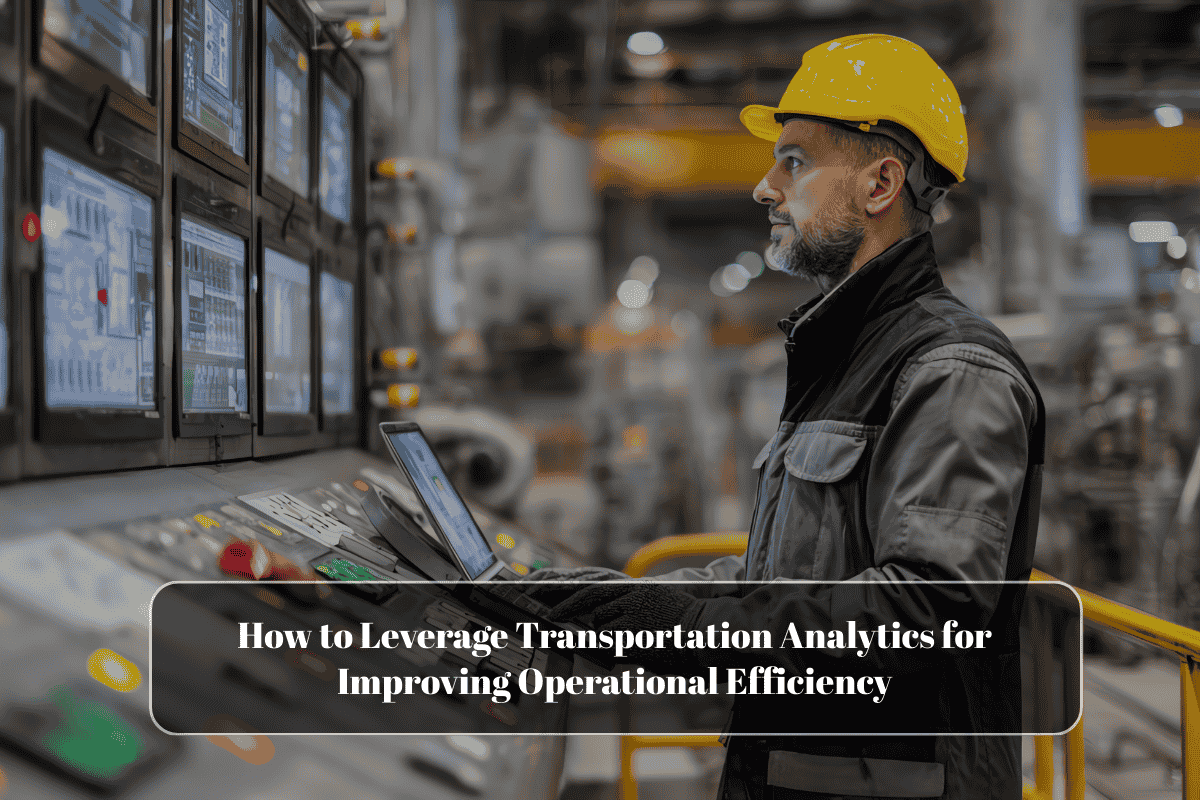
Digital tools—IoT sensors, GPS, blockchain for documentation—enable visibility, predictive routing, and automated customs, slashing delays and errors. Multimodal platforms optimize routes, like air-ocean hybrids for Pacific trade, improving margins by 20% for exporters.
Economic and Trade Impacts
Strong logistics correlates with trade growth; enhancements in performance can boost international volumes significantly while fostering market access. Challenges like congestion or protectionism underscore the need for resilient networks, where forwarders provide expertise in compliance and risk mitigation.
Sustainability Push
Green shipping—electric trucks, low-emission vessels—addresses trade’s 14% of global CO2, with investments in infrastructure promoting efficiency. For community or construction sectors reliant on imports, reliable transport ensures timely materials without waste.
FAQ
1. Why is ocean shipping dominant in trade?
Handles 90% of volume at low cost for bulk goods.
2. How do freight forwarders help?
Coordinate modes, customs, rates for efficiency.
3. What role do logistics hubs play?
Gateways like Singapore speed transits and services.
4. How does tech improve trade flow?
Real-time tracking cuts delays and costs.
5. Can better transport boost economies?
Yes, via faster market access and lower costs.