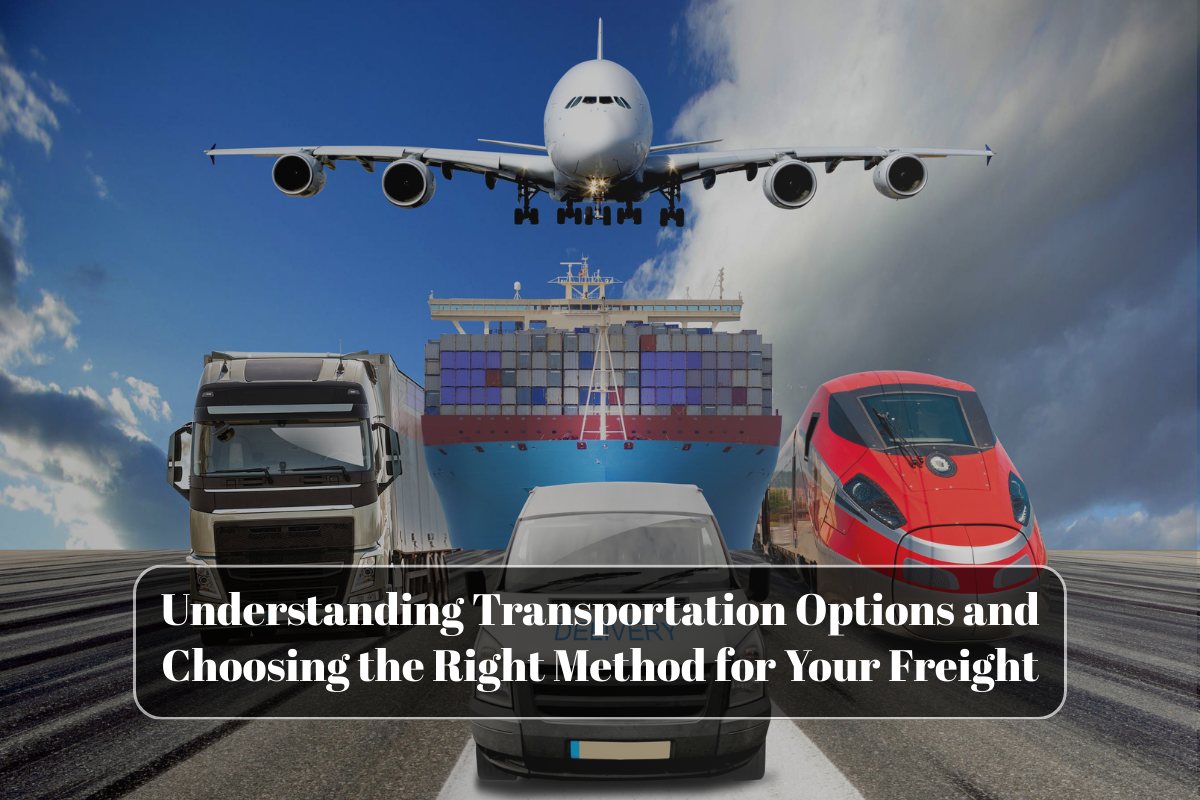
US businesses rely on diverse freight modes like trucking, rail, air, ocean, and intermodal to move goods efficiently, balancing cost, speed, and capacity amid 2025’s supply chain demands. Selecting the optimal method hinges on shipment specifics, distance, and urgency, with trucking dominating domestic hauls while ocean leads international bulk.
Trucking: The Flexible Backbone
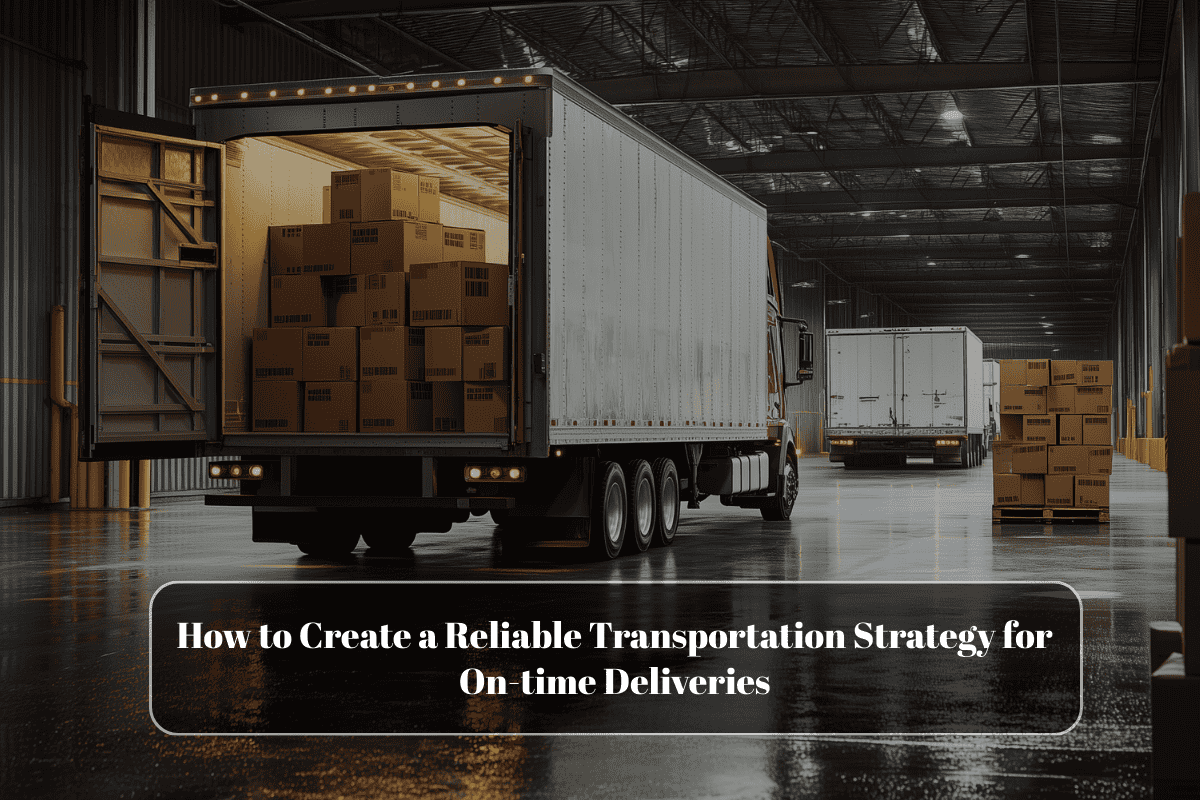
Trucking handles over 70% of US domestic freight by value, offering door-to-door service ideal for short-to-medium distances under 750 miles. Less-than-truckload (LTL) suits partial loads, while full truckload (FTL) maximizes efficiency for regional routes, though traffic and fuel costs rise over long hauls. Refrigerated options support perishables, making it versatile for e-commerce last-mile despite driver shortages.
Rail: Cost-Effective for Bulk Long-Haul
Rail moves about 25-30% of US freight tonnage, excelling in heavy, bulky commodities like coal or intermodal containers over 500+ miles. It cuts emissions by 75% versus trucks and lowers costs for high-volume shipments, but requires terminal access and drayage to final destinations. Platooning tech boosts reliability, positioning it for Midwest-to-coast corridors.
Air Freight: Speed for High-Value Goods
Air transport claims 1-2% of US freight volume but 30%+ by value, perfect for urgent, perishable, or electronics needing 1-2 day delivery. Airport security enhances safety, yet high costs and weight limits restrict it to lightweight, time-critical cargo like pharmaceuticals. FedEx and UPS hubs amplify its role in express networks.
Ocean Freight: Global Volume Leader
Ocean carriers transport 80-90% of international US freight by volume, offering the lowest per-unit cost for containers (FCL/LCL) across Pacific or Atlantic routes. Port infrastructure supports oversized loads, but 20-40 day transits and congestion at gateways like LA/Long Beach demand buffer planning. It’s eco-friendly for non-urgent bulk like consumer goods.
Intermodal and Pipeline: Hybrid Efficiency
Intermodal combines truck-rail-ocean for seamless US networks, reducing costs 15-20% on long hauls while leveraging each mode’s strengths. Pipelines dominate energy products like oil, providing steady, low-maintenance flow outside general freight. Digital platforms optimize handoffs, minimizing delays.
Key Factors in Mode Selection
Evaluate distance, cargo type, budget, and timelines: trucking wins regionally, rail/ocean for bulk long-distance, air for urgency. Tools like freight calculators weigh emissions, capacity (trucks: 40-50k lbs; rail: millions), and regulations from FMCSA/DOT on hours-of-service. Sustainability pushes low-emission intermodal amid EPA rules.
Cost and Performance Comparison
Intermodal often hybridizes for balance, cutting total spend.
Emerging Trends and Tips
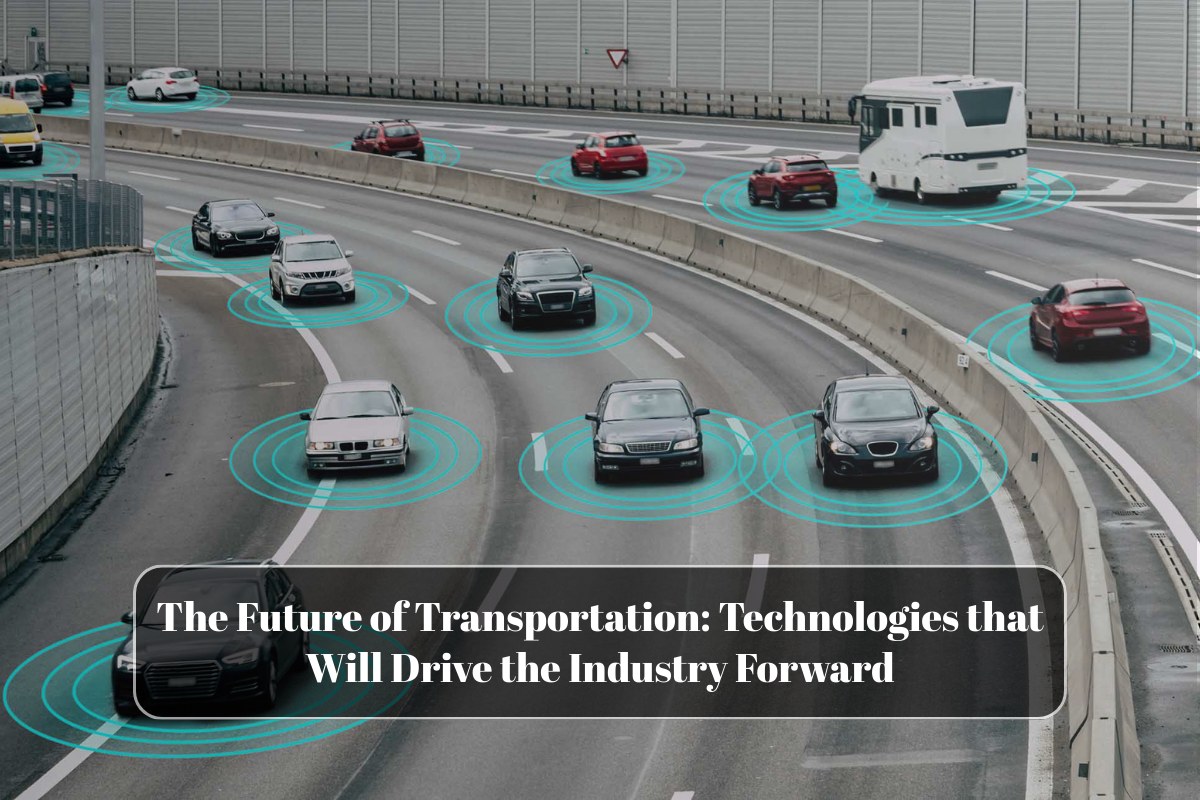
2025 sees autonomous trucks and drones enhancing trucking/air, while blockchain tracks intermodal. Businesses should audit volumes, partner 3PLs for multimodal bids, and use TMS software for real-time rates. Pilot tests ensure fit, prioritizing resilience over cheapest options.
FAQs
Q1. When should US businesses choose trucking over rail?
Opt for trucking under 750 miles needing flexibility; rail suits bulk over 500 miles for cost savings.
Q2. What makes air freight viable despite high costs?
Its speed justifies use for time-sensitive, high-value goods like electronics or meds.
Q3. How does intermodal reduce freight expenses?
Combines modes for 15-20% savings on long hauls via efficient handoffs.
Q4. Why dominate ocean for international US shipments?
Lowest cost per ton handles 80% global volume, ideal for non-urgent containers.
Q5. What regulations affect freight mode choices?
FMCSA hours-of-service limit trucking; EPA emissions favor rail/ocean.