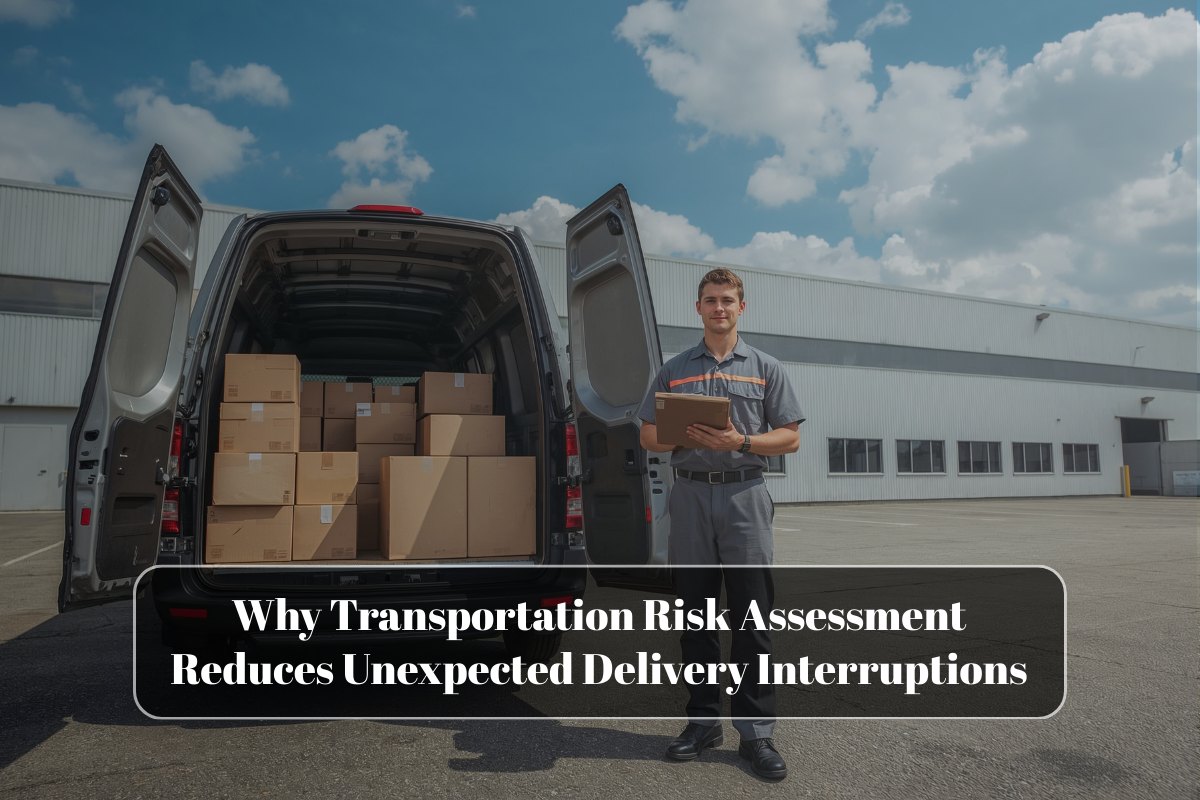
Transportation risk assessment reduces unexpected delivery interruptions by identifying threats before they occur, prioritizing them, and putting controls in place to keep freight moving safely and on time. By systematically assessing routes, equipment, processes, and external conditions, logistics teams can prevent many delays that would otherwise surprise customers and disrupt the wider supply chain.
What is transportation risk assessment?
Transportation risk assessment is a structured process used by shippers, carriers, and logistics providers to identify, evaluate, and mitigate risks that could affect the movement of goods. It looks at factors such as route conditions, weather, traffic, theft hotspots, vehicle reliability, driver performance, regulatory constraints, and infrastructure bottlenecks.
Typically, organizations list potential hazards, estimate the likelihood and impact of each, and then decide which controls—such as alternative routes, safety protocols, monitoring tools, or insurance—are needed. This proactive approach forms the backbone of transportation risk management programs that aim to keep deliveries safe, compliant, and predictable.
How risk assessment prevents delivery interruptions
Unexpected interruptions usually arise from causes that were either unseen or underestimated—such as severe weather, accidents, congestion, theft, or equipment failure. Risk assessment reduces these surprises by forcing organizations to scan for such issues in advance and prepare mitigation strategies.
Key ways it prevents interruptions include:
- Proactive incident prevention: By spotting high-risk routes, vulnerable cargo types, or recurring operational weaknesses, companies can act before incidents occur—rerouting, rescheduling, or adding safeguards.
- Better route and schedule design: Assessments that include traffic patterns, seasonal weather, and infrastructure constraints help planners choose routes and transit times that are more resilient to disruption.
- Stronger contingency planning: Once critical risks are known, companies can pre-plan backup carriers, alternate modes, or emergency procedures, reducing downtime when issues arise.
As a result, fewer shipments are delayed or damaged, and those that are affected can often be recovered faster because response plans already exist.
Operational and business benefits
Reducing delivery interruptions is not just a service-level issue; it has direct financial and strategic implications.
Key benefits include:
- Higher on-time performance: Effective risk assessment boosts the probability that goods arrive on schedule and in good condition, which is critical in just-in-time and e‑commerce environments.
- Lower direct and indirect costs: Preventing accidents, delays, and damage avoids expenses such as emergency transport, detention fees, penalties, and claims, improving profitability.
- Stronger supply chain continuity: One missed delivery can cause ripple effects in production, inventory, and downstream customers; robust risk management helps maintain flow and business continuity.
- Improved reputation and customer satisfaction: Shippers and carriers that consistently manage risk are perceived as reliable partners, enhancing loyalty and competitive advantage.
Over time, organizations that embed risk assessment into their transportation planning often see better safety records, lower insurance costs, and more stable operations.
Data, technology, and continuous improvement
Modern transportation risk assessment increasingly relies on data analytics, telematics, and real-time monitoring. Historical incident data, GPS tracking, weather feeds, and traffic information are used to quantify route risk, predict potential disruptions, and refine mitigation strategies.
Examples of technology-enabled practices include:
- Route risk scoring based on historical accidents, congestion, and crime data.
- Predictive analytics to forecast disruptions and adjust plans before delays occur.
- Checklists and digital audits to standardize risk reviews for vehicles, drivers, and routes.
Because risk environments change—new regulations, infrastructure work, geopolitical issues—assessments must be reviewed regularly and updated after incidents or operational changes. This continuous loop of assessment, mitigation, monitoring, and review steadily reduces the likelihood of “unexpected” interruptions over time.
FAQs
1. What types of risks are usually considered in transportation risk assessment?
Common risk categories include weather events, traffic congestion, road quality, accidents, theft, cargo damage, driver fatigue, equipment failure, regulatory delays, and geopolitical disruptions. Each risk is evaluated for likelihood and potential impact on safety, cost, and service.
2. How often should transport risks be reassessed?
Best practice is to review risk assessments regularly—at least annually—and whenever there are changes in routes, cargo types, regulations, or after significant incidents. Dynamic environments, such as international or high-value logistics, may require more frequent reviews.
3. Does risk assessment only benefit large logistics providers?
No. Small and mid-sized shippers or carriers also gain from fewer incidents, lower costs, and more reliable service when they systematically evaluate and mitigate transport risks. Even simple checklists and basic data analysis can make a noticeable difference in performance.
4. How does transportation risk assessment relate to customer satisfaction?
When cargo arrives on time and undamaged, customers experience fewer stockouts, fewer production disruptions, and higher confidence in their logistics partners. Consistently managing risk supports reliable delivery promises, which directly boosts satisfaction and long-term relationships.
5. What role does insurance play compared to risk assessment?
Insurance transfers financial risk but does not prevent incidents; risk assessment aims to avoid or reduce the frequency and severity of events in the first place. An integrated approach uses both: proactive risk management to minimize disruptions and insurance as a safety net for unavoidable losses.