Transportation technology revolutionizes logistics by integrating GPS, IoT, AI, and real-time analytics to deliver unprecedented visibility, efficiency, and reliability in tracking, routing, and performance monitoring. These innovations address longstanding challenges like delays, fuel waste, and poor visibility, enabling businesses to cut costs, boost customer satisfaction, and streamline operations across global supply chains.
Enhanced Tracking Capabilities
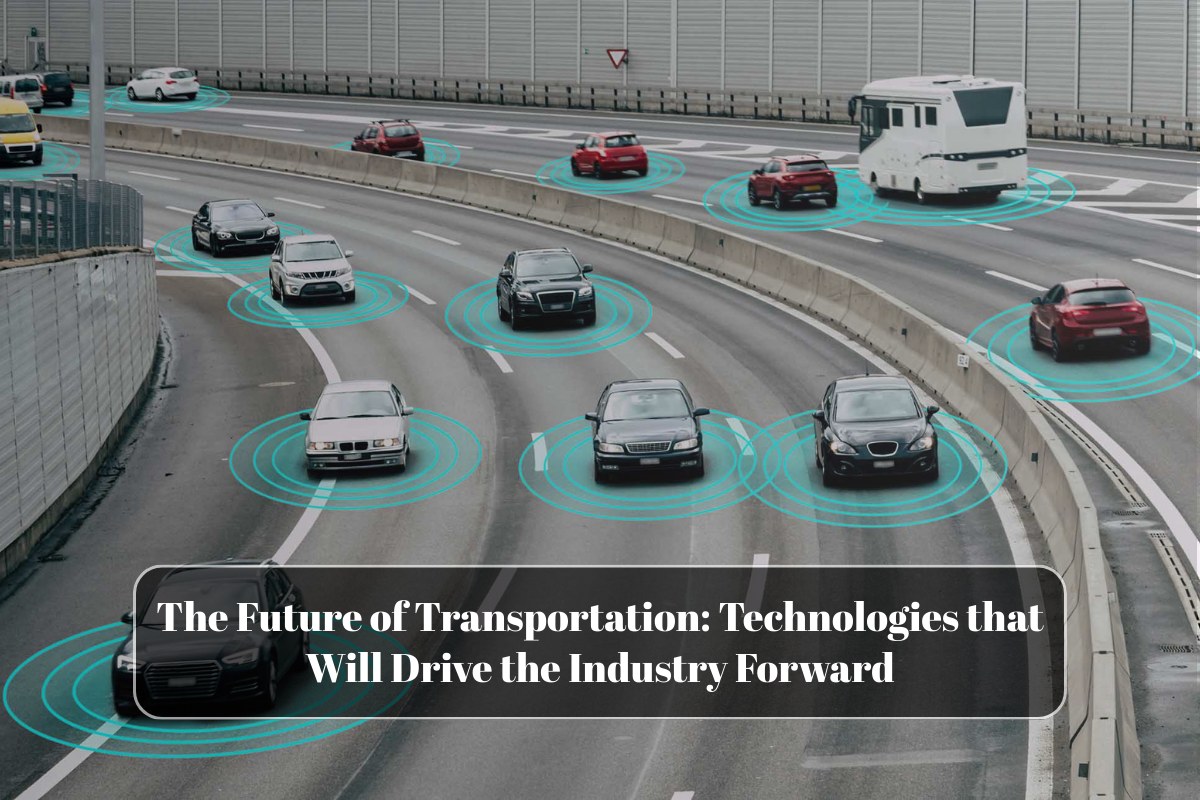
Real-time tracking forms the backbone of modern transportation tech, powered by GPS, RFID, and IoT sensors that provide precise location data for vehicles, shipments, and assets. Telematics systems transmit vehicle positions, speed, and environmental conditions instantly, allowing fleet managers to monitor every leg of the journey from warehouse to delivery.
This visibility prevents losses through geofencing alerts for unauthorized deviations and supports tamper-proof blockchain integration for high-value goods. In last-mile delivery, customers receive live ETAs, reducing inquiries and enhancing trust, while RFID tags enable granular item-level tracking in warehouses. Companies using these tools report up to 30% fewer delays and improved supply chain security.
Advanced Routing Optimization
AI and machine learning drive dynamic routing by analyzing traffic, weather, road conditions, and delivery windows in real time. Route optimization software calculates the fastest, most fuel-efficient paths, factoring in vehicle capacity, driver schedules, and regulatory compliance to minimize empty miles.
GIS mapping and cloud-based big data process vast datasets for predictive rerouting—such as avoiding accidents or storms—saving hours per trip. Integration with Transportation Management Systems (TMS) automates dispatch, reducing manual planning errors by 40% in some cases. For urban fleets, adaptive systems like those in Barcelona’s PMIB platform synchronize public transit and private vehicles for seamless multimodal routing.
Comprehensive Performance Monitoring
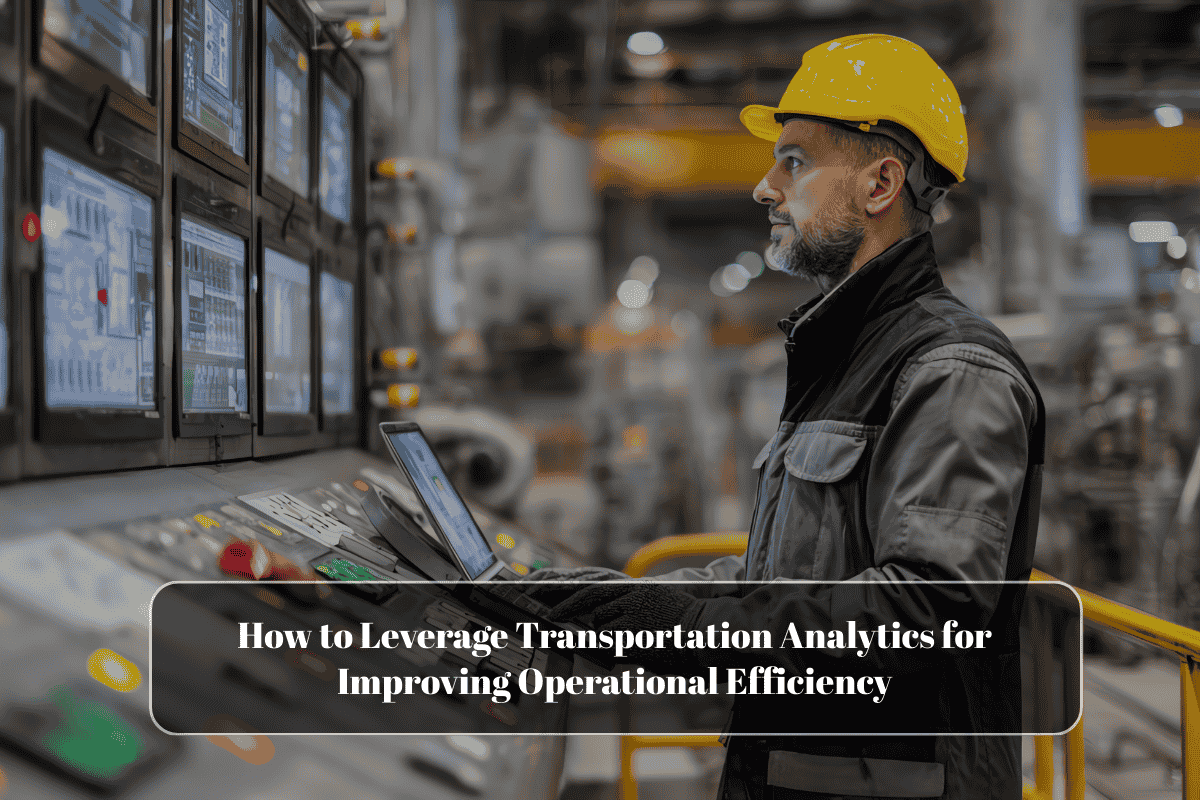
Performance monitoring leverages IoT sensors and telematics for holistic insights into fleet health, driver behavior, and operational metrics. Dashboards track fuel consumption, engine diagnostics, and harsh braking events, enabling predictive maintenance that cuts downtime by 20-25%.
Advanced analytics generate KPIs like on-time delivery rates, cost per mile, and compliance scores, helping identify inefficiencies such as over-speeding or idling. AI forecasts disruptions using historical data, while real-time alerts notify managers of issues like low battery in trackers or temperature spikes for perishables. This data-driven approach supports continuous improvement, with tools like Delego’s GPS systems storing trip histories for long-term benchmarking.
Real-World Benefits and Case Studies
These technologies yield measurable gains: GPS-IoT combos reduce fuel costs by 15-20% via optimized routes and cut theft through instant alerts. In Los Angeles, the Adaptive Traffic Control System (ATCS) uses AI for signal optimization, slashing citywide travel times by 10% and boosting safety.
A delivery firm with 20 trucks adopted telematics for real-time tracking, enabling traffic-based rerouting and proactive maintenance that improved fuel efficiency. Healthcare logistics benefits from monitored pharma shipments, ensuring cold-chain integrity with GPS alerts. Overall, AI-robotics integrations promise 40% productivity gains by 2035.
Future Trends and Implementation Tips
Emerging trends include drone-assisted tracking, 5G for ultra-low latency, and AI predictive analytics for autonomous fleets. To implement, start with GPS-telematics pilots, integrate with existing TMS, and train staff on dashboards. Cloud platforms ensure scalability, while APIs enable seamless data sharing across partners.
Frequently Asked Questions (FAQ)
1. How does GPS improve tracking accuracy?
GPS provides pinpoint location via satellites, enhanced by IoT for condition monitoring like temperature or vibration, delivering sub-meter precision in real time.
2. What AI tools optimize routing?
AI/ML algorithms process traffic, weather, and constraints to generate dynamic routes, reducing travel time by 20-30% compared to static planning.
3. Can performance monitoring reduce costs?
Yes, by enabling predictive maintenance, fuel optimization, and behavior coaching, firms save 15-25% on operations and prevent breakdowns.
4. What challenges arise with these technologies?
Data overload and integration issues; overcome via user-friendly dashboards and phased rollouts with vendor support.
5. Are these solutions scalable for small fleets?
Absolutely—cloud-based GPS/IoT starts affordably, scaling with growth and offering ROI through efficiency gains.