Logistics and freight management are the backbone of global trade, yet they remain vulnerable to inefficiencies, fraud, delays, and security risks. As supply chains grow more complex and international, traditional systems struggle to provide transparency, trust, and real-time coordination.
Blockchain technology offers a transformative solution by introducing secure, transparent, and decentralized systems that can fundamentally change how logistics operations are managed and how freight security is ensured.
Understanding Blockchain in Logistics
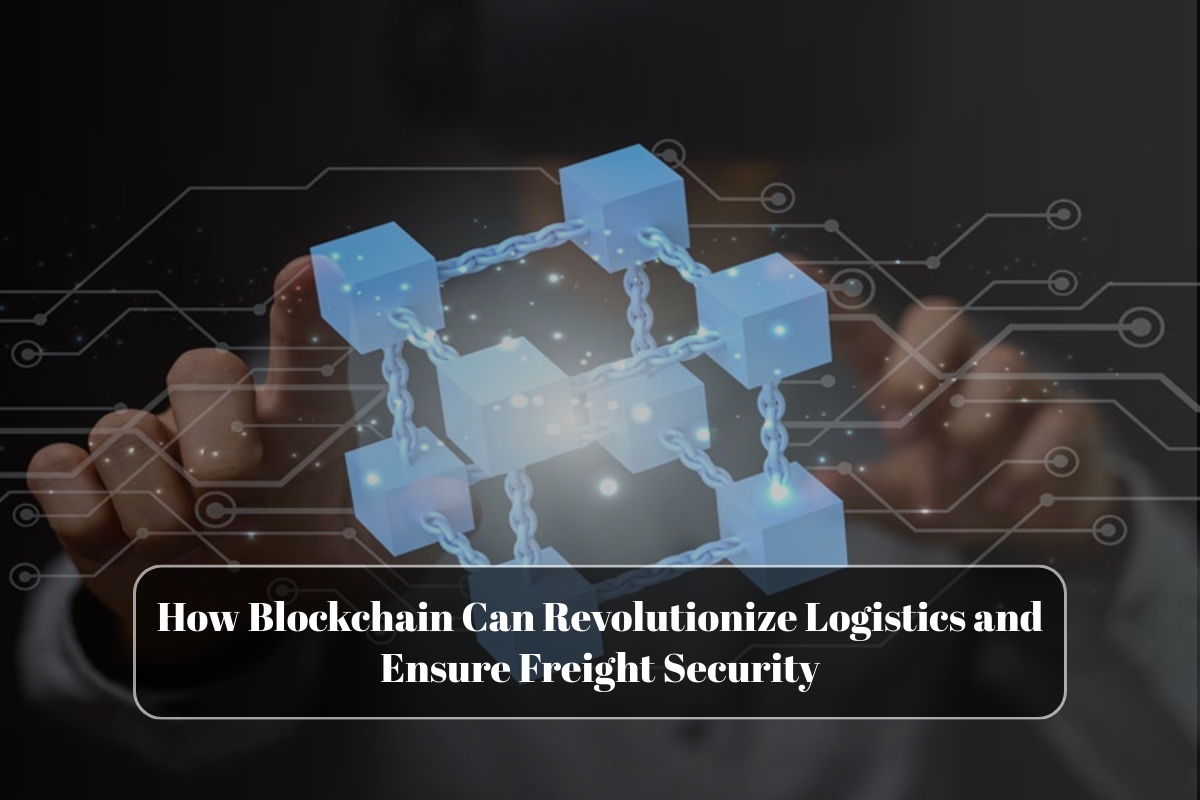
Blockchain is a distributed digital ledger that records transactions across multiple parties in a secure, immutable, and transparent manner. Instead of relying on a single centralized authority, all authorized participants share access to the same verified data.
In logistics, this means shipment records, documentation, and transaction histories can be securely shared across shippers, carriers, ports, customs authorities, and customers without duplication or manipulation.
Enhancing Supply Chain Transparency
One of the biggest challenges in logistics is the lack of end-to-end visibility. Information is often siloed across different systems, leading to delays, errors, and disputes.
Blockchain enables a single source of truth where every shipment event—origin, handling, transfer, and delivery—is recorded in real time. This transparency allows stakeholders to track goods accurately, identify bottlenecks quickly, and make informed decisions throughout the supply chain.
Strengthening Freight Security
Freight theft, document fraud, and cargo tampering cost the logistics industry billions annually. Blockchain significantly enhances freight security by creating tamper-proof records. Once data is recorded on the blockchain, it cannot be altered without consensus from the network.
This immutability protects critical documents such as bills of lading, certificates of origin, and shipping manifests from fraud. Secure digital identities also ensure that only authorized parties can access or update shipment data.
Smart Contracts and Automated Execution
Smart contracts are self-executing agreements stored on a blockchain that automatically trigger actions when predefined conditions are met. In logistics, smart contracts can automate payments, release cargo, or update records once delivery milestones are confirmed.
This reduces manual paperwork, minimizes human error, and accelerates transaction cycles. Automated execution also improves trust by ensuring that agreements are enforced consistently without intermediaries.
Improving Efficiency and Reducing Costs
Blockchain reduces inefficiencies caused by manual reconciliation, duplicated records, and lengthy dispute resolution. By streamlining data sharing and automating processes, logistics providers can lower administrative costs and improve operational speed. Faster document processing reduces shipment delays at ports and borders, while accurate real-time data minimizes costly errors and rework.
Building Trust Across Global Networks
Global logistics involves multiple parties that may not have established trust relationships. Blockchain removes the need for blind trust by embedding verification directly into the system.
Every transaction is validated and visible to authorized participants, reducing disputes and increasing accountability. This trust framework is especially valuable in cross-border trade, where regulatory compliance and documentation accuracy are critical.
Supporting Compliance and Regulatory Oversight
Regulatory compliance is a major challenge in freight movement. Blockchain provides regulators with secure, real-time access to verified data, simplifying audits and inspections. Automated compliance checks can flag discrepancies early, reducing delays and penalties. This level of traceability also supports sustainability goals by enabling accurate tracking of sourcing, handling practices, and environmental impact.
Challenges and Adoption Barriers
Despite its potential, blockchain adoption in logistics faces challenges. Integration with legacy systems, scalability concerns, data privacy regulations, and the need for industry-wide collaboration can slow implementation.
Successful adoption requires clear standards, stakeholder alignment, and investment in digital infrastructure. However, as technology matures and adoption grows, these barriers continue to decrease.
Future Outlook for Blockchain in Logistics
As supply chains become more digital and interconnected, blockchain is expected to play a central role in next-generation logistics systems. Combined with technologies such as the Internet of Things and artificial intelligence, blockchain can enable predictive analytics, real-time risk management, and autonomous supply chain operations. These innovations promise not only stronger freight security but also smarter, more resilient logistics networks.
FAQs
How does blockchain improve freight security?
It creates tamper-proof records and secure access controls, reducing fraud, document manipulation, and unauthorized data changes.
What role do smart contracts play in logistics?
Smart contracts automate actions such as payments and cargo release when delivery conditions are met, reducing delays and disputes.
Can blockchain reduce logistics costs?
Yes, by minimizing paperwork, errors, and intermediaries, blockchain lowers administrative and operational expenses.
Is blockchain suitable for global supply chains?
Yes, its decentralized and transparent nature makes it ideal for coordinating complex, cross-border logistics networks.
What are the main challenges of blockchain adoption in logistics?
Integration with existing systems, regulatory considerations, scalability, and the need for industry-wide collaboration are key challenges.