Logistics supply chains are under increasing pressure to deliver faster, more reliably, and at lower cost than ever before. Globalization, e-commerce growth, and rising customer expectations have exposed the limitations of traditional logistics models.
To remain competitive, organizations are redefining supply chain efficiency by combining advanced technology with deliberate process improvement. This integrated approach moves efficiency beyond cost-cutting and toward resilience, visibility, and continuous performance optimization.
The Evolving Meaning of Supply Chain Efficiency
Historically, supply chain efficiency focused on minimizing costs and maximizing asset utilization. While these goals remain important, modern efficiency is broader. It now includes speed, reliability, flexibility, transparency, and customer experience.
A supply chain that is low-cost but slow or unpredictable no longer meets market demands. Redefining efficiency means balancing operational performance with adaptability and service quality.
Technology as a Catalyst for Transformation
Technology has become a foundational driver of supply chain efficiency. Digital platforms enable real-time visibility across inventory, transportation, and demand. Tools such as cloud-based systems, data analytics, and automation reduce manual work and improve decision-making accuracy. With access to timely, reliable data, logistics teams can anticipate disruptions, optimize routes, and align supply more closely with demand.
Automation and Robotics in Logistics Operations
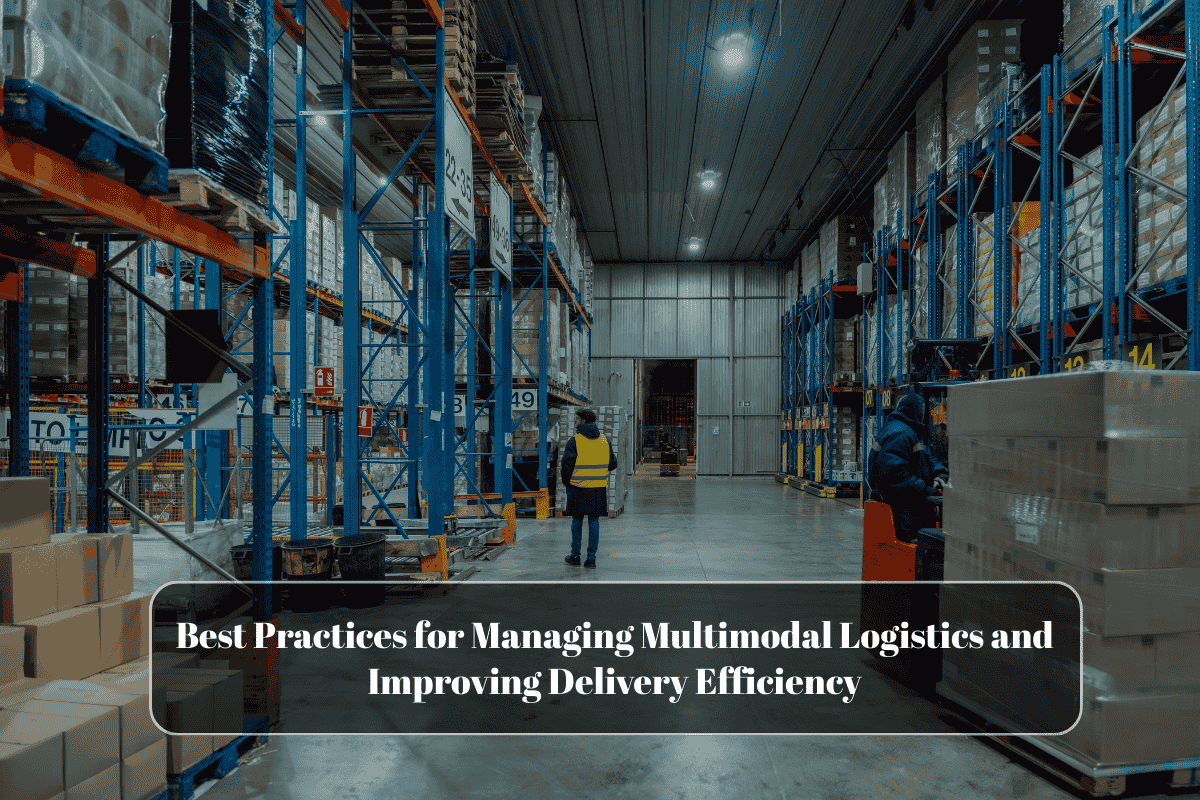
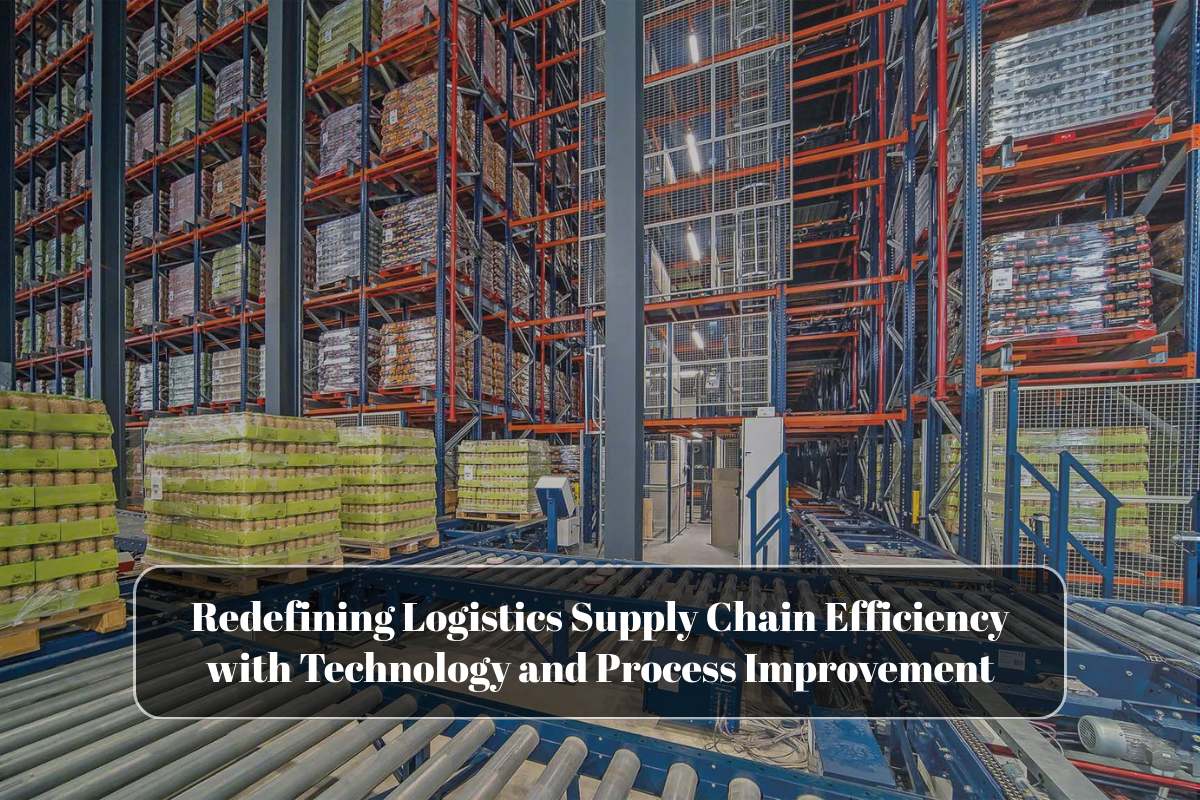
Automation plays a major role in improving speed and consistency. In warehouses, robotics and automated storage systems reduce picking errors, shorten order fulfillment times, and increase throughput. In transportation, automated scheduling and routing tools improve asset utilization and reduce fuel consumption. These technologies allow logistics operations to scale without proportional increases in labor or cost.
Process Improvement as the Foundation of Efficiency
Technology alone cannot fix inefficient processes. Process improvement ensures that workflows are streamlined before being digitized or automated. Techniques such as process mapping, standardization, and continuous improvement help identify bottlenecks, redundancies, and delays. When processes are clear and repeatable, technology can amplify their effectiveness rather than complicate them.
Integrating Technology and Process Design
True efficiency emerges when technology and process improvement are designed together. For example, implementing a new transportation management system is most effective when routing rules, handoffs, and decision rights are clearly defined. Integration ensures that systems support how work should happen, rather than forcing teams to adapt to poorly aligned tools.
Improving Visibility and Coordination Across the Network
One of the biggest efficiency gains comes from improved visibility. End-to-end transparency allows stakeholders to track shipments, monitor inventory levels, and coordinate activities across suppliers, carriers, and customers. Improved coordination reduces delays, excess inventory, and last-minute firefighting. Visibility also enables proactive problem-solving rather than reactive response.
Enhancing Agility and Resilience
Efficient supply chains must also be resilient. Technology-driven forecasting and scenario planning help organizations respond quickly to demand shifts, disruptions, or capacity constraints. Process flexibility—such as alternative sourcing, dynamic routing, and cross-trained teams—allows operations to adapt without sacrificing performance. Efficiency is no longer about rigidity, but about controlled adaptability.
Workforce Enablement and Change Management
Redefining efficiency requires people as much as systems. Employees must be trained to use new technologies and understand improved processes. Clear communication, role clarity, and performance metrics aligned with new ways of working are essential. When teams are empowered and engaged, technology adoption accelerates and process improvements are sustained.
Measuring What Truly Matters
Modern supply chain efficiency is measured through a combination of cost, speed, reliability, and customer impact. Key performance indicators may include order cycle time, on-time delivery, inventory turnover, and exception rates. Data-driven measurement ensures that improvements are real, visible, and continuously refined.
FAQs
What does modern supply chain efficiency mean?
It means balancing cost, speed, reliability, flexibility, and customer experience rather than focusing only on cost reduction.
Can technology alone improve logistics efficiency?
No. Technology must be paired with clear, optimized processes to deliver sustainable results.
Which logistics areas benefit most from automation?
Warehousing, inventory management, routing, and order fulfillment see significant efficiency gains.
How does visibility improve supply chain performance?
It enables proactive decision-making, reduces delays, and improves coordination across partners.
Why is process improvement important before digitalization?
Because automating inefficient processes amplifies problems instead of solving them.