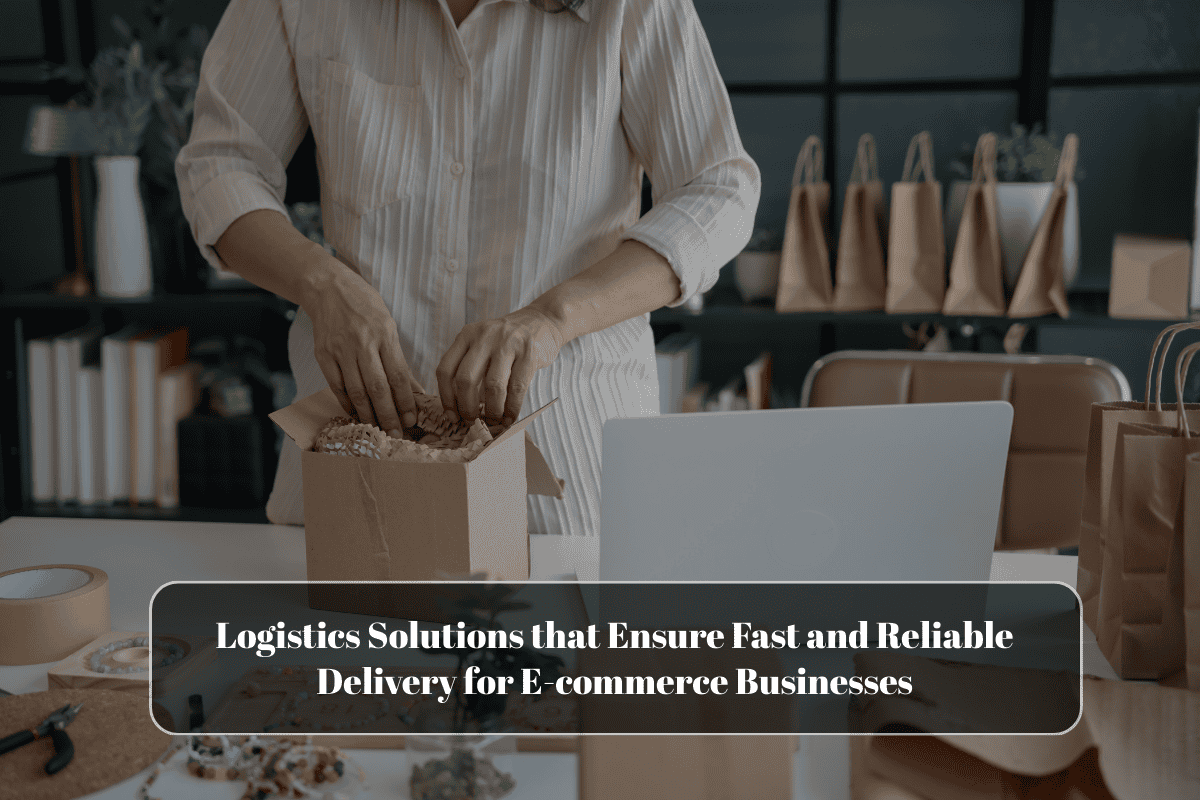
Logistics solutions tailored for US e-commerce businesses prioritize speed and reliability amid surging online sales, projected to exceed $1.2 trillion in 2026. With consumers demanding same-day or next-day delivery—85% abandon carts over slow shipping per recent surveys—these strategies leverage automation, regional networks, and AI to cut costs and boost satisfaction.
Small and mid-sized sellers, dominant in America’s marketplace, gain parity with giants like Amazon through smart partnerships and tech.
Micro-Fulfillment and Regional Hubs
Decentralized warehousing shortens delivery windows in sprawling US markets. Micro-fulfillment centers (MFCs) in urban zones like Chicago or Atlanta process orders in under 2 hours, using robotics for 25% faster throughput. Unlike centralized DCs prone to bottlenecks, regional hubs near population centers—vital in states like Texas with booming suburbs—enable 1-2 day guarantees nationwide.
E-commerce firms partner with providers like ShipBob or Deliverr, distributing inventory across 50+ US locations. This cuts last-mile costs by 30%, critical as labor shortages hit 20% of drivers amid DOT regulations.
AI-Driven Route Optimization and Predictive Analytics
AI transforms routing, predicting demand spikes from weather or holidays with 15% better accuracy. Platforms like Flexport or FourKites analyze real-time traffic, weather, and carrier data, clustering stops to lift efficiency in dense corridors like the Northeast. For cross-border sellers, AI handles customs via digital platforms, speeding imports from Asia despite de minimis reforms.
Predictive tools forecast inventory needs, reducing stockouts by 40%. US SMBs integrate free tiers of ShipStation or EasyPost for multi-carrier rates, ensuring 99% on-time rates without enterprise budgets.
Automation in Warehousing and Last-Mile
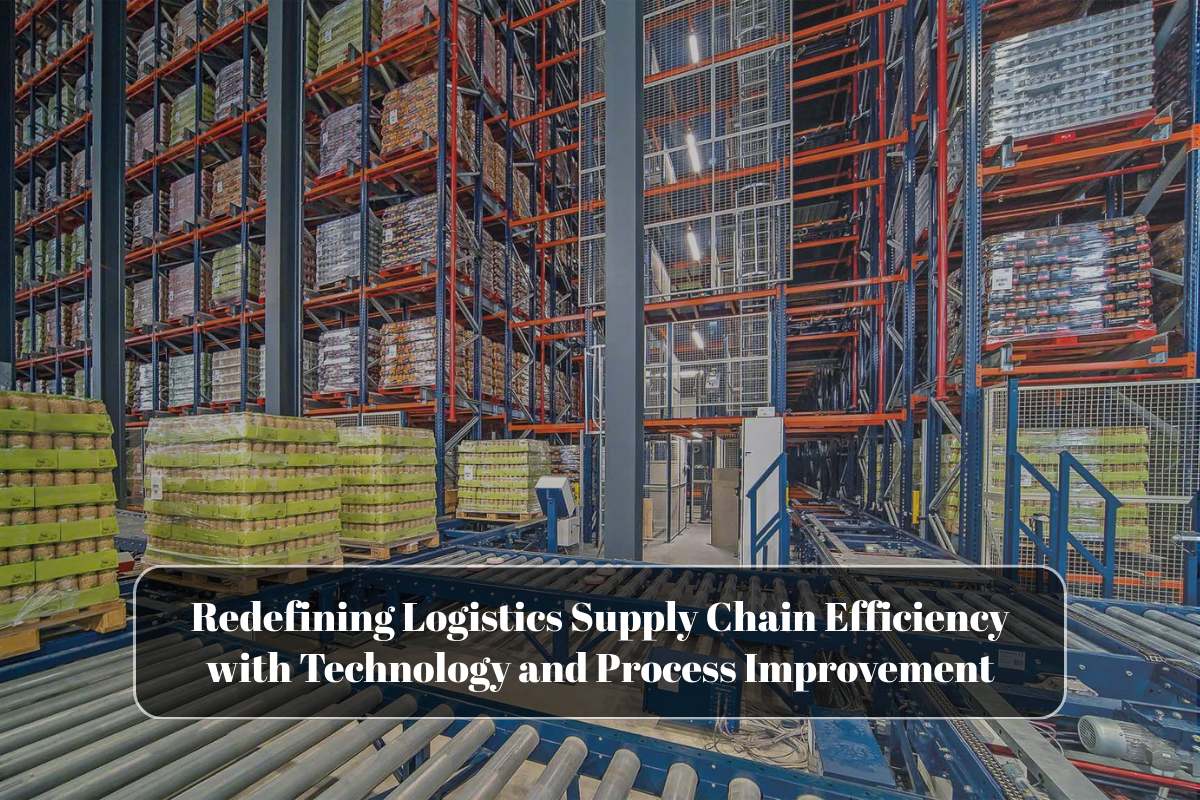
Robotic picking and automated sortation handle parcel surges, with ASRS systems boosting throughput 25% in facilities from California ports to Midwest hubs. Drones and autonomous vehicles, approved under FAA expansions, test in rural deliveries, while EVs from UPS’s fleet expand sustainable urban logistics.
Reverse logistics for 30% return rates uses AI sorting at returns centers, restocking in hours. Omnichannel strategies blend online-offline via buy-online-pickup-in-store (BOPIS), popular in retail-heavy Florida.
Carrier Partnerships and 3PL Expertise
Third-party logistics (3PLs) like XPO or GXO offer scalable fleets with SLAs guaranteeing 98% reliability. Multi-carrier software negotiates 70% discounts via UPS, FedEx, and USPS, vital for peak seasons. Contactless options build trust post-pandemic.
For high-volume sellers, dark stores—repurposed retail spaces—fulfill via apps, bridging infrastructure gaps in underserved South regions.
Real-World Impact and Scalability
A Midwest apparel brand adopted MFCs and AI, slashing delivery from 5 to 1.5 days, lifting repeat buys 22%. Costs dropped 18% via optimized routes, proving viability for bootstrapped ops.
Challenges like port congestion demand resilience: Diversify via East Coast ports and bonded warehouses. Overall, these solutions fuel growth, aligning with consumer expectations in America’s e-tail boom.
Frequently Asked Questions (FAQs)
1. How do micro-fulfillment centers speed US deliveries?
They place inventory near cities, enabling 1-2 hour processing and same-day service via robotics.
2. What role does AI play in reliable e-commerce shipping?
It optimizes routes and predicts demand, improving accuracy 15% and cutting delays.
3. Are 3PLs cost-effective for small e-commerce businesses?
Yes—offering 70% carrier discounts and scalability without owning warehouses.
4. How to handle high return rates in logistics?
AI-automated returns centers restock fast, managing 30% volumes efficiently.
5. What’s the biggest 2026 trend for e-commerce logistics?
Regionalized networks and EVs for faster, greener last-mile in urban areas.