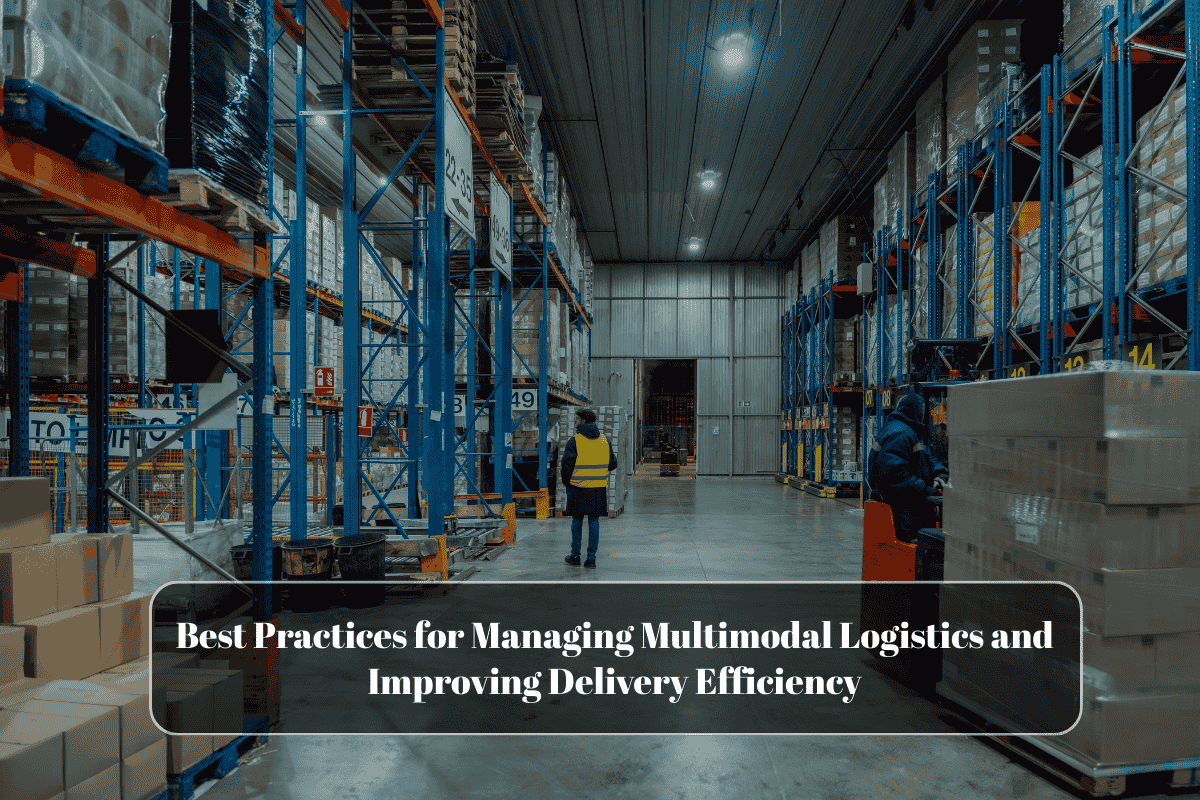
Managing multimodal logistics—combining truck, rail, ship, and air—boosts US delivery efficiency by cutting costs 20-30% and transit times through optimized handoffs. Best practices leverage 2026 tech trends like AI visibility and resilient networks to handle disruptions seamlessly.
Integrated Technology Platforms
Unified Transportation Management Systems (TMS) provide end-to-end visibility across modes, predicting delays via AI analytics on rail ramps, port dwell, or drayage risks.
Real-time tracking translates signals from ocean to warehouse, enabling rerouting before misses occur. In 2026, 68% of logistics leaders prioritize digital transformation, with platforms consolidating carriers into “single operating systems” for fewer touches.
Route Optimization and Mode Selection
Dynamic algorithms balance cost, speed, and reliability—rail for long-haul, truck for last-mile—factoring live constraints like capacity or emissions. Continuous optimization fills backhauls, reducing empty miles by 15-20%. US intermodal networks improve with port/rail upgrades, prioritizing redundancy via dual gateways (e.g., Mexico-Asia mixes) against tariffs or bottlenecks.
Standardized Handoff Processes
Reliability trumps speed: Clear cutoffs, SOPs, and automated documentation minimize exceptions at intermodal yards. Predictive alerts flag appointment risks; flexible drayage plans handle surges. Multi-carrier models standardize inland execution, with 86% of firms valuing embedded visibility for on-time delivery guarantees.
Capacity and Risk Management
Surgical planning builds optionality—backup ramps, yard space, and triggers for mode shifts amid tightening truckload in 2026. Nearshoring accelerates redundant flows (e.g., Canada-US Gulf), stabilizing access. Specialized logistics for megaprojects demand sequenced precision across parties.
Sustainability and Decarbonization
Full-truckload strategies and electrification cut GHG via consolidated shipments. AI-driven decarbonization baselines meet regulations; emissions reporting aligns with shipper goals, enhancing bids. Multimodal inherently lowers footprints versus truck-only, with rail-ocean combos gaining traction.
Workforce and Infrastructure Leverage
Upskill teams on AI tools; partner with providers offering lane-level routing guides. Infrastructure like expanded rail and smart warehouses supports diversified corridors, from Central Asia links to resilient USMCA chains. Measure success via KPIs: dwell reduction, equipment turns, on-time rates exceeding 95%.
FAQs
1. What’s the top tech for multimodal efficiency?
Integrated TMS with AI for predictive visibility across modes.
2. How to cut empty miles?
Backhauls and dynamic optimization—saves 15-20%.
3. Why prioritize reliability over speed?
86% demand it; standardized SOPs ensure predictable arrivals.
4. Role of redundancy in 2026?
Dual routes/ports hedge tariffs, disruptions via nearshoring.
5. How does multimodal aid sustainability?
Lower emissions than truck-only; AI optimizes full loads.