Logistics innovations are revolutionizing US transportation companies, enabling them to handle surging demands from e-commerce booms, nearshoring, and infrastructure projects in 2026. Advanced tech like AI forecasting and autonomous systems cut delays by 30-50%, boosting efficiency amid rising freight volumes across highways and ports.
AI-Driven Predictive Analytics
AI platforms analyze weather, geopolitics, and shipping data to forecast disruptions weeks ahead, rerouting cargo proactively. This slashes inventory safety stock by 20% and prevents bottlenecks, vital for construction firms hauling lumber or retailers meeting holiday peaks.
US carriers like UPS integrate these with real-time ETAs, reducing last-mile delays in urban sprawl. Demand forecasting ties into dynamic pricing, optimizing loads for Midwest-to-Coast hauls.
Automated Warehousing and Robotics
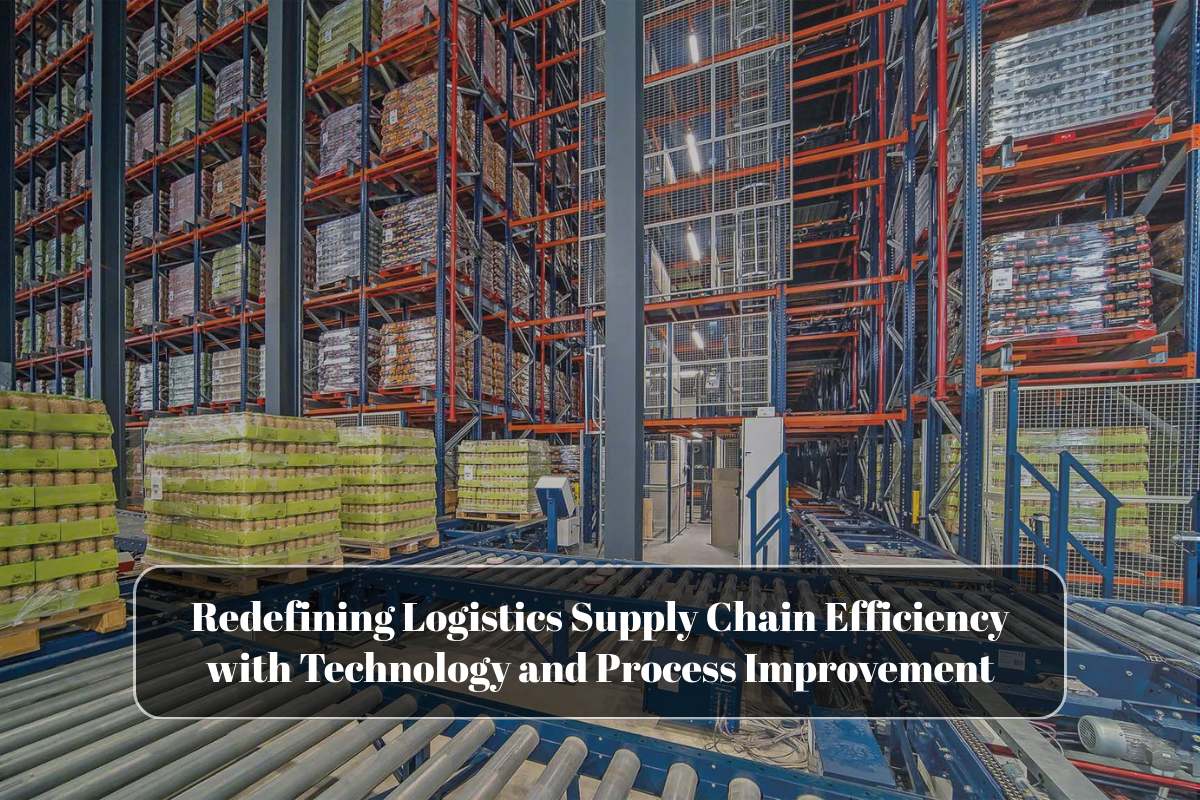
Autonomous Mobile Robots (AMRs) navigate warehouses without fixed paths, adapting to obstacles via sensors and AI for 40% faster picking. Unlike older AGVs, they optimize routes in real-time, handling complex orders for building supplies or perishables.
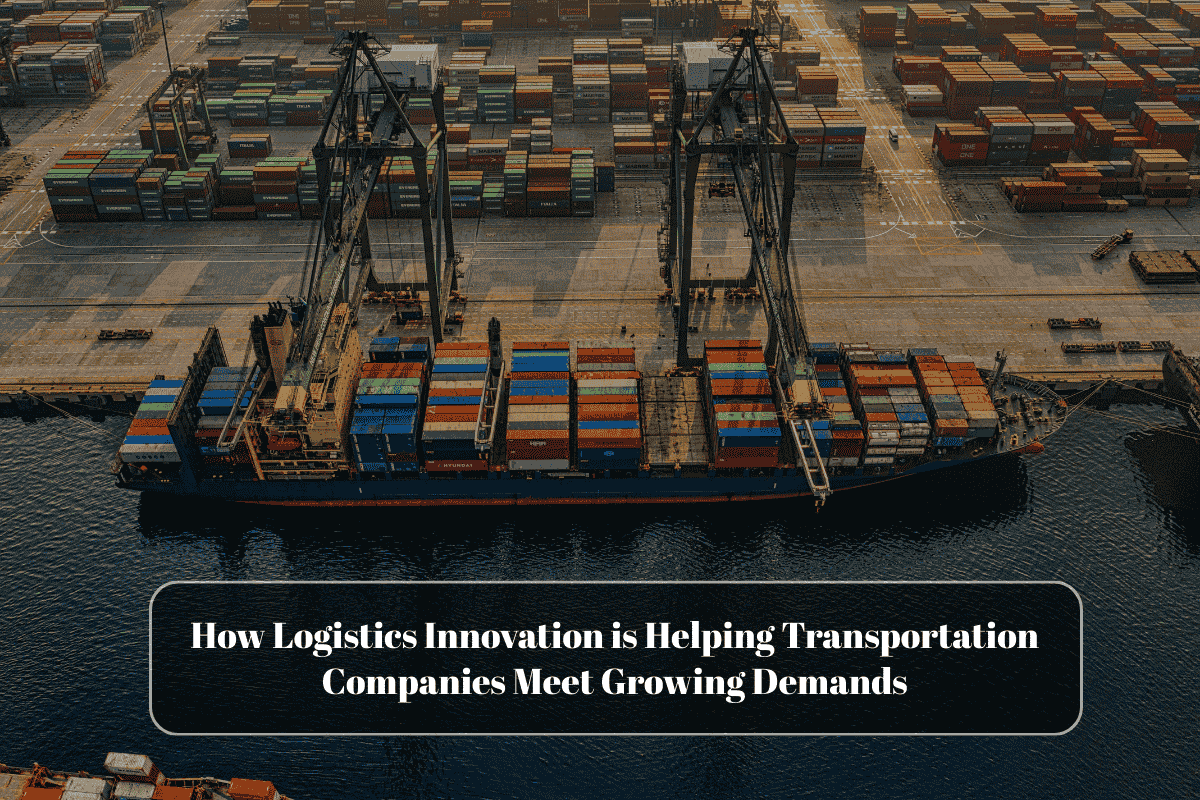
Integrated with transport management systems (TMS), they sync human-autonomous ops, easing driver shortages. Ports adopt similar tech for container handling, speeding residential development deliveries.
Electric Fleets and Smart Infrastructure
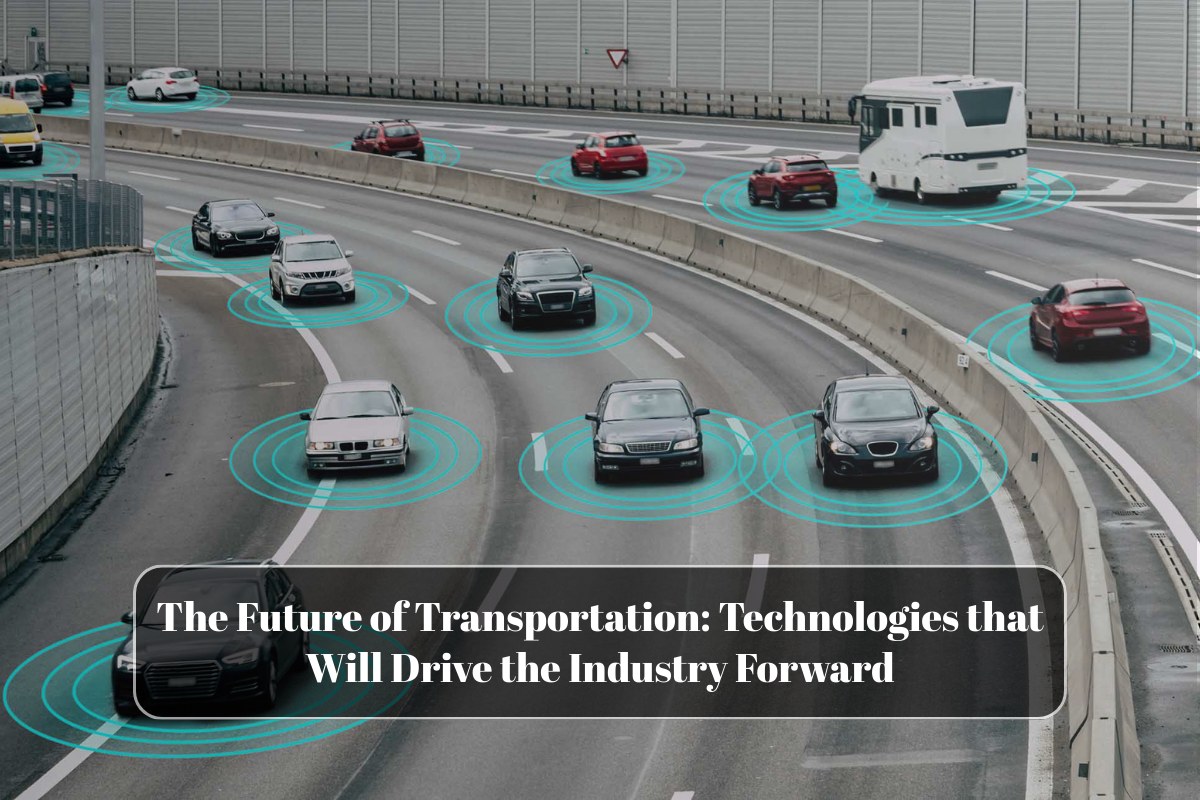
Heavy-duty electric trucks dominate regional routes, supported by highway charging corridors under 2026 sustainability mandates. Methanol vessels cut maritime emissions, while V2I (Vehicle-to-Infrastructure) tech on smart corridors adjusts traffic lights for steady speeds, trimming fuel 15-25%.
Fleet-as-a-Service (FaaS) lets firms rent EVs on-demand, scaling without capex—ideal for fluctuating construction logistics.
Digital Route Optimization
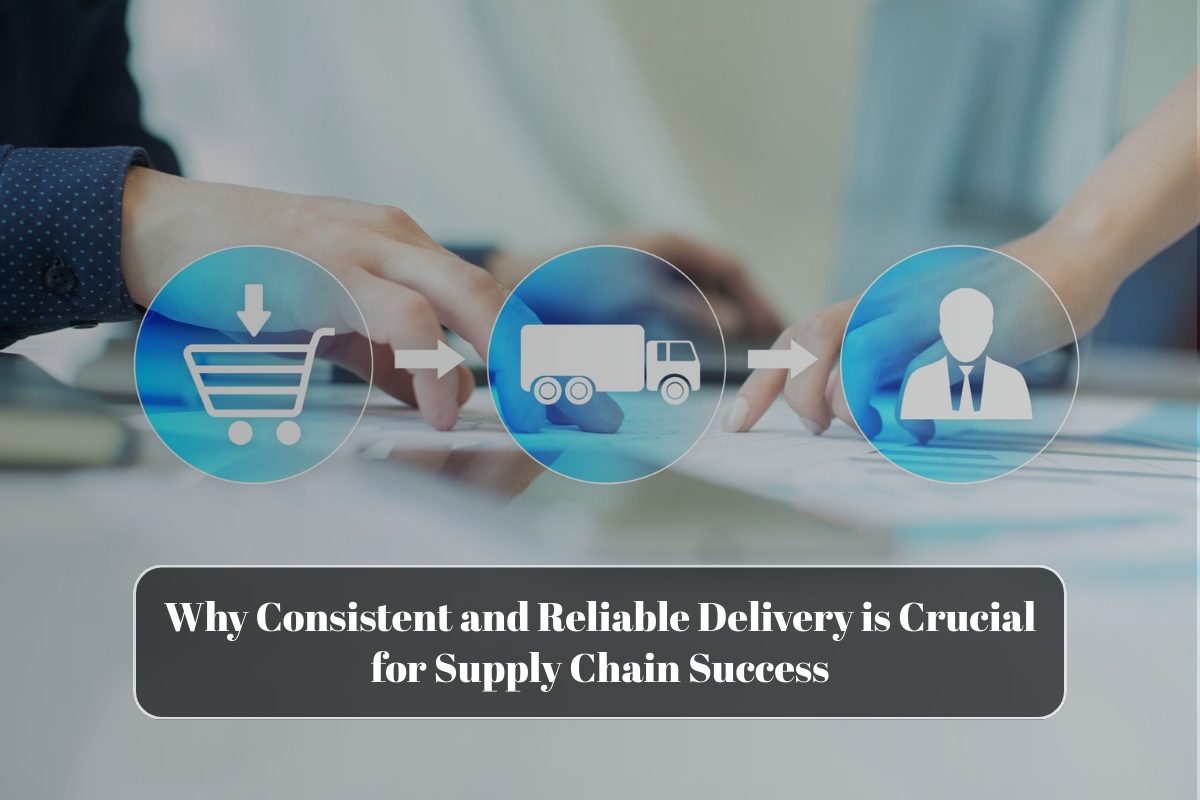
Algorithms factor traffic, strikes, and port congestion for “smartest path” routing, coordinating intermodal shifts instantly. Blockchain smart contracts auto-release bills of lading at geo-fences, accelerating payments and transparency for cross-border Mexico nearshoring.
TMS platforms unify visibility, tracking emissions for compliance—key as reshoring boosts domestic road freight.
Nearshoring and Resilient Supply Chains
Production shifts to Mexico/Latin America shorten lead times, spiking US-Mexico rail/truck demand. Digital tools plan frequent regional runs, with CO2 trackers generating audit-ready reports for eco-regs.
3PLs like Capstone leverage AI for resilience, blending automation with human oversight amid labor gaps.
Broader Impacts on US Growth
These innovations support housing starts (1.5M+ units) by streamlining material flows from lumberyards. E-commerce firms cut costs 20%, fueling youth workforce programs via efficient training supply chains.
Implementation Roadmap
Start with TMS pilots, layer AI, then automate. ROI hits in 6-12 months via lower costs and 99% on-time rates. Partner with 3PLs for seamless scaling.
FAQ
1. Cost of AI adoption?
$50K-200K initial for TMS/AI; recoups in 9 months via 20% savings.
2. EV truck range?
300-500 miles regional; charging corridors expand long-haul viability.
3. Blockchain security?
Immutable ledgers prevent fraud; smart contracts auto-execute.
4. Labor impact?
Upskills drivers for oversight; offsets shortages 30%.
5. Nearshoring logistics?
TMS for cross-border visibility; boosts US freight 15%.