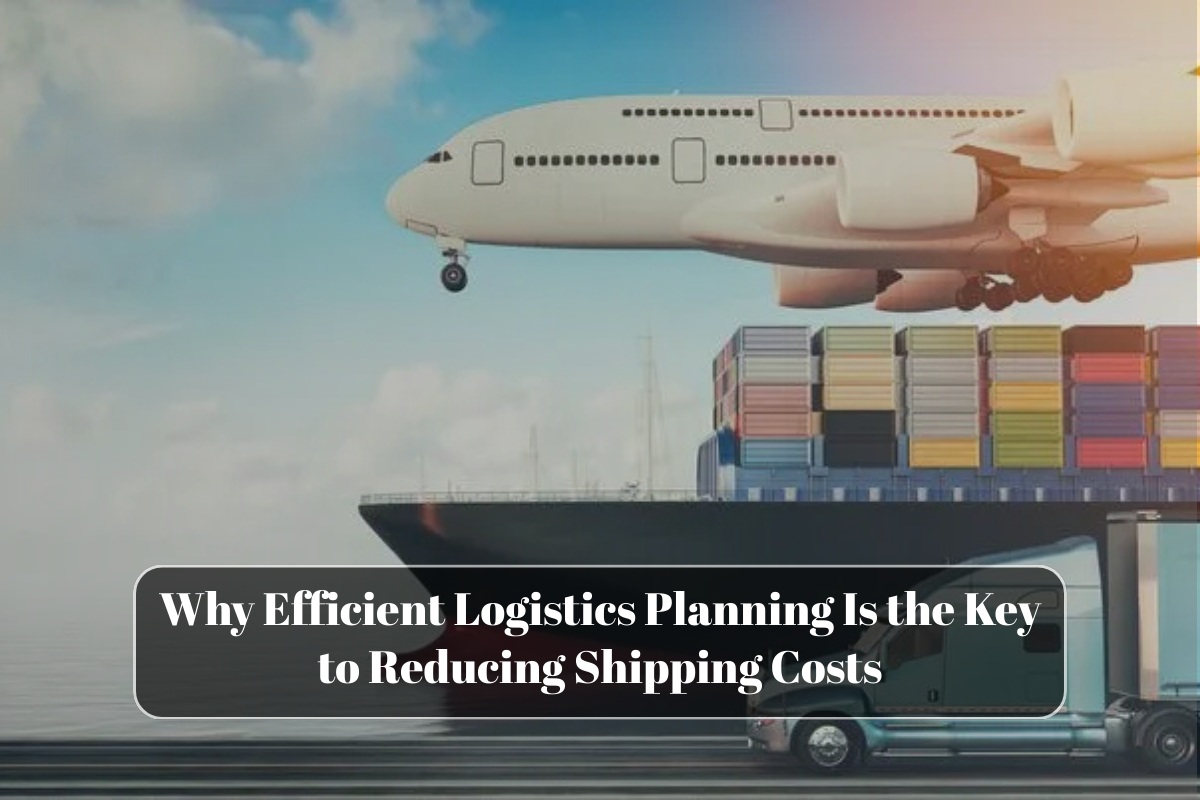
Efficient logistics planning slashes shipping costs for US businesses by optimizing routes, consolidating loads, and leveraging data to eliminate waste across the supply chain. In a market where transportation expenses can consume 10-15% of revenue for growing companies, strategic foresight turns reactive spending into predictable savings, often yielding 15-30% reductions without sacrificing service levels.
Route Optimization Minimizes Mileage and Fuel
Planning routes with software considers traffic, weather, and delivery windows to shorten distances and avoid idling, directly cutting fuel—one of the largest variable costs in trucking. US firms using dynamic routing tools report 10-20% drops in mileage, as algorithms consolidate stops and select optimal modes like intermodal over pure truck hauls.
For LTL shipments, this means fewer dock-to-dock transits, while FTL planners balance backhauls to prevent empty returns, a common inefficiency wasting 30% of capacity. Real-time GPS integration allows mid-route adjustments, preventing delays that trigger premium rush fees or overtime labor.
Shipment Consolidation Reduces Per-Unit Expenses
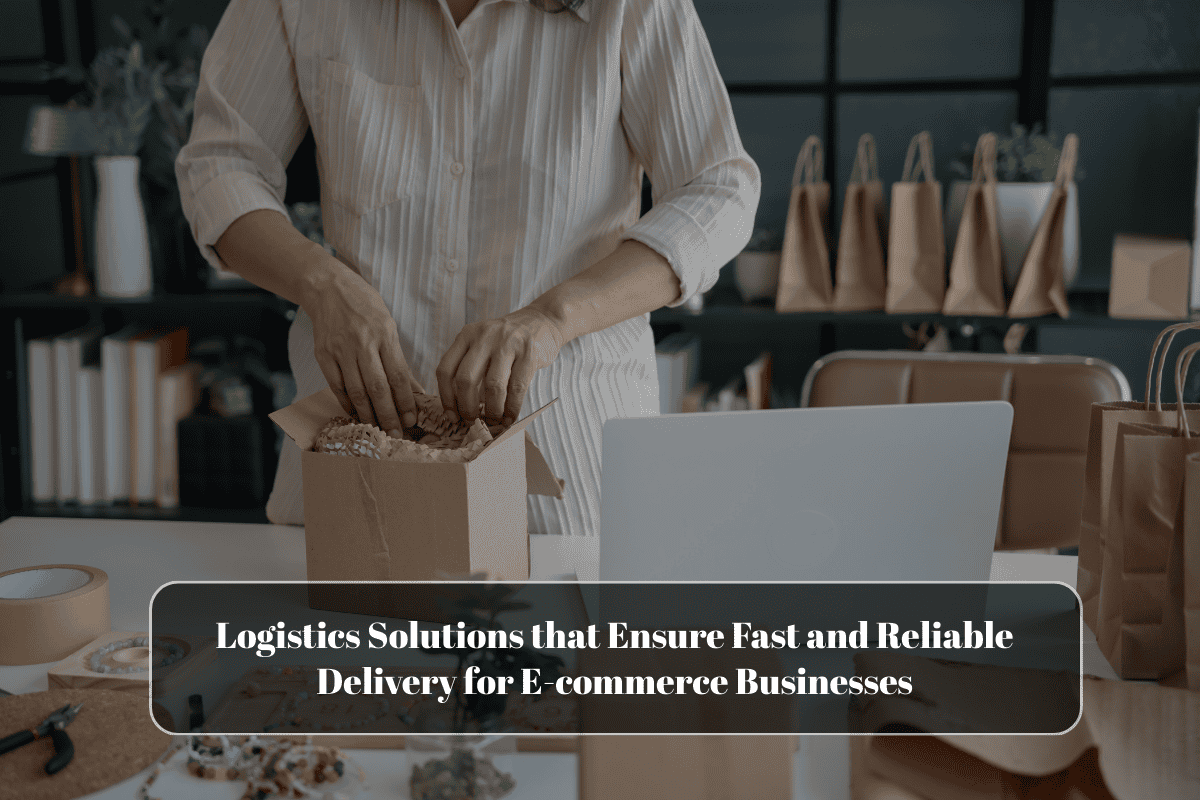
Grouping small orders into full loads—whether LTL to FTL thresholds or multiple LCL into FCL—spreads fixed costs like carrier accessorials over more volume. Businesses batching weekly partials into single shipments cut trip counts by 40-50%, as seen in centralized procurement models near demand hubs.
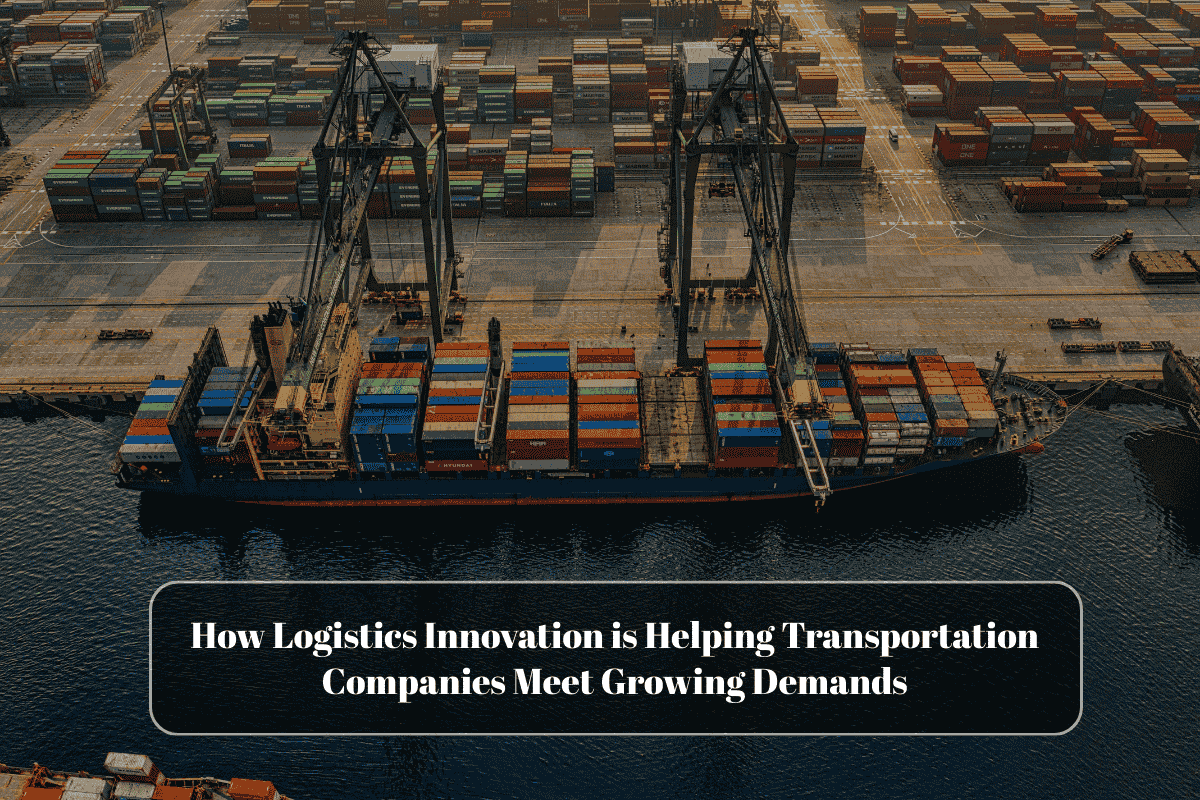
In the USA, where drayage and terminal fees add up quickly at ports like LA/Long Beach, consolidation avoids multiple short-haul legs. Inventory planning forecasts enable holding just enough stock regionally to trigger efficient consolidations, avoiding air freight premiums for stockouts.
Inventory and Warehouse Strategies Cut Holding Costs
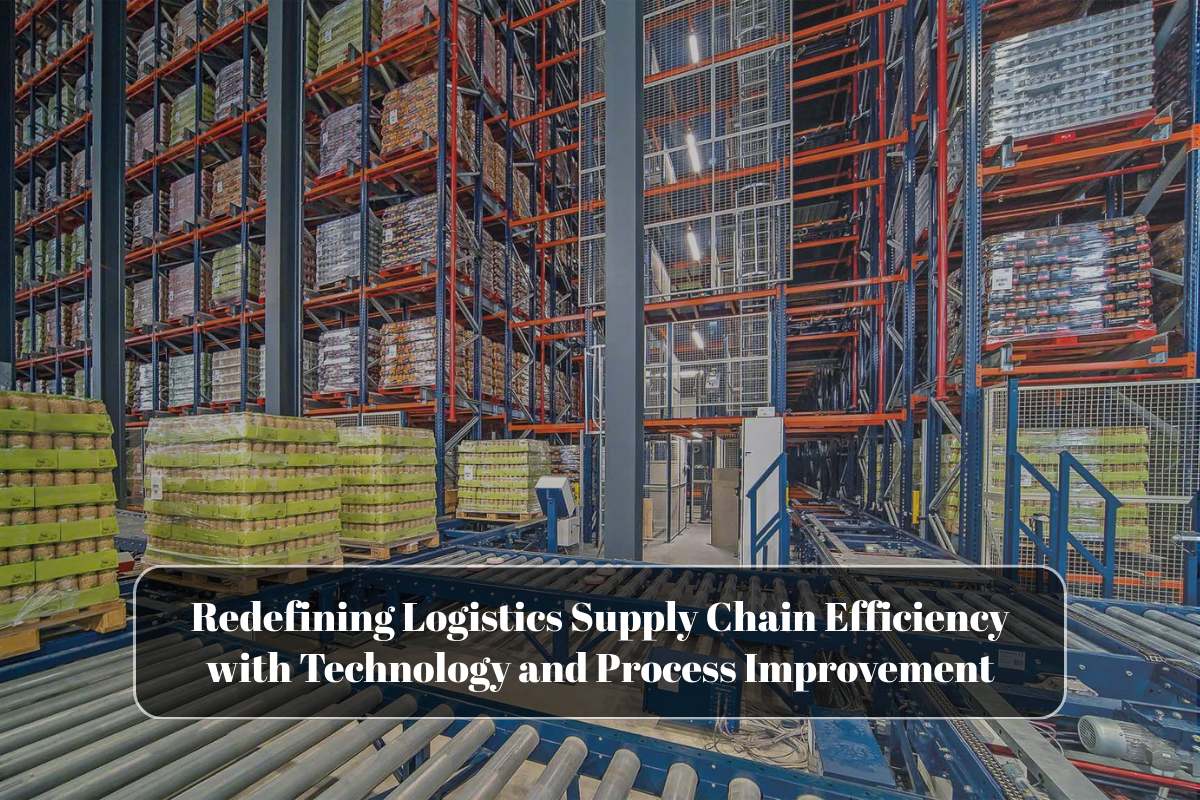
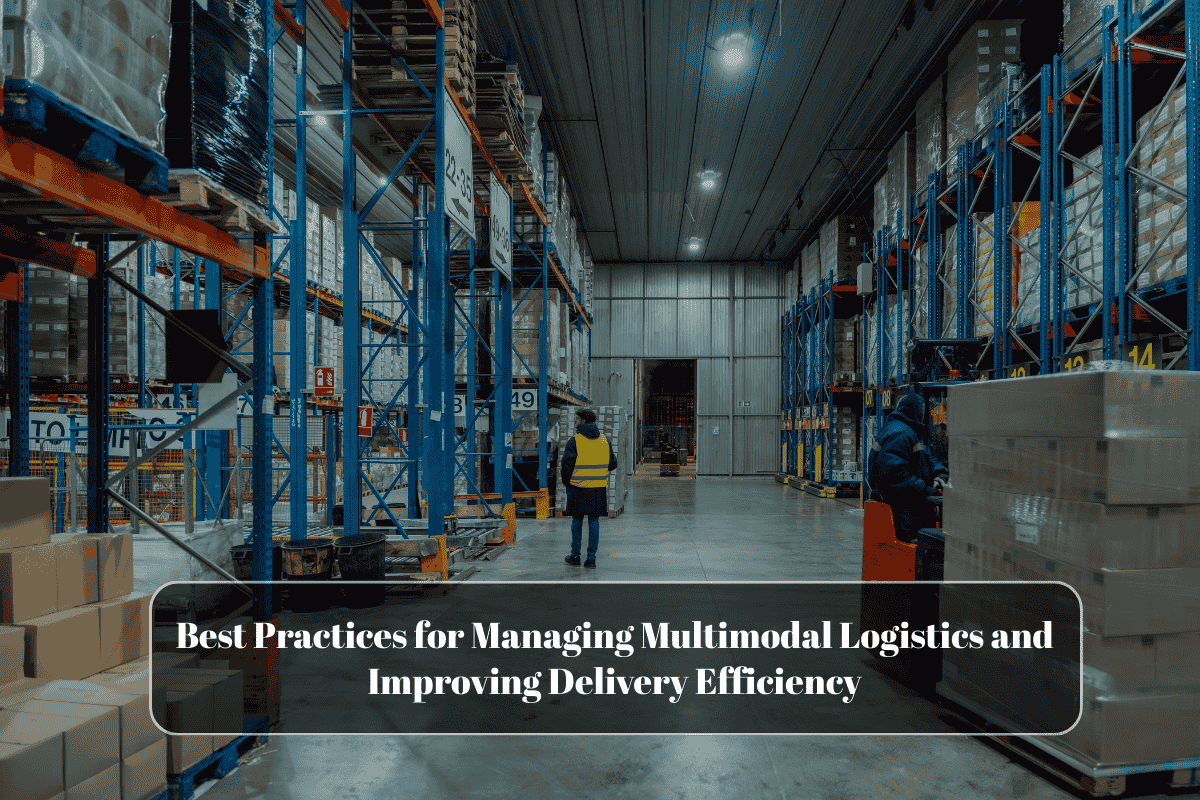
Right-sizing inventory through demand forecasting and safety stock calculations prevents overstock tying up capital in warehouses, where storage can run $0.50-$2 per pallet daily. Decentralized micro-fulfillment near customers shortens hauls, reducing last-mile costs that average 50% of total freight spend. Automation like AS/RS systems in planned facilities boosts throughput 2-3x, minimizing labor for picking and packing.
Cycle counting and ABC analysis prioritize high-value items for tight control, freeing space and cutting obsolescence losses that inflate effective shipping rates.
Carrier Negotiations and Technology Drive Savings
Annual contract reviews with volume commitments secure 5-15% discounts, while TMS platforms benchmark rates across carriers for spot bids on peaks. Dynamic routing guides shift static plans to flexible ones, unlocking LTL consolidation or truckload multi-stops for another 5-20% off. Cloud TMS integrates with ERPs for end-to-end visibility, spotting anomalies like detention fees early.
Outsourcing to 3PLs with scale accesses their networks, often reducing costs 10-25% through pooled shipments and tech without upfront investment.
Data Analytics and Continuous Improvement
Predictive tools analyze historical data for patterns, like seasonal surges prompting buffer capacity buys at low rates. KPIs such as cost-per-mile, on-time delivery, and fill rates guide tweaks, with firms auditing quarterly seeing compounded 3-5% annual gains. Scenario planning tests disruptions, ensuring resilient backups without idle premiums.
FAQs
Q1. How does route optimization lower shipping costs?
It shortens mileage, consolidates stops, and adapts to real-time conditions, cutting fuel and fees by 10-20%.
Q2. Why consolidate shipments in logistics planning?
Batching reduces trips and spreads fixed costs, potentially halving per-unit expenses for partial loads.
Q3. What role does inventory planning play?
Forecasting prevents excess holding costs and enables regional stocking to shorten hauls and avoid premiums.
Q4. How do TMS tools contribute to savings?
They benchmark rates, enable dynamic routing, and provide visibility to avoid accessorials, saving 5-20%.
Q5. When should businesses outsource logistics?
For scale benefits like pooled shipments and tech access, yielding 10-25% reductions without internal buildout.