Flexible logistics solutions enable US businesses to pivot swiftly amid volatile market demands, from e-commerce surges to tariff shifts, by leveraging modular networks, digital agility, and scalable partnerships. These approaches maintain service levels while cutting response times by 40-60%, as seen in resilient supply chains post-pandemic. In a landscape where demand fluctuations cost firms 5-15% in lost revenue annually, adaptability turns uncertainty into opportunity.
Modular Supply Chain Networks for Rapid Scaling
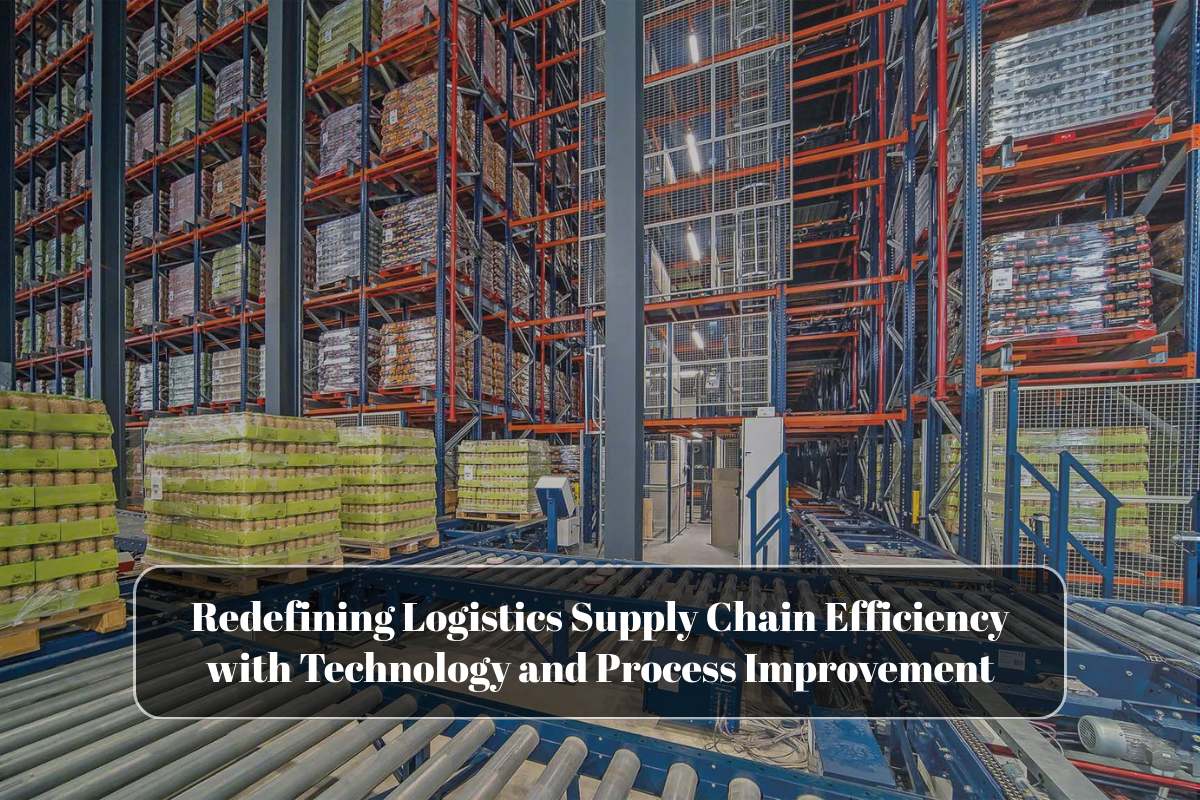
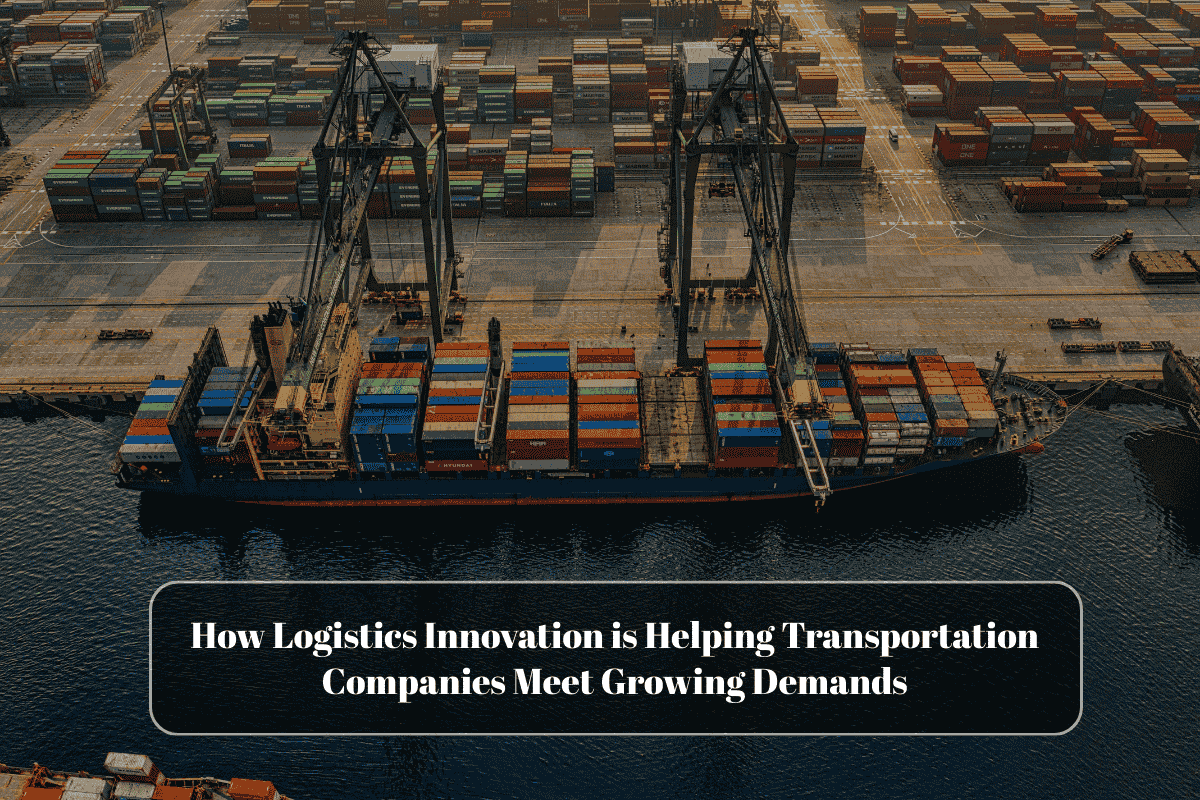
Modular designs allow quick reconfiguration of warehouses, routes, and suppliers to match demand spikes, using regional micro-fulfillment centers instead of centralized hubs. US retailers shift inventory dynamically via cloud platforms, scaling capacity 2-3x during peaks like Black Friday without excess fixed costs. Multi-modal options—blending truck, rail, and air—enable seamless mode switches when disruptions hit, such as port backups at LA/Long Beach.
This flexibility supports nearshoring trends, repositioning production closer to markets for 20-30% faster replenishment amid global tensions.
Digital Tools for Real-Time Demand Sensing
AI-driven forecasting integrates sales data, weather, and social trends to predict shifts 7-14 days ahead, triggering automatic inventory reallocations. Platforms like TMS with machine learning adjust routes and carrier assignments in hours, not days, preventing stockouts during events like holiday rushes. IoT sensors provide granular visibility, alerting to capacity strains for preemptive scaling.
In the USA, 70% of adaptive firms use these tools to achieve 95%+ on-time delivery amid volatility.
Scalable Partnerships and On-Demand Capacity
Collaborative ecosystems with 3PLs and freight marketplaces offer elastic capacity, pooling resources for surges without long-term contracts. Spot bidding secures trucks or containers at peak rates, while shared warehousing flexes space by pallet or day. Vendor-managed inventory (VMI) lets suppliers monitor and replenish based on real-time signals, smoothing inbound flows.
US businesses tap digital freight networks for 15-25% cost savings during fluctuations, scaling via APIs without infrastructure builds.
Agile Inventory Strategies for Demand Variability
Dynamic safety stock algorithms buffer against uncertainty, holding minimal base levels with surge allocations at forward DCs. Multi-echelon optimization balances costs across tiers, reducing holding by 20% while covering 99% service levels. Postponement—delaying customization until demand clarifies—minimizes obsolescence in fast-fashion or tech sectors.
Resilience Through Scenario Planning and Diversification
Digital twins simulate disruptions like strikes or tariffs, testing responses to refine agility. Diversified sourcing across 3-5 regions ensures continuity, with contracts including flex clauses for volume swings. Sustainability integrations, like electric fleets, adapt to regulatory demands without halting operations.
Measuring Adaptability for Sustained Success
KPIs like agility index (response time to demand change) and flexibility score guide refinements, with top US performers adapting in under 48 hours.
FAQs
Q1. What are modular supply chains?
Configurable networks with regional DCs and multi-modal options that scale 2-3x for peaks.
Q2. How do digital tools enable flexibility?
AI forecasting and TMS adjust plans in hours, achieving 95%+ on-time amid volatility.
Q3. Why use scalable 3PL partnerships?
They provide on-demand capacity via marketplaces, saving 15-25% during surges.
Q4. What inventory strategies adapt to variability?
Dynamic buffers and postponement cut holding 20% while ensuring service levels.
Q5. How does diversification build resilience?
Multi-region sourcing and scenario simulations enable <48-hour adaptations.