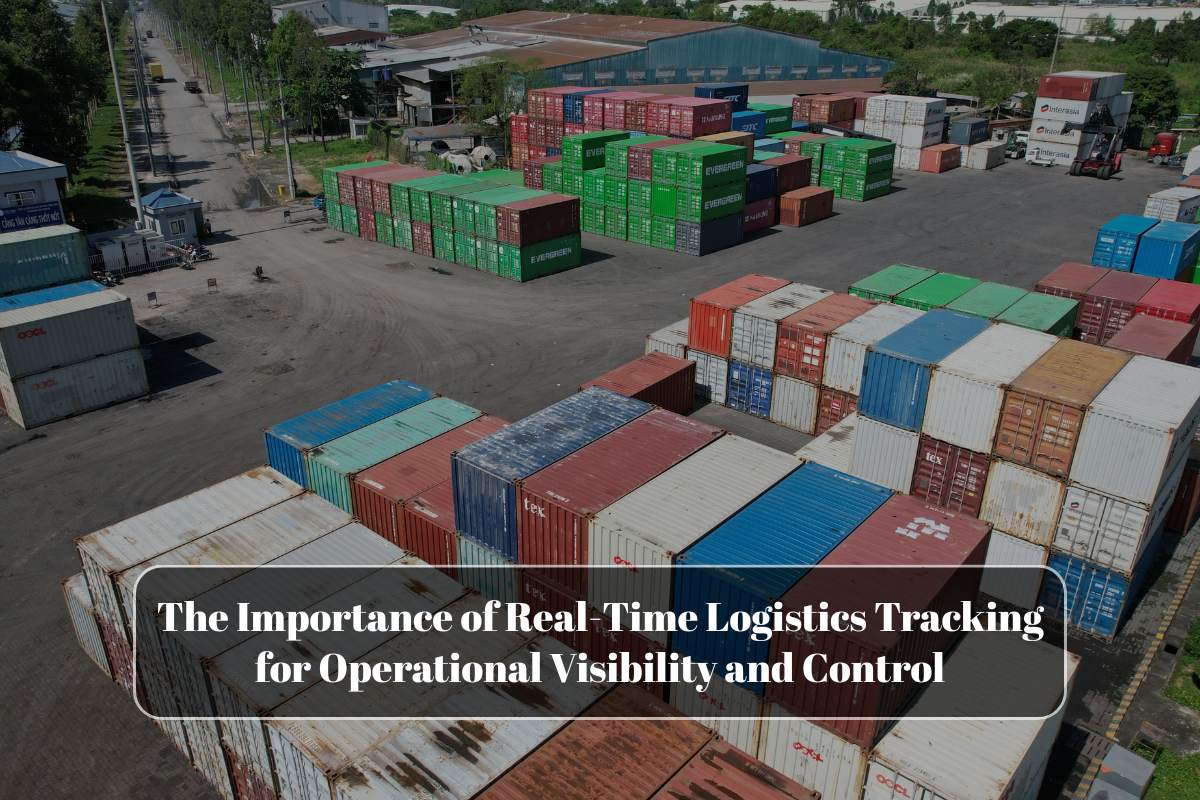
Real-time logistics tracking leverages GPS, IoT sensors, and cloud platforms to provide instant visibility into shipment locations, conditions, and progress across U.S. supply chains. In a sector where trucking moves 72% of domestic freight amid port congestion and driver shortages, this technology cuts delays by 20-30%, enabling proactive decisions that uphold 95% OTIF commitments demanded by retailers. It empowers managers with control over routes, assets, and exceptions, transforming reactive operations into resilient, data-driven networks.
Enhancing Supply Chain Visibility
Real-time tracking delivers end-to-end transparency, showing exact truck positions, cargo temperatures, and ETA updates via unified dashboards accessible to shippers, carriers, and customers. This eliminates blind spots that cause 40% of inquiries, allowing teams to monitor multi-modal handoffs from rail to truck without phone tag. In the USA, platforms like FourKites or Samsara integrate ELD data with weather feeds, spotting bottlenecks early at hubs like Chicago or LA ports.
Visibility extends to inventory, syncing warehouse stocks with in-transit loads to prevent overstocking, which ties up 25% of capital in excess buffers. Accurate status updates foster trust, reducing disputes and enabling just-in-time replenishment for manufacturers nationwide.
Route Optimization and Delay Prevention
Dynamic rerouting uses live traffic, HOS compliance, and fuel data to bypass congestion, shaving 10-20% off transit times and avoiding $100/hour detention fees. AI algorithms predict disruptions like wildfires or strikes, suggesting alternatives that maintain schedules amid 80,000-driver shortages. For LTL shipments, consolidated tracking optimizes sequencing, minimizing empty miles that waste 15% of capacity.
Early alerts for deviations—such as mechanical issues flagged by telematics—trigger backups, ensuring 98% uptime in volatile conditions. This control prevents cascading delays, vital for e-commerce giants fulfilling same-day promises.
Boosting Operational Control and Efficiency
Centralized platforms automate alerts for HOS violations, cargo securement lapses, or temperature breaches, enforcing FMCSA standards remotely without halting operations. Managers reassign drivers or split loads on-the-fly, cutting fuel by 5-10% through efficient asset use. Analytics from tracking data refine future plans, identifying patterns like peak-hour chokepoints for permanent fixes.
Security features deter theft—up 20% in 2025—with geo-fencing and tamper alerts prompting rapid responses, lowering claims by 35%. Overall, it streamlines workflows, reducing manual errors and enabling scalability in a $1.8 trillion logistics market.
Improving Customer Satisfaction and Trust
Customers access portals for live ETAs, slashing inquiries by 40% and boosting NPS scores as transparency meets Amazon-era expectations. Proactive notifications about minor delays build loyalty, with 90% repeat business from reliable updates. For B2B, shared visibility aligns on SLAs, securing long-term contracts with big-box retailers.
Exception handling—rerouting perishables before spoilage—preserves relationships, turning potential complaints into testimonials.
Cost Savings and Competitive Edge
Tracking uncovers inefficiencies like idle time or suboptimal routes, yielding 15-25% savings on fuel, labor, and premiums. Fewer disruptions avoid expedites at 2-3x spot rates, while predictive maintenance extends vehicle life. Compliant fleets earn better insurance and green certifications under EPA rules.
In competitive bids, real-time capabilities differentiate carriers, winning 20-40% more volume from visibility-focused shippers.
Future-Proofing with Integrated Tech
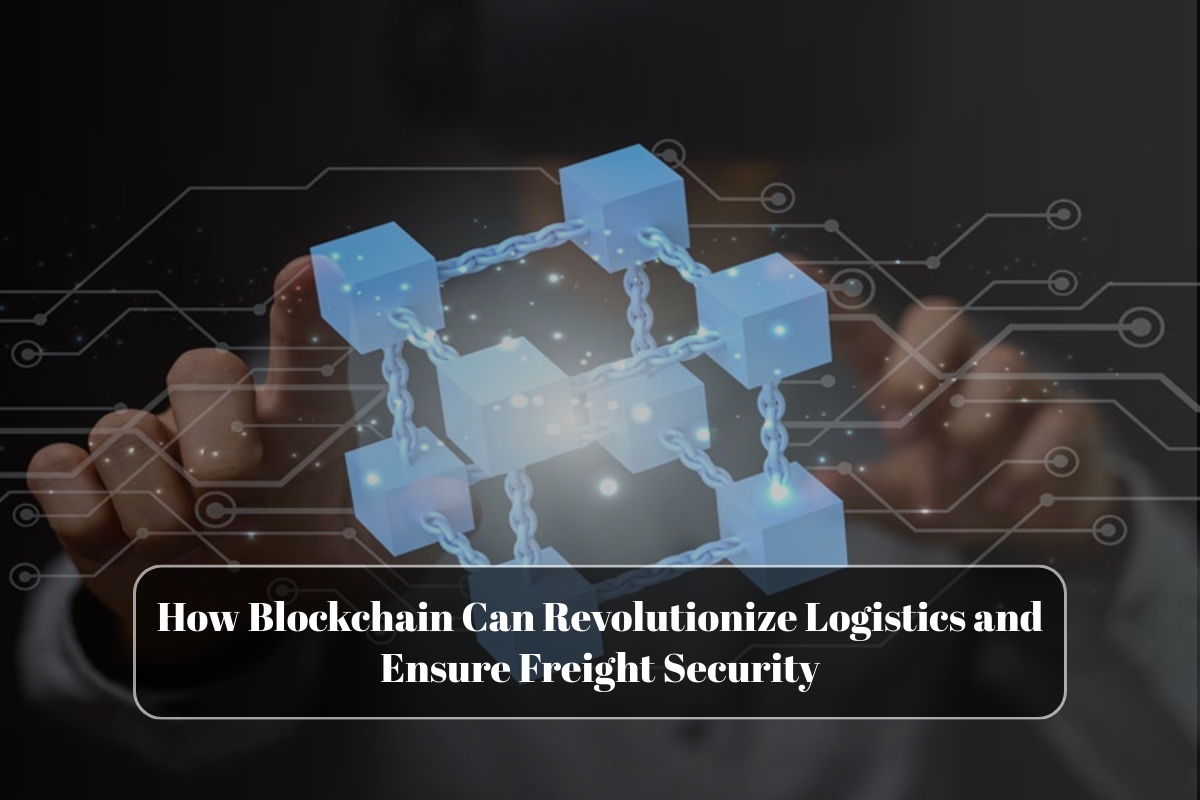
IoT-blockchain hybrids ensure tamper-proof records for hazmat or customs, speeding clearances at borders. AI evolves tracking into predictive control, forecasting demand to preempt shortages. Adoption aligns with 2026 DOT mandates for advanced telematics, positioning firms ahead.
Real-time tracking fortifies resilience, turning visibility into actionable control for enduring supply chain dominance.
FAQs
Q. How does real-time tracking improve route efficiency?
GPS and AI reroute around traffic or weather in real-time, cutting transit by 10-20% and fuel use while respecting FMCSA HOS limits.
Q. What security benefits come from logistics tracking?
Geo-fencing, tamper sensors, and instant alerts prevent theft and unauthorized access, reducing claims by 35% in high-risk U.S. corridors.
Q. Why provide customers with live visibility?
Portals deliver accurate ETAs, reducing inquiries 40% and building trust with proactive updates amid e-commerce demands.
Q. How much can businesses save with tracking systems?
15-25% on fuel, detention, and labor via optimized routes, fewer delays, and predictive maintenance in $1.8T logistics.
Q. What role does tracking play in inventory control?
Live data syncs in-transit goods with stocks, minimizing overstock (25% capital waste) and enabling JIT for lean operations.