US transportation safety standards, enforced by FMCSA, DOT, and PHMSA, safeguard freight operations amid 2025’s rising volumes and tech integrations like autonomous vehicles. These regulations minimize accidents, hazmat risks, and emissions, with compliance vital for avoiding fines up to $30,000 per violation and license revocations.
FMCSA Hours-of-Service Rules
FMCSA mandates electronic logging devices (ELDs) for truck drivers, capping 11-hour driving shifts after 14-hour windows and requiring 10-hour off-duty rest. Exceptions like adverse weather allow flexibility, but 2025 updates tighten sleeper berth options to combat fatigue-linked crashes, which cause 13% of fatal incidents. Carriers must audit logs quarterly, facing audits via roadside inspections.
Vehicle Maintenance and Inspections
DOT requires annual inspections for brakes, tires, and lights, with CVSA Level I checks at weigh stations verifying 50+ items. Pre-trip inspections by drivers log defects, mandating immediate repairs to prevent failures like the 20% tire-related accidents. Telematics integration aids predictive maintenance, aligning with FMCSA’s Safety Measurement System ratings.
Hazardous Materials Handling
PHMSA governs hazmat via 49 CFR, classifying materials into nine classes and requiring placards, training, and shipping papers for trucks, rail, and air. Security plans counter terrorism risks, with 2025 enhancements for lithium batteries limiting air shipments to 100Wh. Spills demand immediate reporting, with penalties escalating for repeats.
Cargo Securement Standards
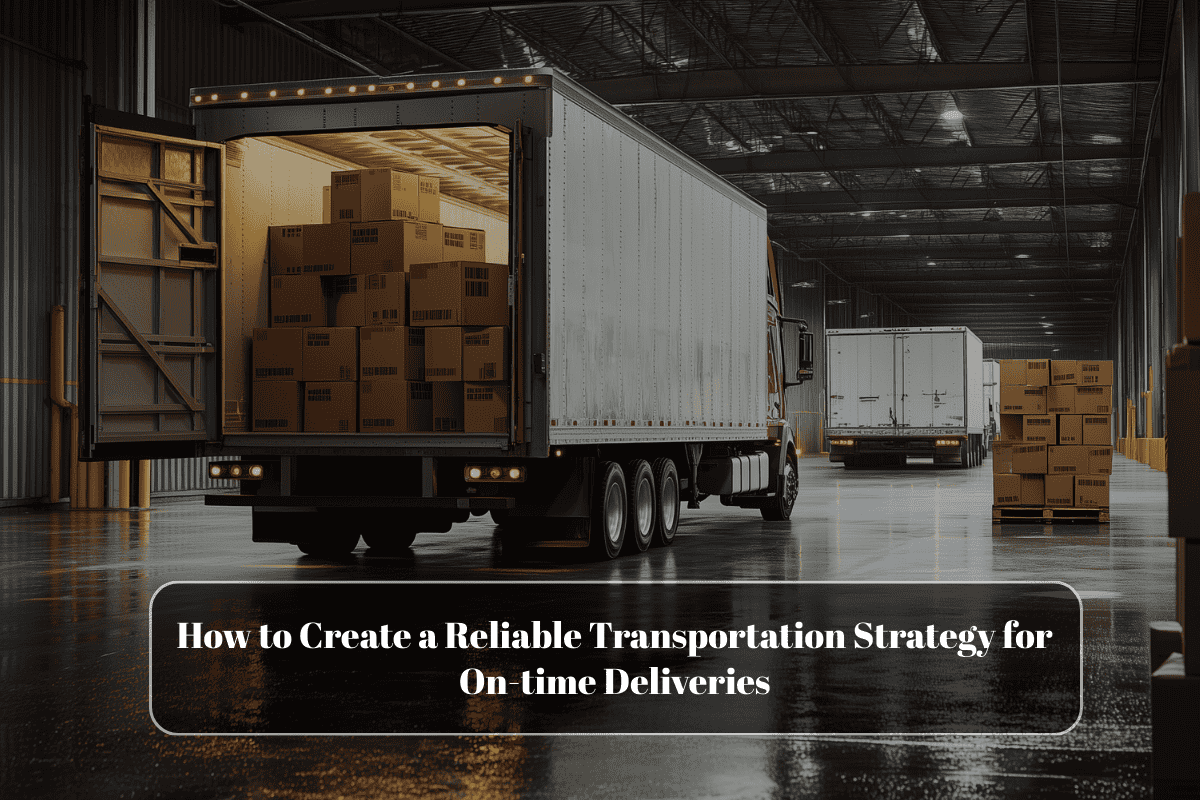
FMCSA’s cargo securement rules (393.100-136) demand tie-downs rated at 50% of cargo weight, preventing shifts on curves or stops. Specifics vary by load—chains for lumber, straps for machinery—with working load limits posted. Enforcement via e-inspections rose 15% in 2025, targeting unsecured loads in 25% of violations.
Driver Qualifications and Training
CDL holders need medical certifications every 24 months, plus hazmat endorsements with TSA background checks. Entry-Level Driver Training (ELDT) mandates 160 hours for new drivers since 2022, covering behind-the-wheel and theory. Random drug/alcohol testing hits 50% annually, with positives barring operations.
Environmental and Emerging Regs
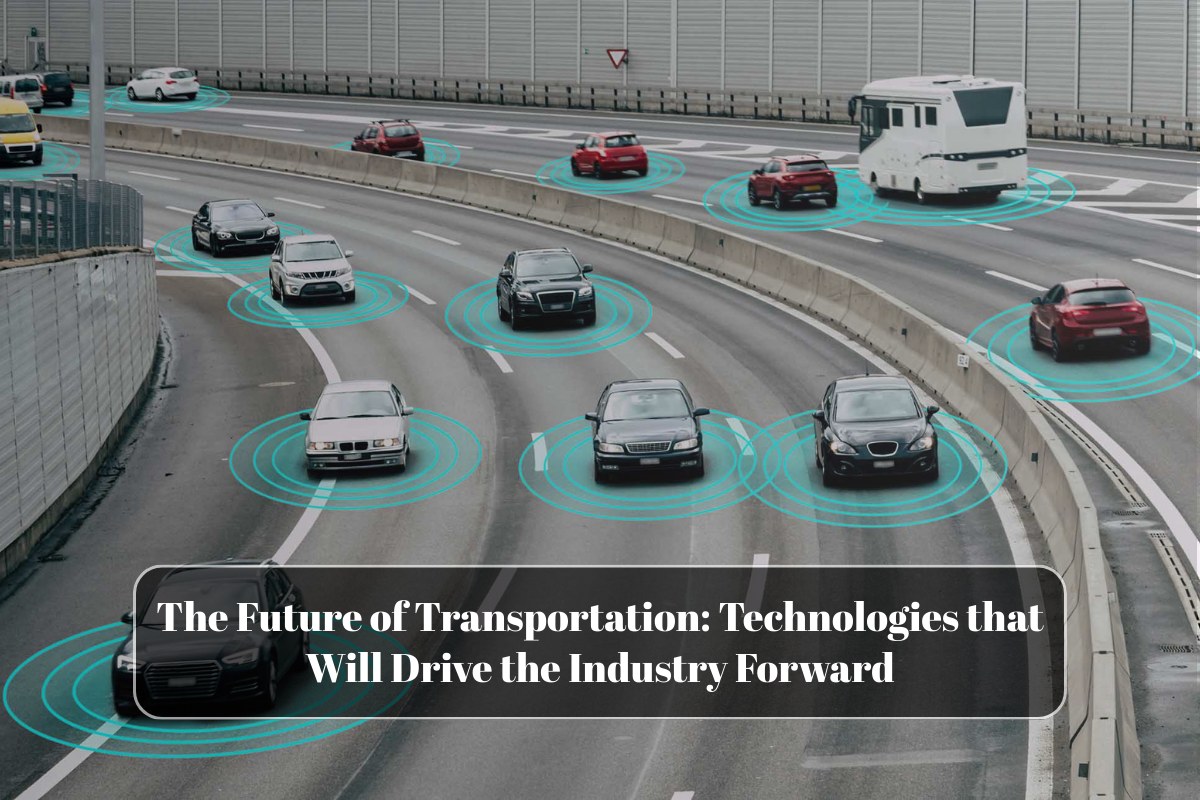
EPA’s SmartWay program incentivizes low-emission fleets, while 2025 Phase 3 GHG standards cut truck NOx by 90%. Autonomous pilots fall under NHTSA guidelines, requiring human oversight. Cybersecurity rules protect ELDs from hacks, vital as connected vehicles proliferate.
Compliance Tools and Best Practices
Use TMS software for automated compliance tracking and partner with vetted 3PLs.
Enforcement and Audits
FMCSA’s SMS scores carriers on crashes, inspections, and violations, with high-risk ones facing interventions. Roadside tech like weigh-in-motion flags issues instantly. Businesses conduct self-audits, train via ATA resources, and appeal CSA scores to maintain operations.
FAQs
Q1. What are FMCSA hours-of-service limits?
11 hours driving max after 14-hour shift, with 10-hour rest; ELDs enforce.
Q2. How often must vehicles be inspected?
Annually by certified techs, plus daily pre-trip driver checks.
Q3. What training is required for hazmat drivers?
PHMSA-approved courses, TSA background, and recurrent every 3 years.
Q4. Why secure cargo to 50% of its weight?
Prevents shifting; FMCSA standard for tie-down working load limits.
Q5. How does EPA regulate freight emissions?
SmartWay and GHG Phase 3 standards promote efficient, low-NOx fleets.