Fast and reliable deliveries are no longer a competitive advantage—they are a customer expectation. Whether supporting e-commerce, manufacturing, healthcare, or food distribution, an efficient transportation network is the backbone of modern supply chains. Building such a network requires more than adding vehicles or routes; it demands strategic design, process integration, and continuous optimization across the entire logistics ecosystem.
Define Clear Service Objectives First
Efficiency begins with clarity. Before designing routes or selecting carriers, organizations must define service objectives such as delivery speed, reliability targets, geographic coverage, and cost thresholds.
Clear objectives help answer critical questions:
- What delivery timeframes are required (same-day, next-day, standard)?
- Which customers or products need priority handling?
- What level of delivery reliability is non-negotiable?
Without defined goals, transportation networks grow reactively and inefficiently.
Design a Network Aligned With Demand Patterns
An efficient transportation network mirrors demand. Analyzing order volumes, delivery frequencies, and geographic distribution allows businesses to position hubs, warehouses, and cross-docks strategically.
Key design considerations include:
- Proximity to customers and suppliers
- Balancing centralized vs. decentralized distribution
- Reducing unnecessary handoffs and distance traveled
Well-aligned networks shorten transit times and reduce fuel, labor, and handling costs.
Optimize Routing and Mode Selection
Routing efficiency directly impacts delivery speed and reliability. Advanced route planning considers traffic patterns, delivery windows, vehicle capacity, and road conditions to minimize delays.
Equally important is selecting the right transportation mode. Combining road, air, rail, or last-mile solutions ensures speed where needed and cost control where possible. Global operators like DHL excel by integrating multiple modes within a single coordinated network.
Leverage Technology for Visibility and Control
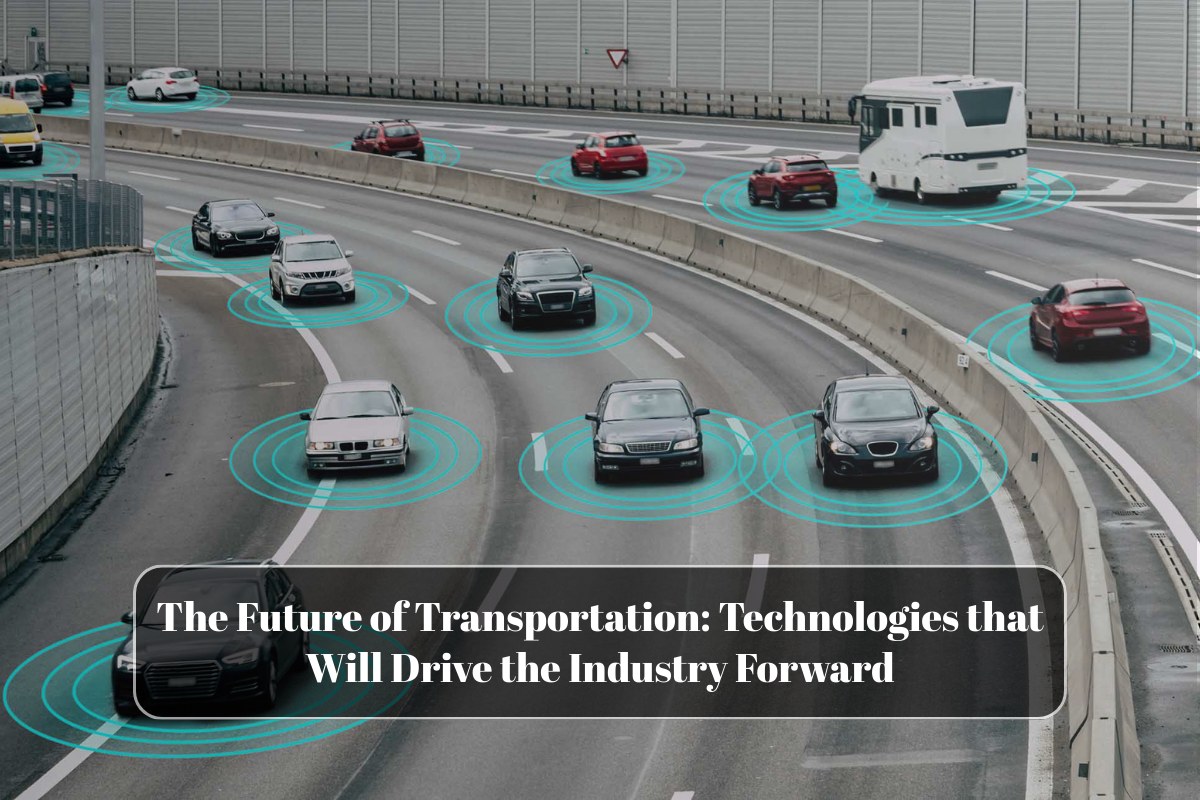
Modern transportation networks rely on real-time data. Transportation management systems (TMS), GPS tracking, and predictive analytics provide visibility across shipments, vehicles, and routes.
Technology enables:
- Real-time tracking and exception alerts
- Proactive rerouting during disruptions
- Performance measurement across carriers and lanes
Visibility transforms transportation from reactive problem-solving into proactive performance management.
Build Strong Carrier and Partner Relationships
Even the best-designed network depends on reliable execution. Building strong partnerships with carriers and last-mile providers improves consistency and flexibility.
Effective partnerships involve:
- Clear service-level agreements (SLAs)
- Shared performance metrics
- Collaborative planning and communication
Companies such as UPS emphasize network reliability by aligning operational standards across partners and regions.
Standardize Processes to Reduce Variability
Variability is the enemy of reliability. Standardizing transportation processes—booking, loading, documentation, and handoffs—reduces errors and delays.
Process standardization:
- Improves predictability across routes
- Simplifies training and scaling
- Enables accurate performance comparisons
Consistency allows networks to scale without losing speed or reliability.
Plan for Disruptions and Build Resilience
Delays are inevitable; breakdowns are not. Efficient transportation networks are designed with resilience in mind.
This includes:
- Alternative routes and backup carriers
- Contingency plans for weather or labor disruptions
- Buffer capacity for demand spikes
Resilient networks maintain service levels even when conditions change unexpectedly.
Measure Performance and Continuously Improve
What gets measured gets improved. Key performance indicators such as on-time delivery, transit time variance, cost per shipment, and damage rates reveal where networks perform well—and where they do not.
Regular performance reviews enable data-driven improvements, helping transportation networks evolve alongside customer expectations and market conditions.
Balance Speed, Cost, and Sustainability
Efficiency is not just about speed. Rising fuel costs and environmental concerns require transportation networks to balance fast delivery with sustainable practices.
Optimized routing, load consolidation, fuel-efficient vehicles, and reduced empty miles lower emissions while preserving reliability. Sustainable efficiency is increasingly a requirement for long-term competitiveness.
FAQs
What is the most important factor in transportation network efficiency?
Alignment between service objectives, demand patterns, and network design is the foundation of efficiency.
How does technology improve delivery reliability?
Technology provides real-time visibility, predictive insights, and faster responses to disruptions, reducing delays.
Is faster delivery always more expensive?
Not necessarily. Optimized routing, better hub placement, and load consolidation can improve speed without increasing costs.
How do partnerships affect transportation performance?
Strong carrier relationships improve consistency, flexibility, and service reliability across the network.
Can small businesses build efficient transportation networks?
Yes. Even small operations benefit from clear objectives, standardized processes, and basic visibility tools.