Experienced drivers significantly boost US transportation performance by reducing accidents, optimizing fuel efficiency, and ensuring on-time deliveries amid 2025’s driver shortages and FMCSA regulations. With trucking handling 70% of domestic freight, veterans’ skills in hazard recognition and load management cut costs and risks, outperforming novices by 20-30% in safety metrics.
Safety Improvements from Experience
Seasoned drivers spot risks like black ice or tailgaters faster, slashing crash rates by 40% compared to those under two years, per FMCSA data. Their adherence to hours-of-service via ELDs prevents fatigue, vital as violations cause 13% of fatal wrecks. Experience hones defensive maneuvers, lowering CSA scores and insurance premiums for carriers.
Fuel Efficiency and Cost Savings
Veterans employ techniques like smooth acceleration and engine braking, achieving 5-10% better MPG on long hauls, saving fleets thousands amid volatile diesel prices. Route familiarity avoids idling and deadhead miles, aligning with EPA SmartWay goals for emission cuts. Novices waste fuel through aggressive habits, inflating operational costs by up to 15%.
On-Time Delivery and Reliability
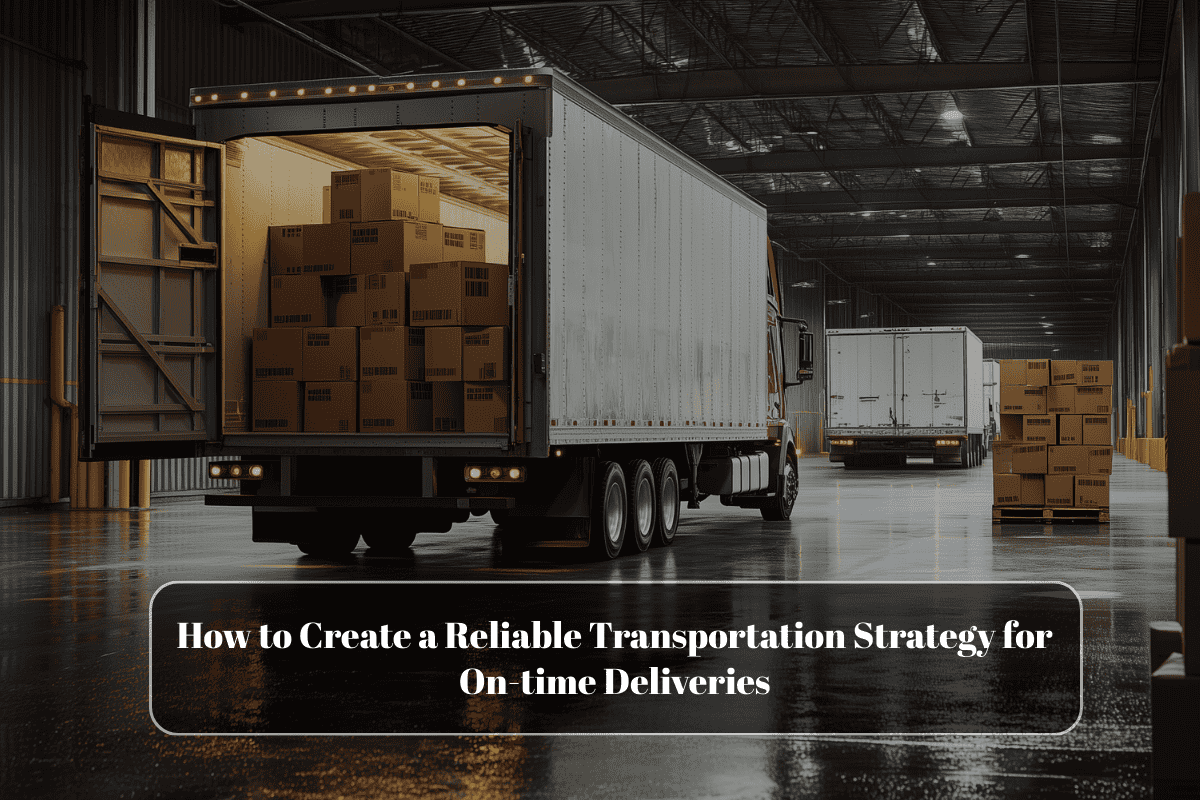
Experienced drivers navigate delays via backups like weigh station skips or weather reroutes, hitting 95%+ OTIF rates essential for just-in-time supply chains. Their cargo securement expertise prevents shifts, dodging detention fees under FMCSA 393 rules. This reliability secures contracts in competitive e-commerce logistics.
Cargo Protection and Damage Reduction
Years on the road teach proper tie-downs for 50% weight capacity, minimizing claims from shifting loads in 25% of violations. Vets handle hazmat per PHMSA protocols with precision, reducing spills for chemicals or reefers preserving perishables. Damage incidents drop 35% with experienced hands, protecting perishable and high-value freight.
Regulatory Compliance and Training Value
ELDT mandates 160 hours for newbies, but veterans mentor via OJT, accelerating proficiency in CDL renewals and medical certs. Random drug testing compliance rises with experience, avoiding operational bans. Carriers prioritize 3+ year drivers for lower SMS violations, enhancing overall fleet ratings.
Performance Metrics Comparison
Experience compounds across operations.
Retention Strategies and Industry Impact
US fleets combat 20-30% turnover by offering bonuses to veterans, using telematics for performance feedback. AI aids but can’t replace human judgment in edge cases like urban congestion. Prioritizing experience builds resilient networks, countering shortages projected at 80,000 drivers in 2025.
Future Role Amid Automation
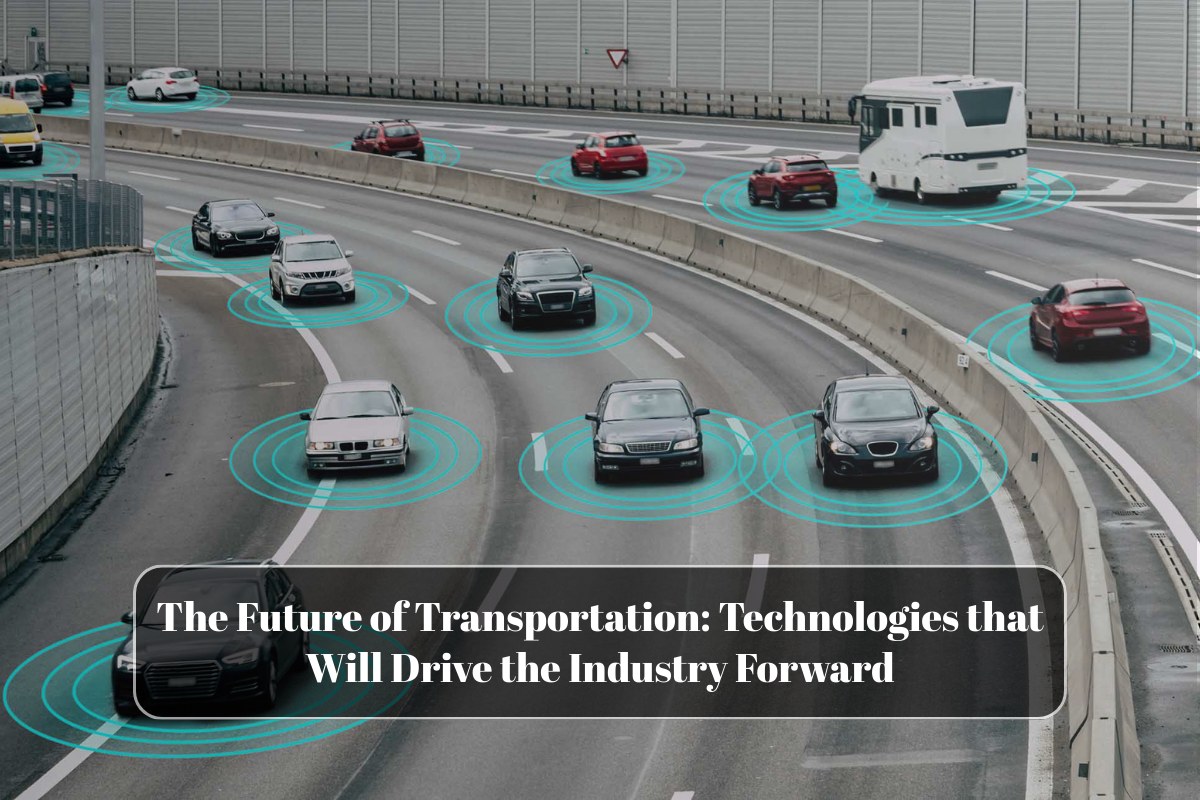
Autonomous tech shifts vets to oversight, leveraging their diagnostics for platooning and drone handoffs. Training evolves to hybrid skills, ensuring performance edges in mixed fleets under NHTSA pilots.
FAQs
Q1. How does experience reduce truck crash rates?
Vets identify hazards 40% better, adhering to ELD fatigue rules.
Q2. What fuel savings do experienced drivers provide?
5-10% MPG gains via efficient habits, cutting fleet costs.
Q3. Why do vets improve delivery reliability?
Route savvy and securement hit high OTIF amid disruptions.
Q4. How does experience lower cargo damage?
Proper handling drops claims 35% per FMCSA standards.
Q5. What role do experienced drivers play in compliance?
Mentoring ensures ELDT success and low SMS violations.