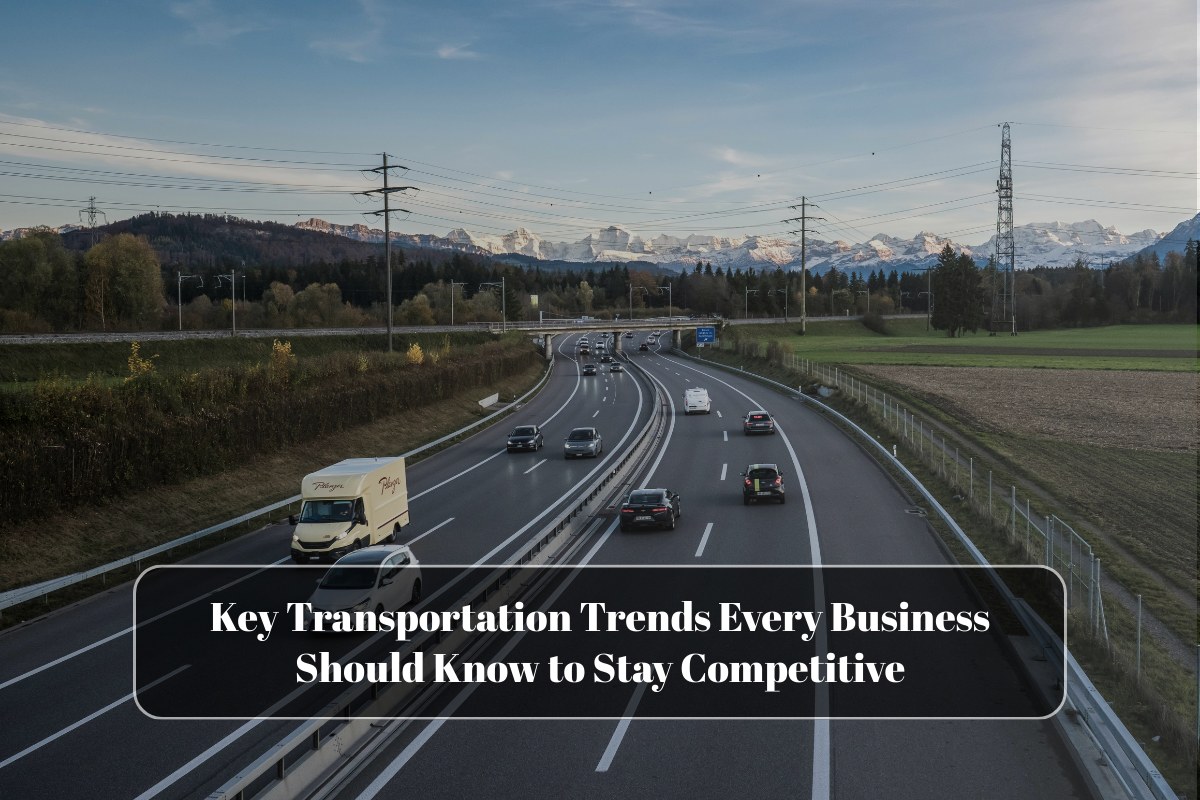
Transportation is a vital component of any business that deals with logistics, shipping, or delivery. As global markets become more interconnected and customer expectations evolve, businesses must adapt to new trends in the transportation sector to remain competitive.
From advancements in technology to shifting consumer demands, the landscape of transportation is continuously changing. By staying ahead of these trends, businesses can improve efficiency, reduce costs, and enhance customer satisfaction.
In this article, we explore the key transportation trends that every business should be aware of to maintain competitiveness in an increasingly dynamic market.
1. The Rise of E-Commerce and Last-Mile Delivery Solutions
The exponential growth of e-commerce has transformed the transportation industry, especially when it comes to last-mile delivery. As consumers increasingly demand fast and reliable delivery options, businesses must adapt their logistics strategies to ensure they meet these expectations.
How It Affects Businesses:
- Consumer Expectations: Consumers now expect same-day or next-day delivery, requiring businesses to streamline their last-mile delivery solutions.
- Delivery Infrastructure: The demand for faster delivery has prompted the development of localized warehouses or distribution centers to get goods closer to consumers.
- Increased Competition: E-commerce giants like Amazon have raised the bar for delivery speeds, forcing smaller businesses to rethink their transportation strategies.
Key Solutions:
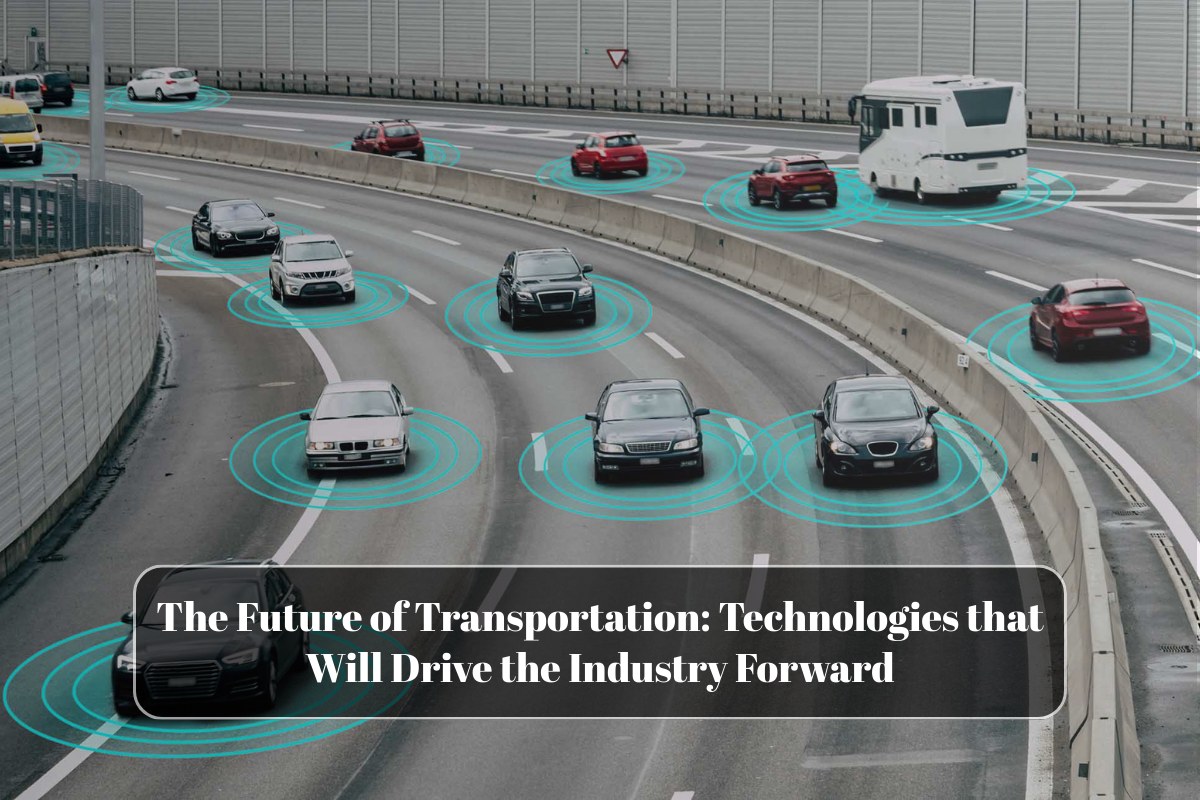
- Use of Drones and Autonomous Vehicles: Companies are exploring drones and autonomous vehicles as alternatives for last-mile delivery, which could reduce delivery times and costs.
- Third-Party Delivery Services: Many businesses are partnering with third-party logistics providers or delivery platforms that specialize in fast, local delivery solutions.
- Urban Warehousing: To meet demand, businesses are investing in urban warehouses or fulfillment centers strategically located in cities to speed up last-mile delivery.
Benefits:
- Improved Customer Experience: Faster and more reliable delivery increases customer satisfaction and loyalty.
- Cost Efficiency: Optimizing last-mile logistics can lead to cost savings, especially in densely populated urban areas.
2. Sustainability and Green Logistics
Sustainability is an increasingly important issue for businesses and consumers alike. As environmental concerns grow, businesses must adapt their transportation practices to reduce their carbon footprint and meet regulatory requirements for emissions and waste reduction.
How It Affects Businesses:
- Government Regulations: Many governments are imposing stricter environmental regulations on transportation emissions, especially in Europe and North America. Compliance with these regulations is essential for avoiding fines and maintaining brand reputation.
- Consumer Demand for Sustainability: Consumers are becoming more environmentally conscious and prefer brands that prioritize sustainability in their operations, including transportation.
- Long-Term Cost Savings: Sustainable practices, such as using electric vehicles (EVs) or optimizing delivery routes, can reduce operational costs in the long run.
Key Solutions:
- Electric and Hybrid Vehicles: Transitioning to electric or hybrid vehicles can reduce carbon emissions and operating costs, particularly for fleets involved in local delivery.
- Green Packaging and Carbon Offsetting: Many businesses are adopting eco-friendly packaging and investing in carbon offset programs to mitigate the environmental impact of their transportation activities.
- Route Optimization Technology: Advanced software and GPS tracking allow businesses to optimize delivery routes, reduce fuel consumption, and minimize environmental impact.
Benefits:
- Regulatory Compliance: Meeting environmental standards ensures businesses avoid penalties and can continue operations in certain regions.
- Brand Loyalty: Sustainable practices improve a company’s brand image and appeal to eco-conscious consumers.
- Cost Reduction: Long-term savings from fuel efficiency and renewable energy adoption make sustainability a smart business strategy.
3. Digitalization and Automation in Logistics
Technology is revolutionizing transportation and logistics, making operations more efficient, cost-effective, and transparent. The digitalization of transportation management systems (TMS), the use of big data, and automation are key trends that businesses must embrace to stay competitive.
How It Affects Businesses:
- Operational Efficiency: Automated systems help streamline logistics operations, reduce human error, and optimize routes, leading to better resource utilization.
- Transparency and Tracking: Digital platforms provide real-time tracking of shipments, enhancing visibility and customer satisfaction.
- Data-Driven Decisions: The use of big data and analytics enables businesses to predict demand, optimize supply chains, and enhance decision-making.
Key Solutions:
- Transportation Management Systems (TMS): These systems provide a centralized platform to manage routes, shipments, and inventory. TMS platforms can automate key processes, including booking, scheduling, and tracking.
- Robotics and Autonomous Vehicles: Automated warehouses and autonomous delivery vehicles are reducing human labor costs and improving the speed and accuracy of logistics operations.
- Blockchain Technology: Blockchain is being explored for its ability to improve transparency and security in supply chains, providing an immutable record of transactions and shipments.
Benefits:
- Improved Efficiency: Digitalization and automation reduce manual work, speed up operations, and minimize errors, leading to lower costs.
- Enhanced Customer Experience: Real-time tracking and visibility improve communication with customers, enhancing their experience.
- Data Insights: Access to actionable data helps businesses make informed decisions and optimize their logistics strategy.
4. Transportation-as-a-Service (TaaS)
Transportation-as-a-Service (TaaS) is a growing trend in which businesses outsource their transportation needs to specialized providers rather than maintaining their own fleets. This model allows businesses to access transportation resources on-demand, reducing capital expenditures and offering flexibility as demand fluctuates.
How It Affects Businesses:
- Cost Savings: Outsourcing transportation needs reduces the upfront investment in vehicles, maintenance, and insurance, allowing businesses to operate more cost-effectively.
- Flexibility and Scalability: TaaS providers offer scalable services that can be adjusted based on business needs, whether it’s for peak seasons or expanding into new regions.
- Focus on Core Competencies: Outsourcing transportation enables businesses to focus on their core competencies, such as product development, marketing, and customer service.
Key Solutions:
- Third-Party Logistics Providers (3PLs): Many businesses are partnering with 3PLs to handle warehousing, transportation, and distribution, improving efficiency and scalability.
- Fleet Management Services: Some companies use fleet management providers to rent or lease vehicles as needed, which can be more cost-effective than owning a fleet.
- On-Demand Delivery Platforms: Companies are increasingly leveraging on-demand platforms like Uber Freight or local delivery services to fulfill transportation needs, providing a more agile solution.
Benefits:
- Reduced Capital Expenditures: With TaaS, businesses only pay for the transportation services they use, helping to lower capital costs.
- Operational Flexibility: This model enables businesses to scale transportation needs up or down quickly in response to market conditions.
- Improved Focus on Core Business: Outsourcing logistics allows businesses to focus on activities that generate more value, while experts handle transportation logistics.
5. The Adoption of Electric Vehicles (EVs)
As part of the shift toward more sustainable practices, electric vehicles (EVs) are becoming a viable alternative for businesses with transportation fleets. EVs offer significant environmental benefits, lower operating costs, and align with the growing consumer demand for greener solutions.
How It Affects Businesses:
- Lower Operating Costs: EVs have fewer moving parts than traditional internal combustion engine vehicles, reducing maintenance and fuel costs.
- Regulatory Pressure: Many regions are imposing stricter emissions regulations, and businesses that adopt EVs can comply with these regulations while reducing their environmental impact.
- Brand Perception: Businesses that incorporate EVs into their fleets demonstrate their commitment to sustainability, which can strengthen their brand and attract eco-conscious customers.
Key Solutions:
- Investing in EV Fleets: Businesses with delivery or service fleets can transition to electric vehicles, reducing the overall carbon footprint of their operations.
- Charging Infrastructure: To support EV adoption, businesses are investing in on-site charging stations or utilizing public charging infrastructure.
- EV Integration Software: Advanced fleet management software helps businesses optimize routes for EVs, taking into account factors like range and charging stations.
Benefits:
- Cost Efficiency: EVs offer long-term savings on fuel and maintenance, making them a financially viable option for businesses.
- Environmental Impact: By adopting EVs, businesses can significantly reduce their carbon footprint, aligning with sustainability goals and regulations.
- Brand Loyalty: Businesses that prioritize sustainability attract customers who value eco-friendly practices, enhancing brand loyalty.
Transportation is a critical part of every business, and staying on top of industry trends is essential to remaining competitive. As e-commerce grows, sustainability becomes a higher priority, and technology advances, businesses must adapt to these changes by adopting new strategies and tools.
From leveraging last-mile delivery solutions and automation to embracing electric vehicles and transportation-as-a-service models, businesses that align themselves with these trends can improve efficiency, reduce costs, and enhance customer satisfaction.
By staying informed and agile, businesses can position themselves for success in the evolving transportation landscape, ensuring they continue to meet the demands of the market while maintaining a competitive edge.
FAQs
How can e-commerce businesses improve last-mile delivery efficiency?
E-commerce businesses can improve last-mile delivery by partnering with third-party logistics providers, using local fulfillment centers, leveraging drones or autonomous vehicles for faster deliveries, and optimizing delivery routes with technology.
What are the cost benefits of switching to electric vehicles for a fleet?
Electric vehicles typically have lower maintenance costs and fuel expenses compared to traditional combustion engine vehicles, leading to long-term savings. Additionally, EVs help companies avoid regulatory penalties related to emissions.
What role does sustainability play in transportation trends?
Sustainability is increasingly important to both consumers and regulators. Businesses adopting greener transportation practices, such as using electric vehicles or optimizing routes, can improve their environmental impact, reduce costs, and enhance brand loyalty.
What is the impact of digitalization on transportation?
Digitalization improves transportation efficiency by providing real-time tracking, automating routes, and enabling better resource management. It also allows businesses to make data-driven decisions that enhance operational performance and customer service.
How can businesses stay competitive in the transportation sector?
To stay competitive, businesses should keep up with technological advancements, embrace sustainable practices, optimize their logistics operations, and continuously adapt to changing consumer demands, such as faster delivery times and greener practices.