Transportation is a crucial pillar of the global economy, facilitating the movement of people, goods, and services. Over the years, transportation services have evolved significantly to keep pace with the rapidly changing economic landscape.
Innovations in technology, shifts in consumer demands, and changing environmental regulations have transformed how transportation systems operate, how businesses deliver goods, and how people commute. This evolution continues as industries adapt to new challenges and opportunities, reshaping the way we think about mobility and logistics.
In this article, we’ll explore the key milestones in the evolution of transportation services, examine current trends, and look at what the future of transportation might hold as economies continue to evolve.
1. Early Transportation Systems: Horse-Drawn Carts to Trains
The history of transportation services can be traced back to ancient civilizations, where basic systems like horse-drawn carts were the primary means of moving goods and people. These early transportation methods were slow, limited in scope, and reliant on natural resources like animal power.
However, the Industrial Revolution in the 18th and 19th centuries marked a significant turning point. The introduction of steam engines led to the creation of trains and steamships, revolutionizing long-distance travel and cargo transport.
Key Developments:
- Railroads: The advent of railroads dramatically changed the transport of goods and passengers. Railways became the backbone of industrial economies, allowing for faster, more efficient movement of large quantities of raw materials and finished goods.
- Steamships: Alongside railways, steamships enabled global trade by improving sea transportation and connecting distant continents.
These advancements laid the foundation for the complex transportation systems we rely on today.
2. The Rise of Automobiles and Air Travel
The early 20th century saw another major shift with the mass production of automobiles and the development of commercial aviation. Henry Ford’s introduction of the assembly line in 1913 made automobiles affordable and accessible, changing the personal mobility landscape forever.
As cars became the primary mode of personal transportation, the demand for improved road infrastructure grew. This led to the creation of highways, interstates, and a broader network of roads that facilitated suburban sprawl and transformed the way people lived and worked.
In parallel, the development of air travel opened up new possibilities for long-distance transportation. Commercial air travel became a viable option for people and goods, reducing travel times and enabling global connections like never before.
Key Developments:
- Automobiles: Mass production and the expansion of road infrastructure made personal vehicles a staple of modern life, contributing to the rise of the middle class and suburbanization.
- Air Travel: The introduction of commercial airlines made it possible to travel across the globe in a matter of hours, fueling the growth of the global economy and international trade.
This era of personal automobiles and air travel expanded mobility options, fundamentally changing both consumer lifestyles and business operations.
3. The Logistics Revolution and Global Supply Chains
As globalization took hold in the latter half of the 20th century, the need for faster, more efficient transportation of goods became critical. Logistics companies and freight services experienced a revolution as containerization, technology, and new transportation models emerged to support global supply chains.
Containerization, the practice of using standardized shipping containers, allowed for faster loading and unloading, reducing the cost and time associated with shipping goods across the world. The rise of international shipping companies, like Maersk, and the expansion of air freight services further enhanced global trade capabilities.
At the same time, advancements in communication and information technology enabled better tracking, management, and coordination of logistics operations, improving efficiency and reliability.
Key Developments:
- Container Shipping: Standardized containers revolutionized shipping by reducing handling costs, increasing efficiency, and enabling seamless intermodal transportation (rail, road, and sea).
- Global Supply Chains: As transportation services improved, companies could source materials, manufacture products, and sell to global markets, leading to the rise of global supply chains and international business networks.
The logistics revolution brought down the cost of goods, expanded global trade, and integrated economies worldwide, making transportation services more essential than ever to the global economy.
4. The Digital Era: Ride-Sharing, E-Commerce, and Autonomous Vehicles
The 21st century has seen a new wave of innovation in transportation services, driven largely by advancements in digital technology. The rise of ride-sharing services like Uber and Lyft disrupted traditional taxi and public transport models, offering consumers more convenience, flexibility, and lower costs. These services use digital platforms to connect drivers with passengers, creating a more efficient and personalized transportation experience.
E-commerce growth has also contributed to the evolution of transportation. The demand for fast, reliable delivery services has prompted businesses to invest heavily in logistics, including same-day or next-day delivery services. Companies like Amazon have pioneered the use of advanced transportation and delivery technologies, using drones, robots, and data analytics to streamline operations.
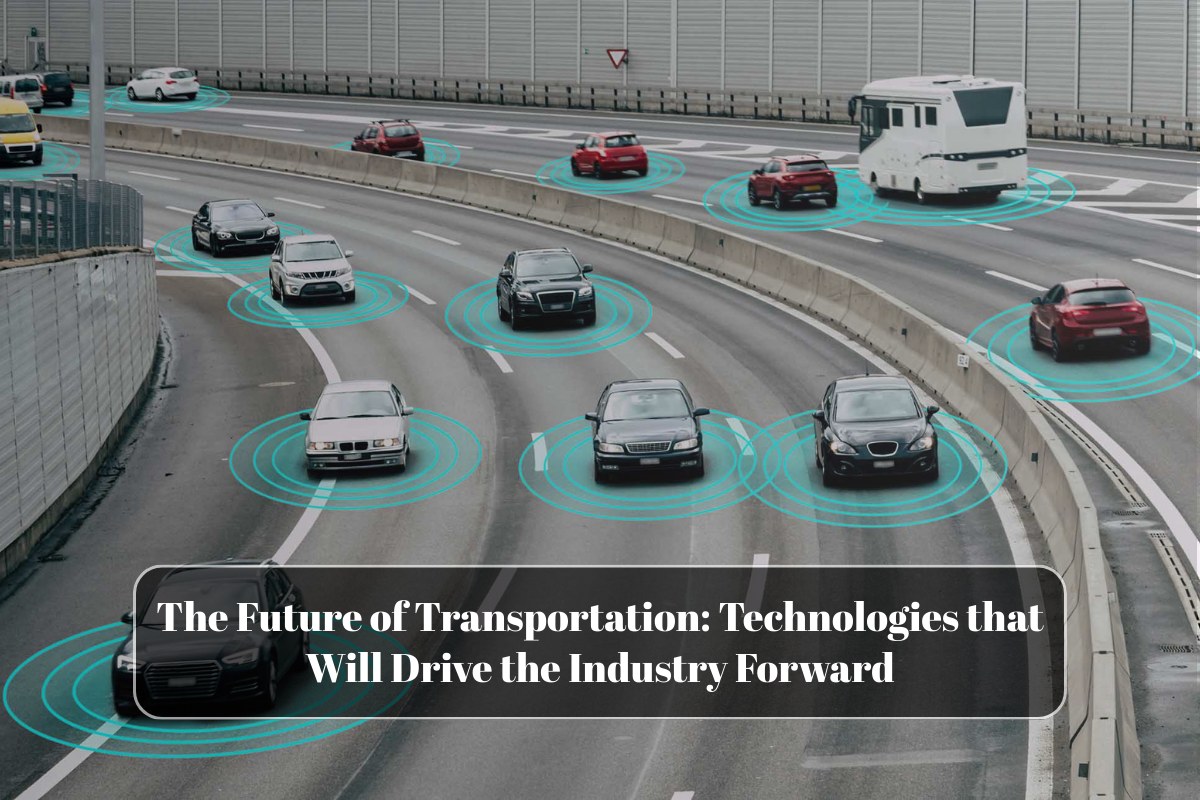
At the same time, autonomous vehicles (self-driving cars and trucks) have become a hot topic in transportation innovation. While fully autonomous vehicles are not yet widespread, progress is being made, and they promise to revolutionize personal transportation and freight logistics by reducing human error, improving safety, and increasing efficiency.
Key Developments:
- Ride-Sharing: Uber, Lyft, and other services have transformed urban transportation, reducing the need for car ownership and providing a more convenient, cost-effective alternative to traditional taxis.
- E-Commerce Logistics: With the rise of online shopping, fast and efficient last-mile delivery has become crucial. E-commerce giants are investing in innovative transportation methods like drones and autonomous delivery vehicles.
- Autonomous Vehicles: Self-driving technology promises to revolutionize personal transport, freight delivery, and public transit systems, improving safety, efficiency, and reducing the need for human drivers.
The digital era has not only transformed the way people commute but also how goods are transported, with increasing reliance on data, automation, and digital platforms.
5. Sustainability and the Future of Transportation
As the world faces growing concerns about climate change, there is an increasing focus on creating sustainable transportation solutions. The transportation sector is one of the largest contributors to carbon emissions, and as governments, businesses, and consumers become more environmentally conscious, there is a strong push for greener alternatives.
Electric vehicles (EVs), for example, are rapidly gaining popularity as a more sustainable option for personal transportation. Similarly, the adoption of green technologies in logistics, such as electric trucks and fuel-efficient vessels, is helping reduce emissions in the freight sector.
In addition to vehicle electrification, public transportation systems are evolving to become more efficient, energy-efficient, and accessible. Many cities are investing in smart infrastructure and green transit options like electric buses, high-speed trains, and bike-sharing systems to reduce their carbon footprint and make urban mobility more sustainable.
Key Developments:
- Electric Vehicles (EVs): The rise of EVs represents a shift toward cleaner, more sustainable personal transportation, with major automakers investing heavily in electric cars and charging infrastructure.
- Green Logistics: Freight companies are increasingly turning to sustainable practices, such as using electric trucks, optimizing supply chains to reduce emissions, and exploring alternative fuels like hydrogen.
- Public Transit Innovations: Cities around the world are investing in sustainable public transport solutions, including electric buses, smart mobility platforms, and rail systems to reduce congestion and emissions.
The focus on sustainability is reshaping the transportation industry, driving innovations that reduce environmental impact and support the transition to greener, more efficient transportation networks.
Frequently Asked Questions (FAQs)
Q. How has technology impacted transportation services?
Technology has revolutionized transportation by enabling the development of ride-sharing platforms, autonomous vehicles, electric cars, and advanced logistics systems. These innovations have increased convenience, efficiency, and sustainability in transportation.
Q. What role does sustainability play in the future of transportation?
Sustainability is becoming a central focus as the transportation sector seeks to reduce carbon emissions. The shift to electric vehicles, green logistics practices, and sustainable public transport options are key components of this transition.
Q. How has e-commerce affected transportation services?
E-commerce has significantly increased the demand for efficient, fast delivery services. Companies like Amazon are leading the way in developing innovative transportation methods, including drones and autonomous vehicles, to meet consumer demand for rapid delivery.
Q. Are autonomous vehicles the future of transportation?
While fully autonomous vehicles are not yet widespread, they hold great potential to transform personal and commercial transportation by reducing accidents, improving efficiency, and lowering operational costs. However, widespread adoption will depend on advancements in technology, regulation, and public acceptance.
Q. What are the main benefits of electric vehicles in transportation?
Electric vehicles offer significant environmental benefits by reducing greenhouse gas emissions, lower operating costs due to fewer moving parts, and less dependency on fossil fuels. EV adoption is key to creating a cleaner, more sustainable transportation system.