Transportation plays a critical role in the logistics and supply chain industry. However, with rising fuel costs, labor shortages, and the need for sustainability, businesses are continuously looking for ways to increase transportation efficiency.
Efficiency doesn’t only mean faster deliveries; it also involves cutting operational costs without compromising the quality of service. This article will explore effective transportation efficiency techniques that can reduce costs while maintaining service standards.
1. Route Optimization
One of the most effective ways to lower transportation costs is through route optimization. By using technology and data analytics, businesses can identify the most efficient routes for their fleet. Software solutions like GPS tracking, route-planning tools, and real-time traffic updates can help in reducing unnecessary detours, long hauls, and idle time.
Benefits of Route Optimization
- Reduced Fuel Consumption: Shorter and more direct routes reduce fuel usage, resulting in cost savings.
- Faster Deliveries: By avoiding traffic jams and delays, goods can be delivered faster, improving customer satisfaction.
- Lower Carbon Footprint: More efficient routing leads to lower emissions, supporting environmental sustainability.
2. Load Maximization
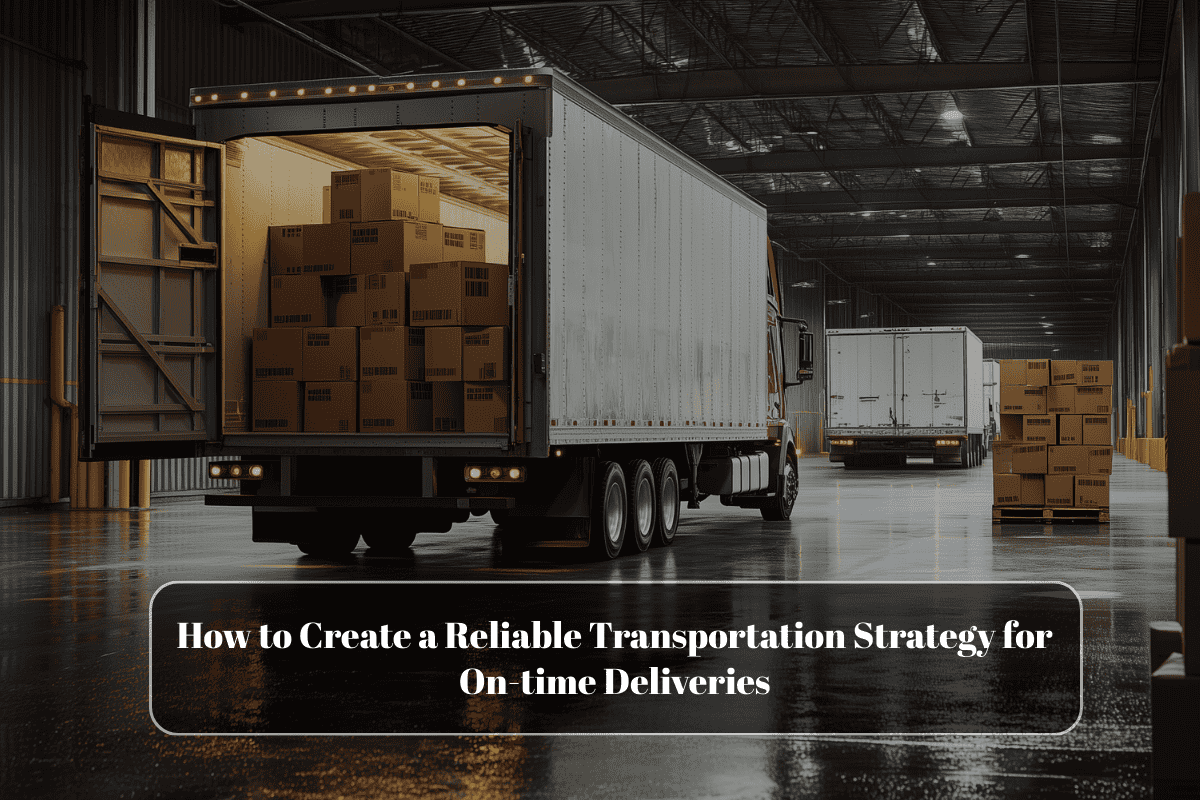
Another key technique is maximizing the load on each vehicle. Whether it’s a truck, van, or delivery van, ensuring that it is filled to capacity helps businesses cut transportation costs. Not only does this reduce the number of trips required, but it also optimizes vehicle usage and reduces wear and tear.
Strategies for Load Maximization
- Dynamic Load Planning: Technology solutions can help in planning deliveries and maximizing vehicle load in real-time.
- Consolidated Shipments: Combining shipments from multiple sources or customers into a single route can help fill the vehicle’s capacity, leading to fewer trips.
- Efficient Packaging: Proper packaging can reduce empty space in the cargo hold, allowing more goods to be shipped per vehicle.
3. Fuel Efficiency and Alternative Fuel Sources
Fuel is one of the largest expenses for transportation businesses. To reduce costs, investing in fuel-efficient vehicles and adopting alternative fuel sources can provide significant savings over time.
Fuel Efficiency Tips
- Maintain Regular Vehicle Maintenance: Well-maintained vehicles are more fuel-efficient, thus reducing overall costs.
- Driver Training: Training drivers on techniques like smooth acceleration, braking, and idling can improve fuel efficiency.
- Alternative Fuel Vehicles: Transitioning to electric or hybrid vehicles can help reduce reliance on traditional fuels, lowering costs in the long run.
4. Implementing Technology and Automation
Automation and advanced technology can streamline many aspects of transportation, reducing the need for manual labor and human error. Systems such as Transportation Management Systems (TMS) and warehouse automation tools can be implemented to optimize schedules, inventory management, and order fulfillment.
Key Technologies for Transportation Efficiency
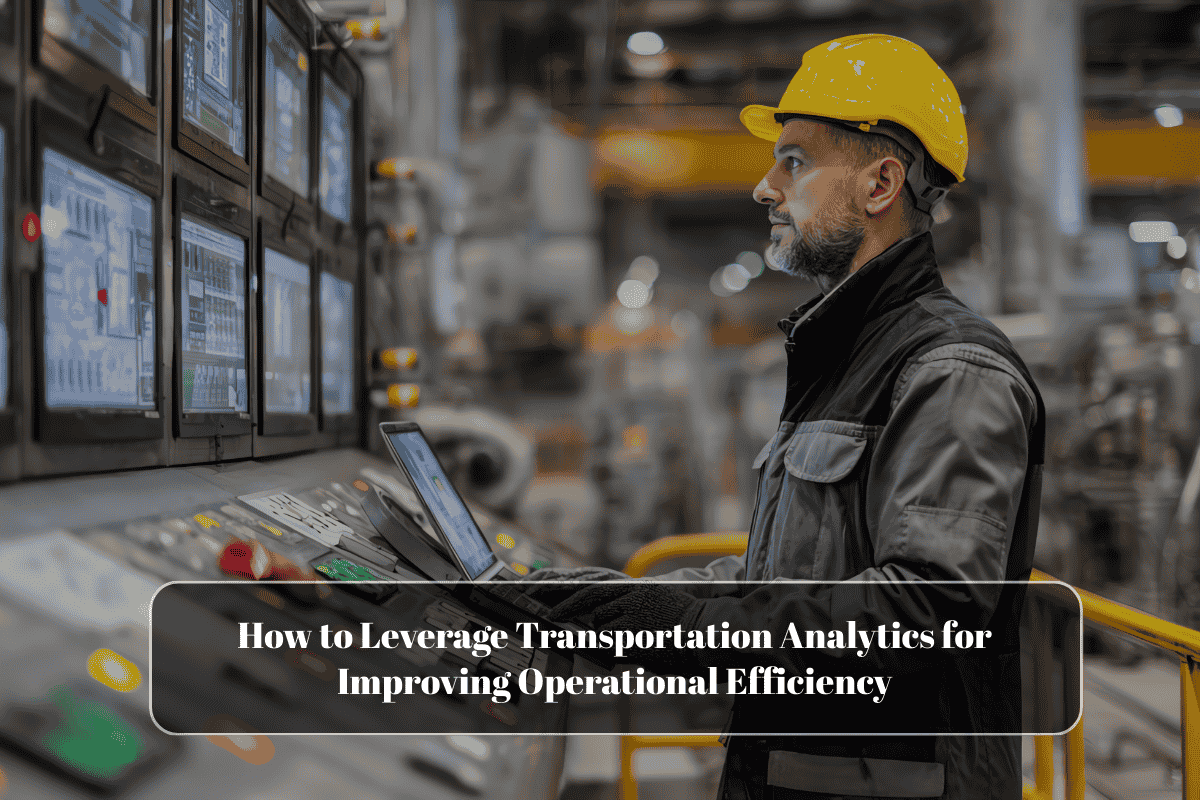
- Telematics: Using real-time data to monitor fleet performance, track vehicles, and predict maintenance needs can prevent costly repairs and downtime.
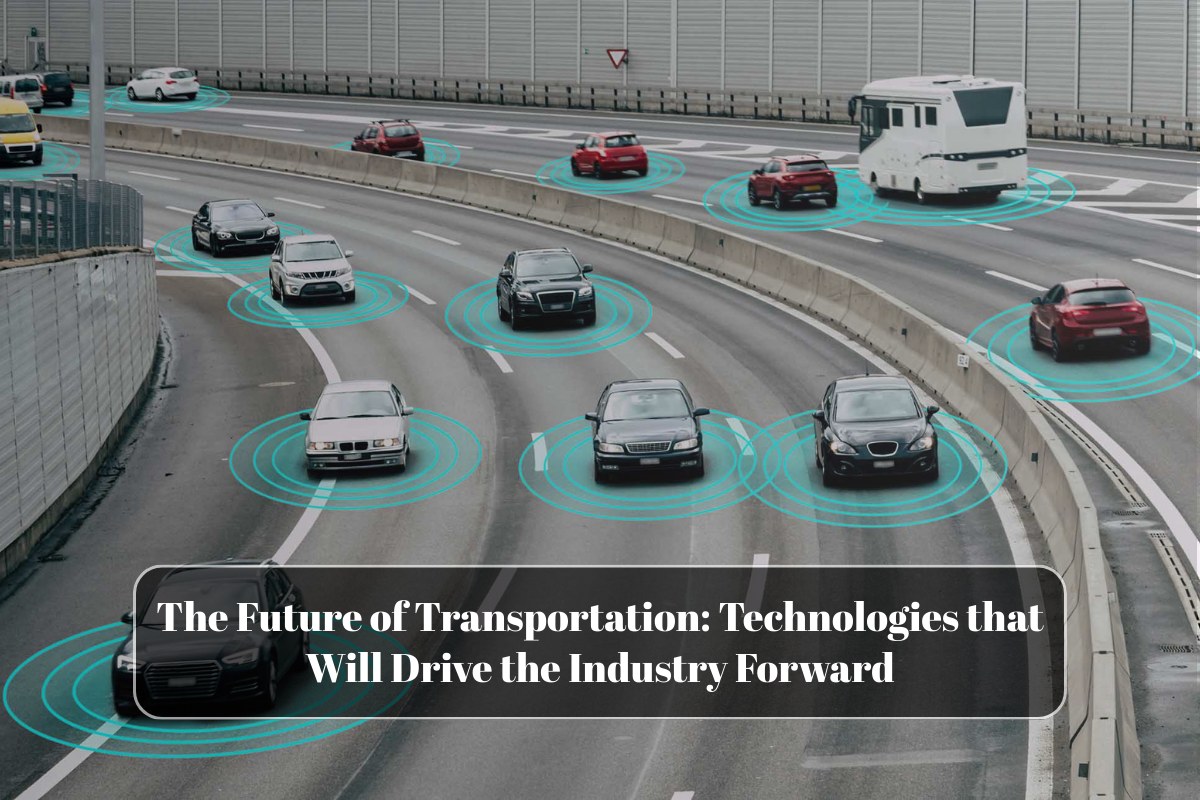
- Autonomous Vehicles: While still in the early stages, autonomous trucks have the potential to drastically reduce labor costs and improve route efficiency.
- Artificial Intelligence (AI): AI can help predict demand patterns, optimize routes, and reduce overall transportation costs.
5. Collaboration and Shared Resources
Collaboration with other companies or forming partnerships with third-party logistics providers (3PLs) is another technique that can reduce costs. By sharing resources, such as warehouses or trucks, businesses can reduce the number of vehicles needed, lower their fuel consumption, and cut overall expenses.
Benefits of Collaboration
- Cost Sharing: Pooling resources with other businesses can result in shared transportation costs, reducing overhead for all parties.
- Shared Risk: Risks associated with transportation, such as delays or accidents, are shared, leading to less financial burden on individual companies.
- Access to Better Infrastructure: Partnering with 3PLs can provide access to better routes, technologies, and networks.
6. Strategic Inventory Management
Optimizing inventory can help reduce transportation costs by reducing the need for urgent, expensive deliveries. By having the right inventory levels in place and forecasting demand, businesses can prevent the need for rush shipping or last-minute orders.
Key Strategies for Inventory Management
- Just-in-Time (JIT) Inventory: This strategy involves receiving goods only when needed, reducing excess inventory and transportation costs.
- Demand Forecasting: Accurate demand forecasting helps businesses plan deliveries in advance, avoiding rush shipments that are more expensive.
- Cross-Docking: This method involves transferring goods directly from inbound to outbound transportation with minimal handling or storage, thus reducing transportation and storage costs.
Frequently Asked Questions
What is route optimization and how does it reduce costs?
Route optimization involves using technology to determine the most efficient route for vehicles. By avoiding traffic and detours, businesses can save on fuel, reduce delivery times, and lower overall transportation costs.
How can load maximization reduce transportation costs?
Maximizing the load on each vehicle ensures that trips are more cost-effective. By reducing the number of trips needed to deliver goods, companies can save on fuel, maintenance, and labor costs.
Why is fuel efficiency important in transportation?
Fuel costs are a significant expense in transportation. Fuel-efficient vehicles and better driving practices can help reduce fuel consumption, which lowers operational costs and environmental impact.
What role does technology play in improving transportation efficiency?
Technology, such as GPS systems, AI, and telematics, can optimize routes, track vehicle performance, and forecast demand. These systems reduce manual errors, improve scheduling, and enhance fleet management.
How can businesses collaborate to reduce transportation costs?
Businesses can share transportation resources, such as trucks and warehouses, to reduce costs. Collaborating with third-party logistics providers (3PLs) can also lead to more efficient resource allocation.
What is the benefit of strategic inventory management in transportation?
Effective inventory management ensures that goods are available when needed without overstocking. This reduces the need for costly expedited shipments and improves overall efficiency in the supply chain.