US shippers must track 2025 transportation trends like AI automation, nearshoring, and electric fleets to navigate tariffs, driver shortages, and e-commerce pressures. These shifts promise 10-20% efficiency gains but demand proactive adaptation amid FMCSA updates and contracting freight TSI.
AI and Predictive Analytics Surge
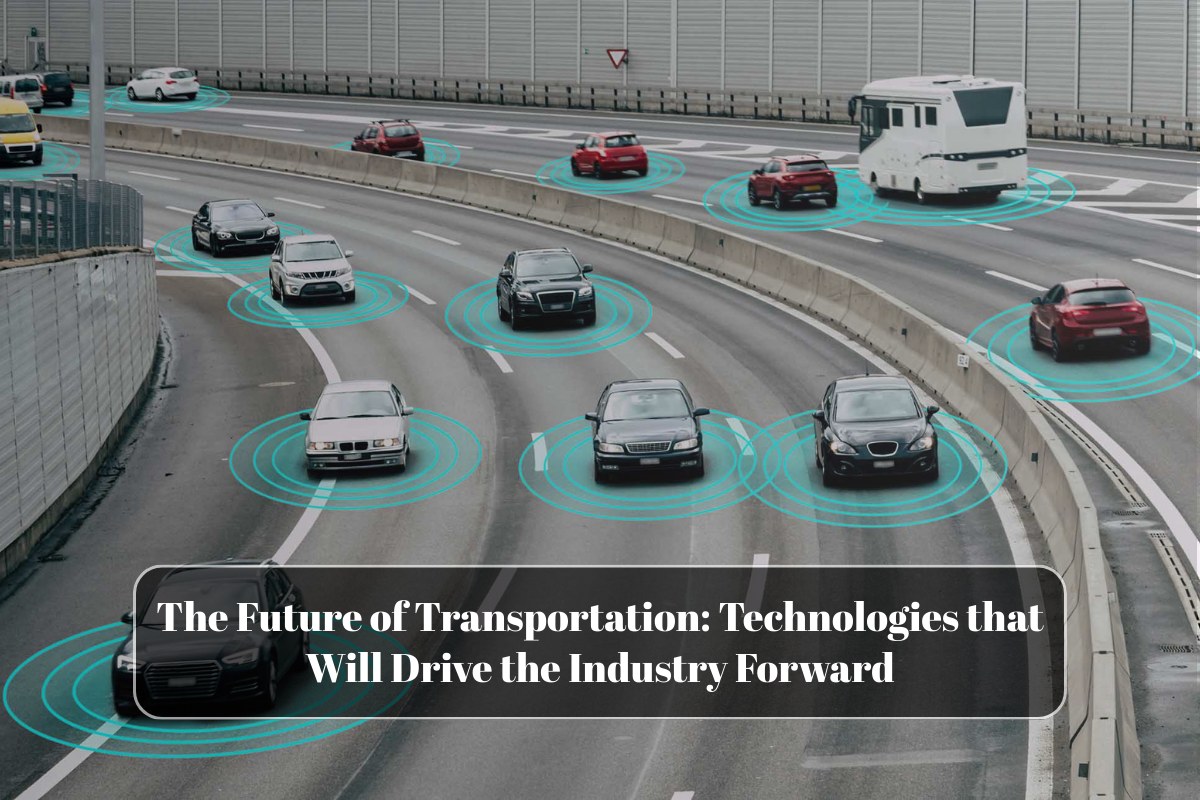
AI optimizes routing, forecasts demand, and automates warehousing, cutting delays by 30% for shippers using platforms like FourKites. Predictive tools reroute amid wildfires or strikes, vital as supplier times lengthen per ISM indices. By late 2025, 70% of fleets integrate AI for dynamic pricing and inventory sync.
Autonomous Vehicles and Drones Expand
Autonomous trucks pilot hub-to-hub runs, platooning for 10% fuel savings under NHTSA oversight, while Amazon/UPS drones handle urban last-mile. Shippers gain 24/7 operations, reducing labor costs amid 80k driver gaps, though FMCSA mandates human backups. Expect 15% market penetration by 2027.
Sustainability and Electric Fleet Push
EPA Phase 3 GHG rules drive EV adoption, with SmartWay fleets slashing emissions 40% via optimized loads. Shippers prioritizing rail-intermodal cut Scope 3 footprints, meeting consumer eco-demands and tariff exemptions. Tesla Semi deployments hit 1,000 units, lowering long-haul diesel reliance.
Nearshoring and Supply Chain Resilience
Tariffs spur Mexico/Canada shifts, boosting cross-border trucking 25% per BTS data, with nearshoring buffering China risks. Multimodal TMS enables flexible routing around port chokepoints like LA/Long Beach. Shippers diversify for 95% OTIF amid geopolitical volatility.
Digital Twins and IoT Visibility
Digital twins simulate routes/warehouses for maintenance forecasts, integrating IoT for real-time cargo conditions in reefers/hazmat. Blockchain secures BOLs, slashing paperwork errors 50% under PHMSA. 60% of large shippers deploy by year-end for disruption-proof chains.
Labor Automation and Workforce Shifts
Cobots fill warehouse gaps, AI handles 90% managerial tasks, reskilling drivers for oversight roles. Shippers invest in ELDT-upskilled fleets to combat 30% turnover, blending human-AI for resilient ops.
Key Trends Impact Table
Trends favor agile adopters.
Cybersecurity and Regulatory Evolution
Rising hacks target ELDs/TMS, prompting FMCSA cybersecurity mandates; shippers encrypt IoT data. HOS flexibilities aid peaks, but audits intensify for SMS compliance.
Strategic Actions for Shippers
Pilot AI-TMS quarterly, diversify modes/carriers, audit green metrics, and train for autonomy. Monitor BTS TSI for capacity signals amid economic slowdowns.
FAQs
Q1. How does AI transform shipping decisions?
Predicts disruptions, optimizes routes for 30% efficiency.
Q2. What autonomous tech should shippers watch?
Trucks/drones for last-mile, cutting labor 24/7.
Q3. Why prioritize electric and sustainable fleets?
EPA rules demand cuts, boosting bids 20-40%.
Q4. How does nearshoring counter tariffs?
Shifts to Mexico raise cross-border volumes 25%.
Q5. What role do digital twins play?
Simulate ops for zero-downtime forecasting.