The transportation and freight industry is undergoing rapid transformation. Global trade shifts, evolving customer expectations, technological advancement, and environmental pressures are all reshaping how goods move from origin to destination.
What once relied heavily on manual coordination and fixed routes is becoming increasingly data-driven, automated, and customer-centric. Understanding the key transportation industry trends shaping the future of freight services is essential for shippers, carriers, and logistics professionals who want to remain competitive in a changing landscape.
The Rise of Digital Freight Platforms
One of the most significant changes in freight services is the growth of digital freight marketplaces and platforms. These technologies connect shippers and carriers in real time, simplifying booking, pricing, and communication.
Digital platforms improve transparency around rates, capacity, and availability. They also reduce administrative workload by automating documentation and scheduling. As adoption increases, these tools are reshaping how freight is bought and sold, making the process faster and more efficient for all parties involved.
Greater Emphasis on Real-Time Visibility
Customers increasingly expect to know where their shipments are at all times. Real-time tracking and visibility have become standard expectations rather than optional features.
Advanced GPS tracking, Internet of Things (IoT) sensors, and integrated transportation management systems now provide continuous updates on shipment status, location, and condition. This visibility supports better planning, faster issue resolution, and stronger trust between service providers and customers.
Data-Driven Decision Making in Logistics Operations
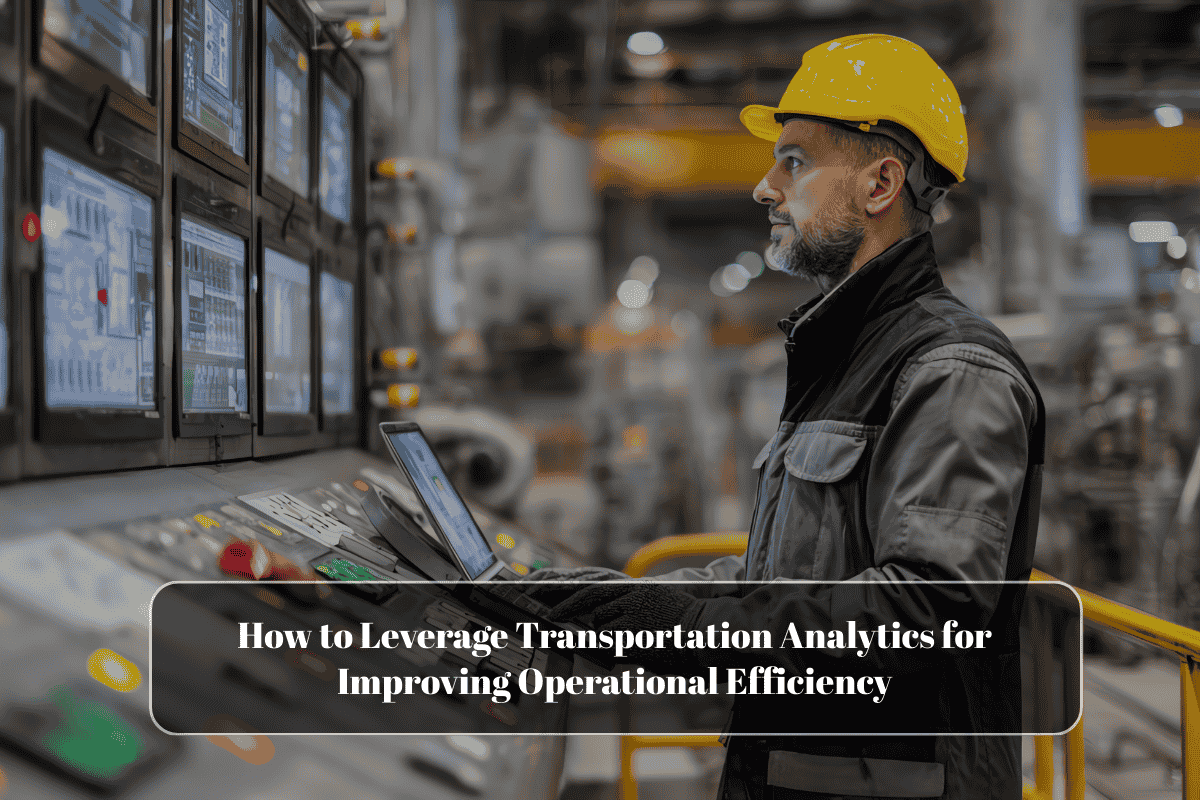
Data is becoming one of the most valuable assets in freight transportation. Companies are using analytics to improve route optimization, predict demand, manage risk, and enhance overall efficiency.
By analyzing historical and real-time data, carriers can reduce empty miles, improve asset utilization, and anticipate disruptions. Shippers can use data insights to select better partners, forecast costs, and align logistics strategies with broader business goals.
Increased Focus on Sustainability and Emissions Reduction
Environmental responsibility is no longer just a public relations issue; it is shaping how freight services operate. Governments, customers, and investors are placing greater pressure on transportation companies to reduce carbon emissions.
This trend is driving investment in alternative fuels, electric and hybrid vehicles, fuel-efficient routing, and intermodal transportation. Sustainability is becoming a competitive differentiator, with many shippers prioritizing partners who demonstrate measurable environmental commitment.
Growth of Automation in Warehousing and Transportation
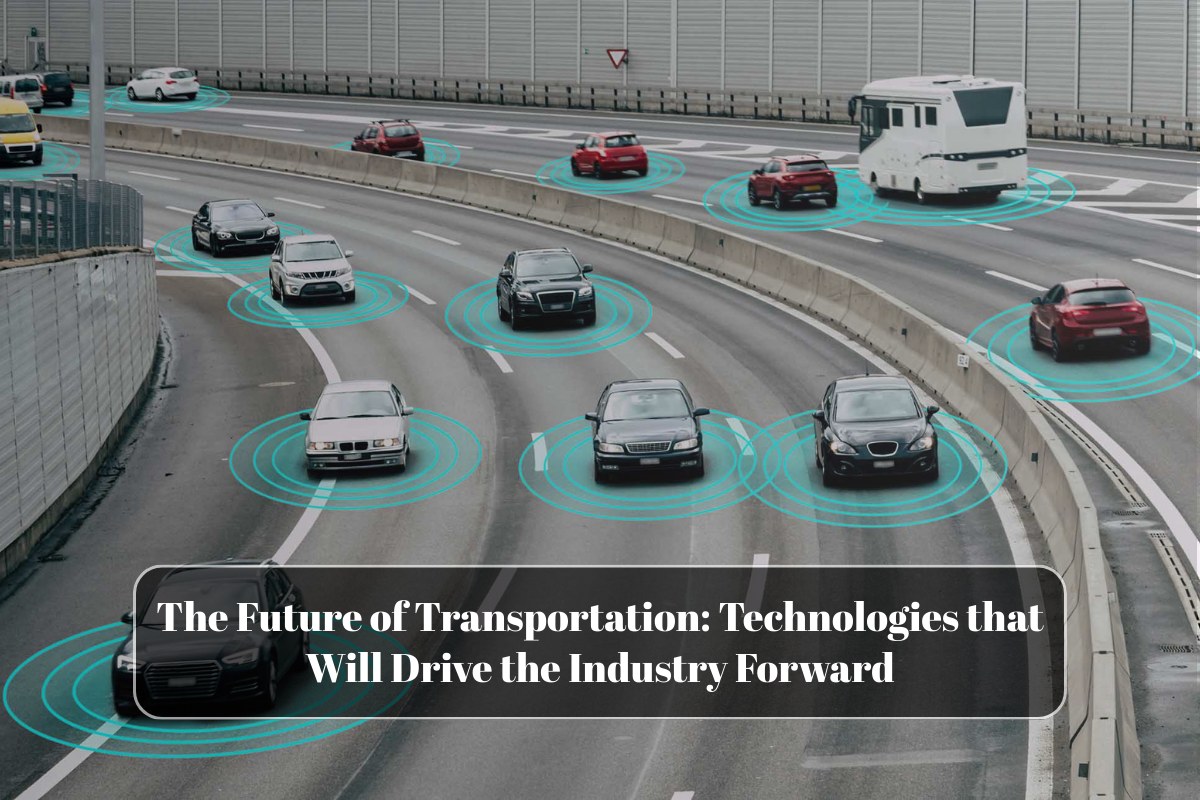
Automation is expanding across the freight ecosystem. In warehouses, robotics and automated systems are improving picking, packing, and sorting efficiency. In transportation, advanced driver-assistance systems, autonomous vehicle testing, and automated scheduling are gaining momentum.
While full autonomy is still developing, partial automation is already enhancing safety, reducing human error, and improving consistency. Over time, automation will continue to reshape workforce roles and operational models within the industry.
Evolving Customer Expectations Around Speed and Flexibility
E-commerce growth has fundamentally changed expectations for delivery speed and flexibility. Customers increasingly demand faster delivery windows, flexible options, and responsive service.
This pressure is influencing freight services to become more agile. Companies are investing in more responsive routing, regional distribution strategies, and adaptive capacity management. Flexibility is becoming just as important as cost efficiency in freight service design.
Expansion of Intermodal Transportation Solutions
Intermodal transportation, which combines multiple modes such as truck, rail, ocean, and air, is gaining traction as a strategic approach to efficiency and sustainability.
By leveraging the strengths of different modes, intermodal solutions can reduce costs, improve reliability, and lower emissions. As infrastructure improves and technology better integrates these systems, intermodal strategies are likely to become more central to long-term freight planning.
Workforce Transformation and Skill Development
As technology reshapes freight services, workforce needs are evolving. There is growing demand for skills in data analysis, systems management, digital platforms, and advanced logistics planning.
At the same time, the industry continues to face challenges related to driver shortages and workforce aging. Companies that invest in training, development, and attractive work environments are more likely to build resilient teams capable of navigating future changes.
Greater Integration Across Supply Chain Partners
Freight services are increasingly interconnected with broader supply chain operations. Shippers, carriers, warehouses, and technology providers are moving toward more collaborative and integrated models.
Shared platforms, data integration, and strategic partnerships allow for better coordination and fewer disruptions. This integration supports more efficient planning and helps organizations respond more effectively to volatility in demand and capacity.
Resilience Planning in Response to Global Disruptions
Recent global events have highlighted the vulnerability of transportation networks to disruptions such as pandemics, geopolitical tensions, natural disasters, and infrastructure constraints.
As a result, resilience has become a key trend in freight strategy. Companies are diversifying routes, strengthening contingency planning, and investing in flexible capacity models. The future of freight services will place greater emphasis on adaptability rather than pure efficiency alone.
Frequently Asked Questions
Why is technology so important to the future of freight services?
Technology improves visibility, efficiency, communication, and decision-making, making operations more reliable and scalable.
How is sustainability changing transportation practices?
It is driving investment in cleaner fuels, efficient routing, alternative transport modes, and emissions tracking as companies respond to regulatory and customer expectations.
What is real-time visibility in freight?
It refers to the ability to track shipments continuously, providing updates on location, status, and potential delays throughout the journey.
Will automation replace human roles in transportation?
Automation will change roles rather than eliminate them entirely. Human expertise will remain essential for oversight, problem-solving, and strategic decision-making.
Why is intermodal transportation becoming more popular?
It offers cost savings, improved environmental performance, and better use of different transportation modes for long-distance freight.
How can businesses prepare for these industry trends?
By investing in technology, prioritizing data-driven decision-making, strengthening partnerships, focusing on sustainability, and developing workforce capabilities.