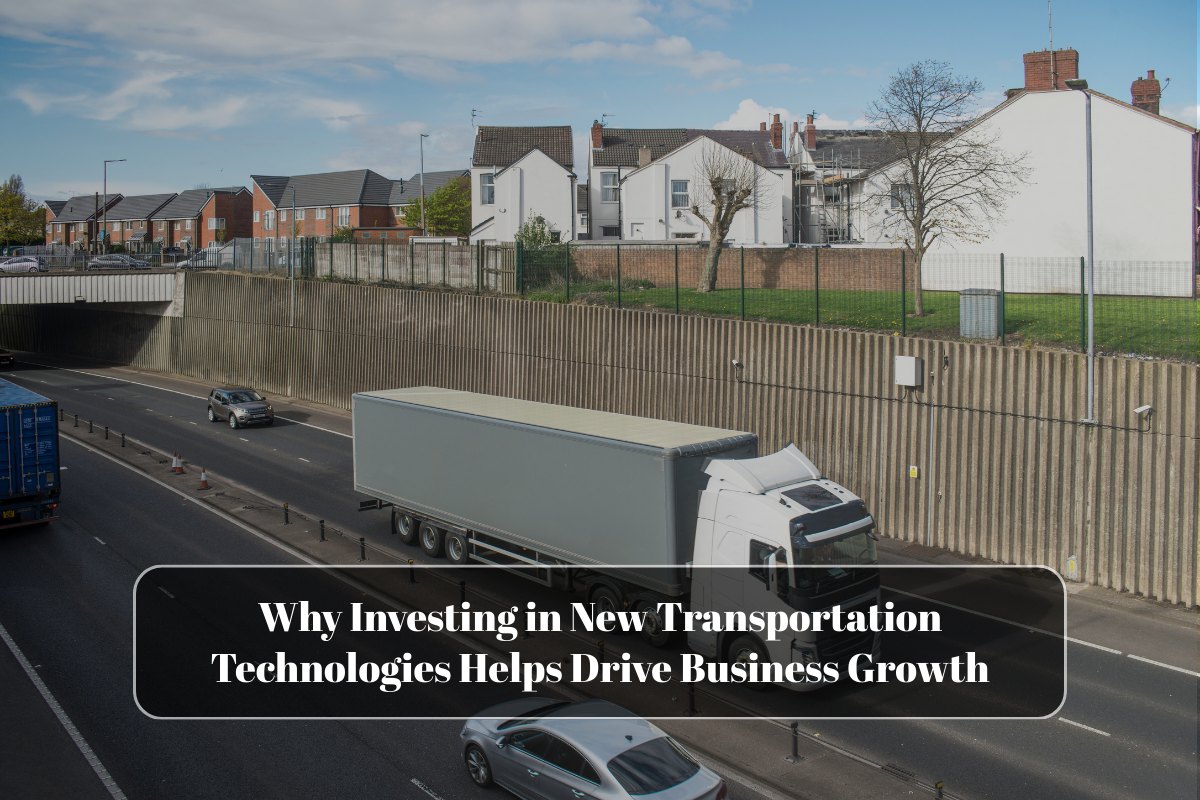
Transportation is no longer just a cost center—it is a strategic growth lever. As supply chains become faster, more complex, and more customer-driven, businesses that invest in new transportation technologies gain a measurable competitive advantage. These technologies improve efficiency, visibility, resilience, and scalability, all of which directly support sustainable business growth.
Improving Operational Efficiency and Cost Control
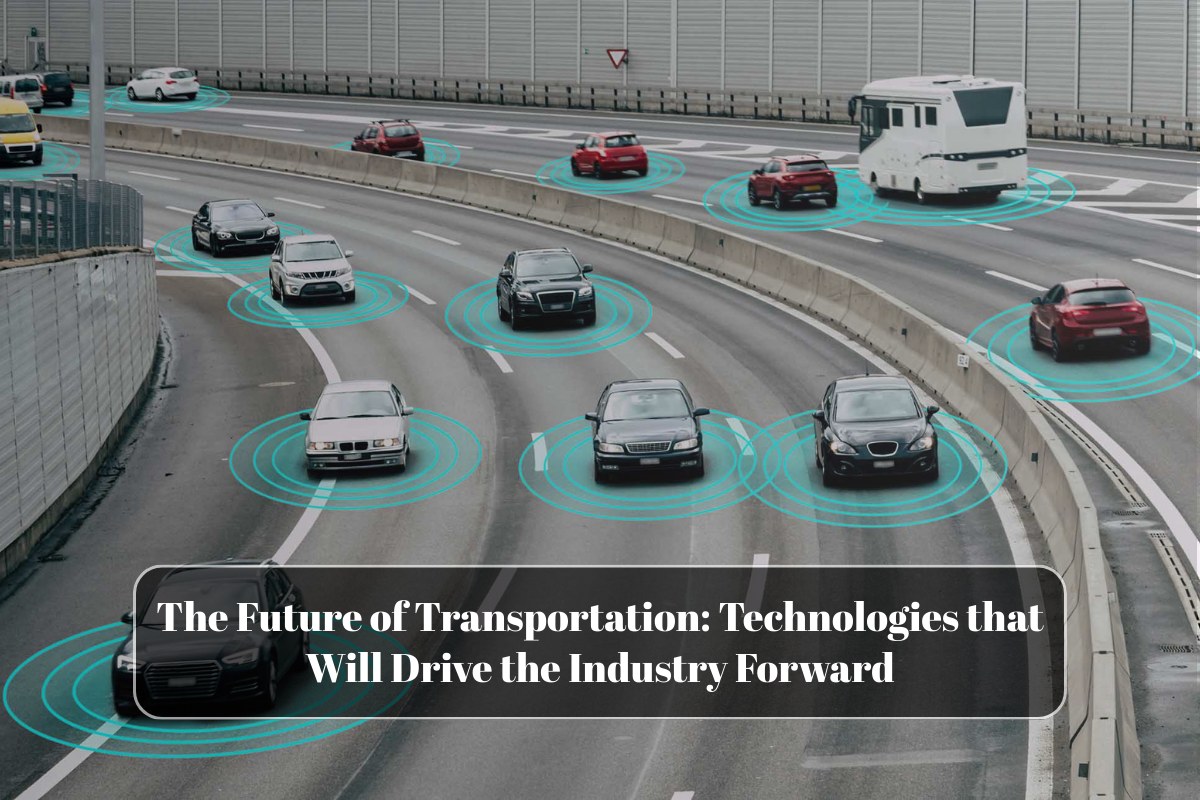
New transportation technologies streamline operations by automating manual processes and optimizing decision-making. Tools such as route optimization, real-time fleet tracking, and predictive maintenance reduce fuel consumption, idle time, and unnecessary labor costs.
When transportation systems operate more efficiently, businesses free up capital that can be reinvested into growth initiatives such as product development, market expansion, or customer experience improvements. Lower operating costs also improve margins, making growth more financially sustainable.
Enhancing Speed and Reliability
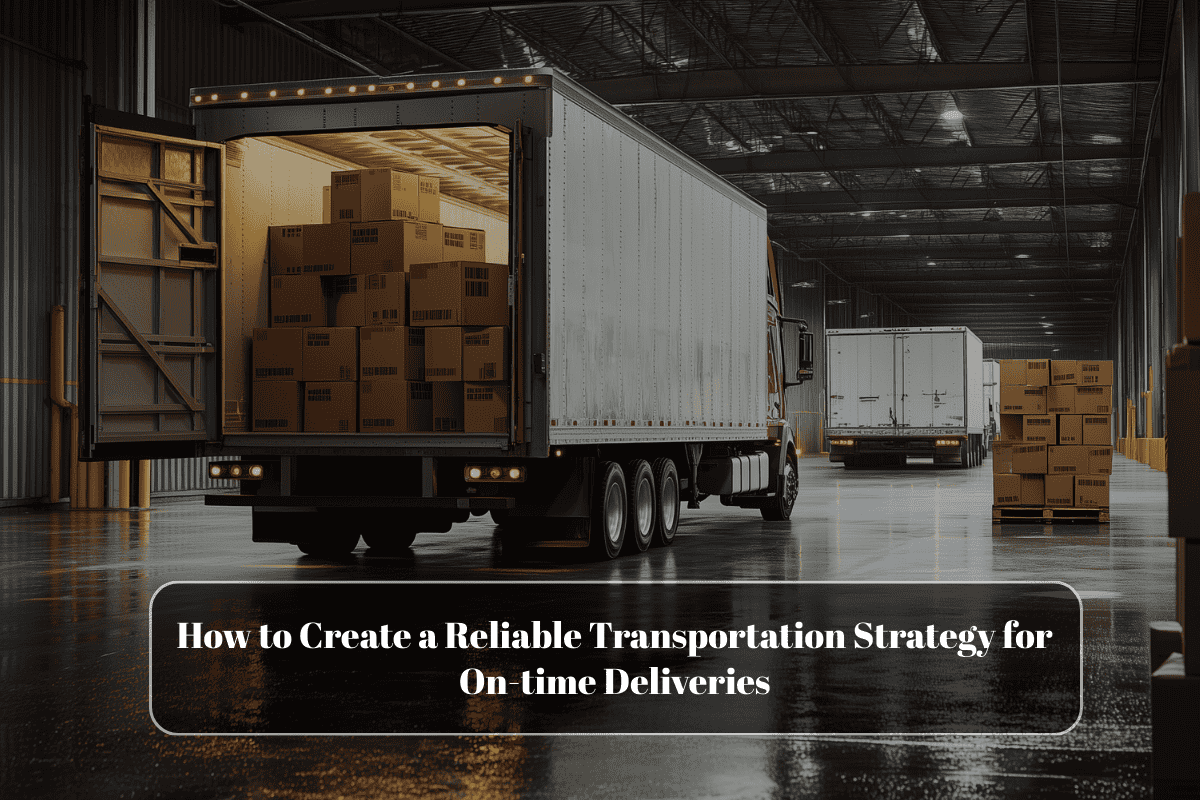
Customer expectations around delivery speed and consistency continue to rise. Transportation technologies enable faster and more reliable movement of goods through real-time data, automated scheduling, and dynamic routing.
Improved reliability reduces delays, missed deliveries, and service disruptions. For businesses, this translates into stronger customer trust, fewer penalties or chargebacks, and a reputation for dependable service—key drivers of repeat business and long-term growth.
Increasing Visibility and Data-Driven Decision-Making
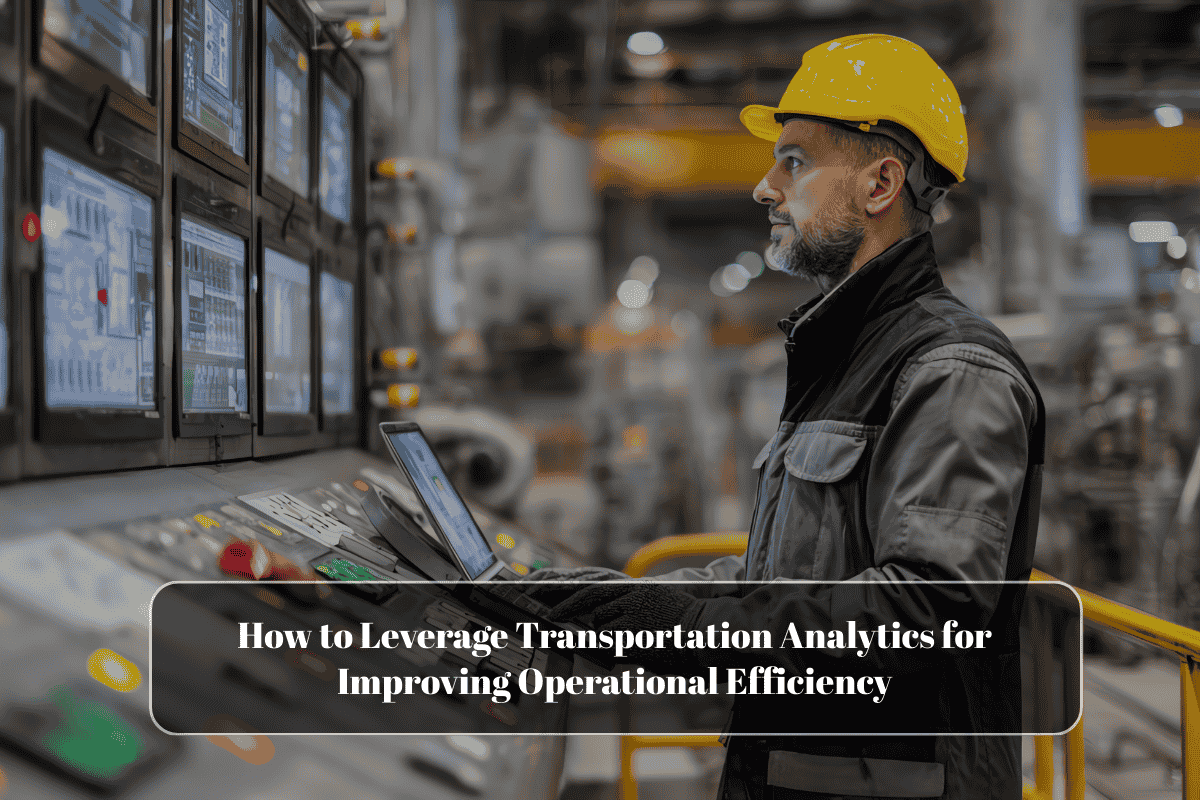
Modern transportation technologies provide end-to-end visibility across shipments, fleets, and routes. Real-time tracking, analytics dashboards, and performance metrics allow businesses to monitor operations continuously and identify issues before they escalate.
This visibility supports smarter decisions. Leaders can analyze trends, forecast demand, and adjust strategies proactively rather than reacting to problems after they occur. Data-driven transportation management strengthens planning accuracy and supports scalable growth.
Supporting Scalability and Market Expansion
As businesses grow, transportation complexity increases. New markets, higher volumes, and broader distribution networks place strain on legacy systems. Transportation technologies are designed to scale, allowing businesses to manage growth without proportional increases in cost or complexity.
Cloud-based platforms, integrated systems, and automation enable rapid onboarding of new routes, partners, or regions. This scalability allows businesses to pursue expansion opportunities with confidence and control.
Strengthening Supply Chain Resilience
Disruptions—from weather events to labor shortages—are increasingly common. Transportation technologies enhance resilience by providing alternative routing options, real-time alerts, and scenario modeling.
When disruptions occur, businesses equipped with modern systems can adapt quickly, minimizing downtime and customer impact. Resilient transportation networks protect revenue and maintain momentum during uncertainty, supporting long-term growth stability.
Advancing Sustainability and Compliance Goals
Sustainability is becoming a growth driver, not just a responsibility. Transportation technologies support emissions reduction through fuel optimization, electrification, and performance monitoring.
Meeting sustainability goals improves brand reputation, supports regulatory compliance, and aligns with customer and investor expectations. Businesses that integrate sustainable transportation solutions position themselves for growth in markets where environmental performance matters.
Enabling Innovation and Competitive Differentiation
Investing in new transportation technologies opens the door to innovative business models. Same-day delivery, flexible fulfillment options, and transparent tracking experiences differentiate businesses in crowded markets.
Innovation in transportation enhances overall value propositions, helping businesses stand out and attract new customers. Differentiation built on reliable, technology-enabled logistics is difficult for competitors to replicate quickly.
Aligning Transportation With Strategic Growth Objectives
Growth strategies depend on execution. Transportation technologies ensure that logistics capabilities align with broader business goals—whether that means faster time-to-market, superior customer service, or global reach.
When transportation is treated as a strategic function rather than a supporting one, it becomes a catalyst for growth rather than a constraint.
FAQs
How do transportation technologies reduce costs?
By optimizing routes, reducing fuel use, automating processes, and minimizing delays and manual errors.
Do small businesses benefit from transportation technology?
Yes. Scalable, cloud-based solutions allow smaller businesses to improve efficiency and compete with larger players.
Is transportation technology only about speed?
No. It also improves reliability, visibility, sustainability, and strategic decision-making.
How does transportation technology support expansion?
It enables scalable operations, better planning, and efficient management of increased volume and geographic reach.
Are these investments future-proof?
When chosen strategically, modern transportation technologies adapt to growth, regulatory changes, and evolving customer expectations.