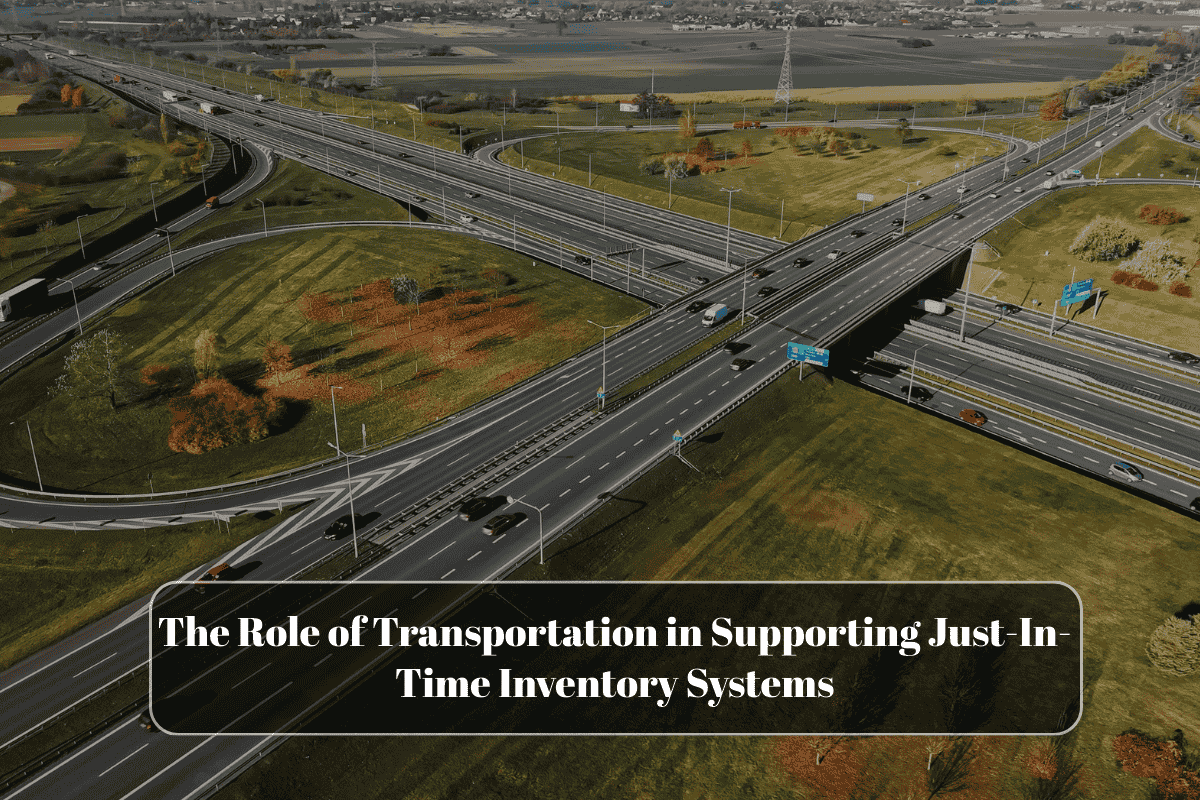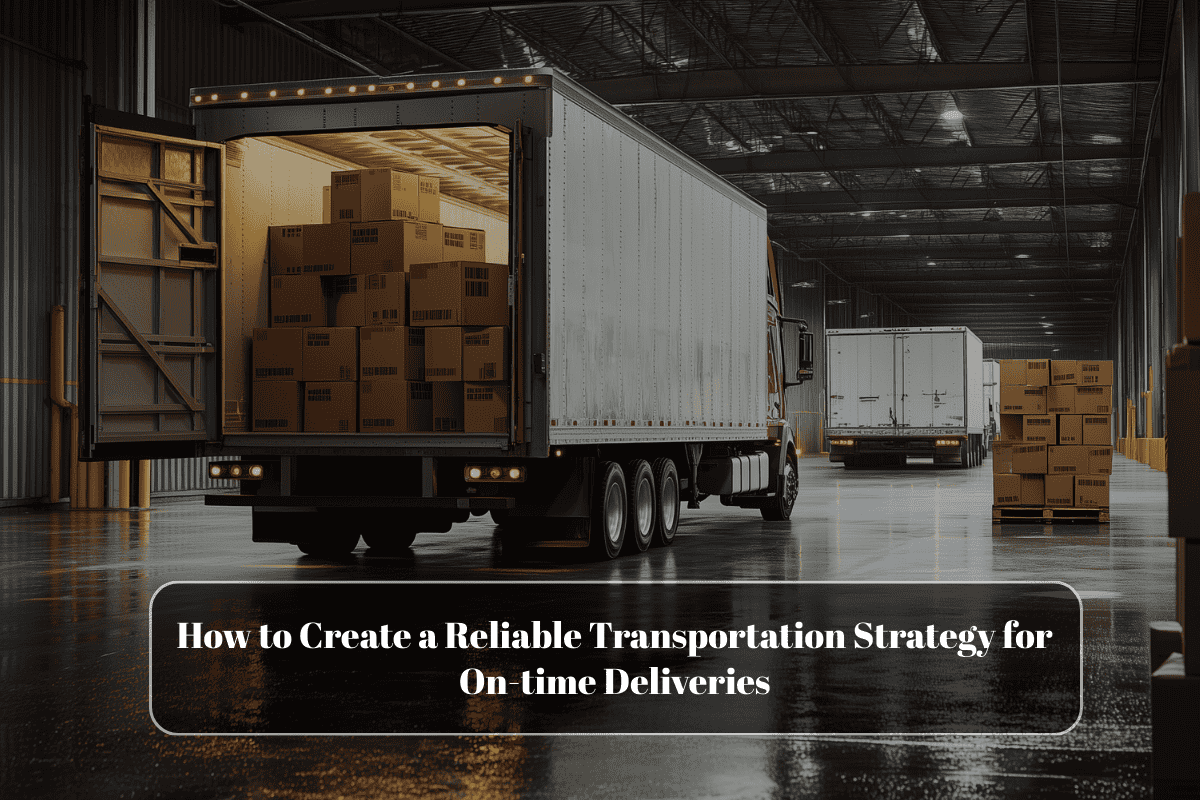
Reliable transportation services form the backbone of US business operations, ensuring timely deliveries, cost control, and customer satisfaction amid 2025’s volatile freight market marked by labor shortages and supply chain disruptions. In a nation where trucking moves over 70% of domestic freight, breakdowns in reliability cascade into lost revenue, inventory issues, and eroded trust, making vetted partners essential for competitiveness.
Timely Deliveries Drive Revenue
On-time delivery directly correlates with sales retention, as delays lead to stockouts and canceled orders in e-commerce-dominated sectors. US firms relying on just-in-time inventory suffer most, with even one-day lags costing millions annually across retail and manufacturing. Reliable carriers use ELD-mandated tracking to hit 95%+ on-time rates, stabilizing cash flow and enabling predictable scaling.
Cost Savings and Efficiency Gains
Unreliable services inflate expenses through detention fees, rerouting, and expedited air freight backups, often adding 20-30% to logistics budgets. Consistent trucking or intermodal options optimize loads, reducing deadhead miles and fuel surcharges under fluctuating diesel prices. Businesses partnering with high-reliability 3PLs cut total landed costs by 10-15%, freeing capital for innovation amid FMCSA safety regs.
Supply Chain Resilience Against Disruptions
Geopolitical tensions, port strikes, and weather events like hurricanes demand resilient transport to avoid bottlenecks at key gateways such as LA/Long Beach. Reliable providers offer multimodal backups and real-time visibility via platforms like FourKites, mitigating 2025 TSI dips from capacity gluts. This agility prevents production halts, especially for Midwest manufacturers dependent on rail-truck handoffs.
Customer Satisfaction and Brand Loyalty
Consumers expect Amazon-level speed, with 48% prioritizing faster delivery per industry surveys, tying reliability to Net Promoter Scores. Consistent ETAs build loyalty, reducing returns from damaged late goods and enhancing reviews. In B2B, dependable service secures contracts, as buyers favor vendors minimizing their own risks under tight SLAs.
Risk Mitigation and Compliance
Reliable carriers minimize damage claims, theft, and hazmat incidents through insured, compliant fleets adhering to PHMSA and DOT standards. Real-time IoT tracking prevents spoilage in reefers, vital for food/pharma amid FSMA rules. This shields against lawsuits and recalls, protecting reputations in a litigious market.
Workforce and Operational Stability
Driver shortages exacerbate unreliability, but top-tier services deploy vetted networks with low turnover, ensuring schedule adherence. They integrate AI for predictive routing, easing operational strain and supporting hybrid work models. Firms gain peace of mind, focusing on core competencies rather than logistics firefighting.
Strategic Advantages in Competitive Markets
Investing in reliability yields compounding returns, outpacing competitors in growth.
Future Imperatives for US Businesses
As autonomous trucks and drones emerge, prioritize partners with tech-forward fleets for sustained edge. Audit carriers quarterly on OTIF metrics, diversify routes, and leverage data analytics for proactive decisions. Reliable transport isn’t a cost—it’s a strategic asset powering expansion.
FAQs
Q1. How do delivery delays impact US business revenue?
They cause stockouts and lost sales, with cascading effects on just-in-time operations.
Q2. What cost savings come from reliable carriers?
10-15% reductions via efficient routing and fewer surcharges.
Q3. Why is visibility key to supply chain resilience?
Real-time tracking enables quick pivots against disruptions like strikes.
Q4. How does reliability boost customer loyalty?
Consistent ETAs meet expectations, driving repeat business and reviews.
Q5. What regulations demand reliable transport?
FMCSA ELDs, PHMSA hazmat rules ensure safety and compliance.