Freight logistics is the backbone of how growing businesses move goods reliably and cost‑effectively, from domestic truckloads to international ocean containers. In the USA, understanding modes, partners, and practical cost controls helps small and midsize businesses compete with much larger shippers while protecting margins and customer satisfaction.
What Freight Logistics Covers
Freight logistics includes planning, booking, and managing the transport of goods by road, ocean, air, or rail, plus related tasks like documentation, insurance, and customs. For smaller US businesses, this often means choosing between parcel, less‑than‑truckload (LTL), full truckload (FTL), and international freight options, and coordinating them through carriers or freight forwarders.
Good logistics reduces damage, delays, and surprise costs, turning shipping into a competitive advantage instead of a headache. Core elements include transportation management, inventory and warehousing, demand forecasting, and risk management, all increasingly supported by cloud systems and real‑time tracking tools.
Key Freight Modes for Growing Businesses
US businesses typically use a mix of road, ocean, air, and intermodal freight, depending on shipment size, urgency, and budget.
- LTL (Less‑Than‑Truckload) freight is ideal when you ship a few pallets that do not fill a truck, sharing trailer space and cost with other shippers. It is economical but often slower and involves more handling, so delivery times are less predictable.
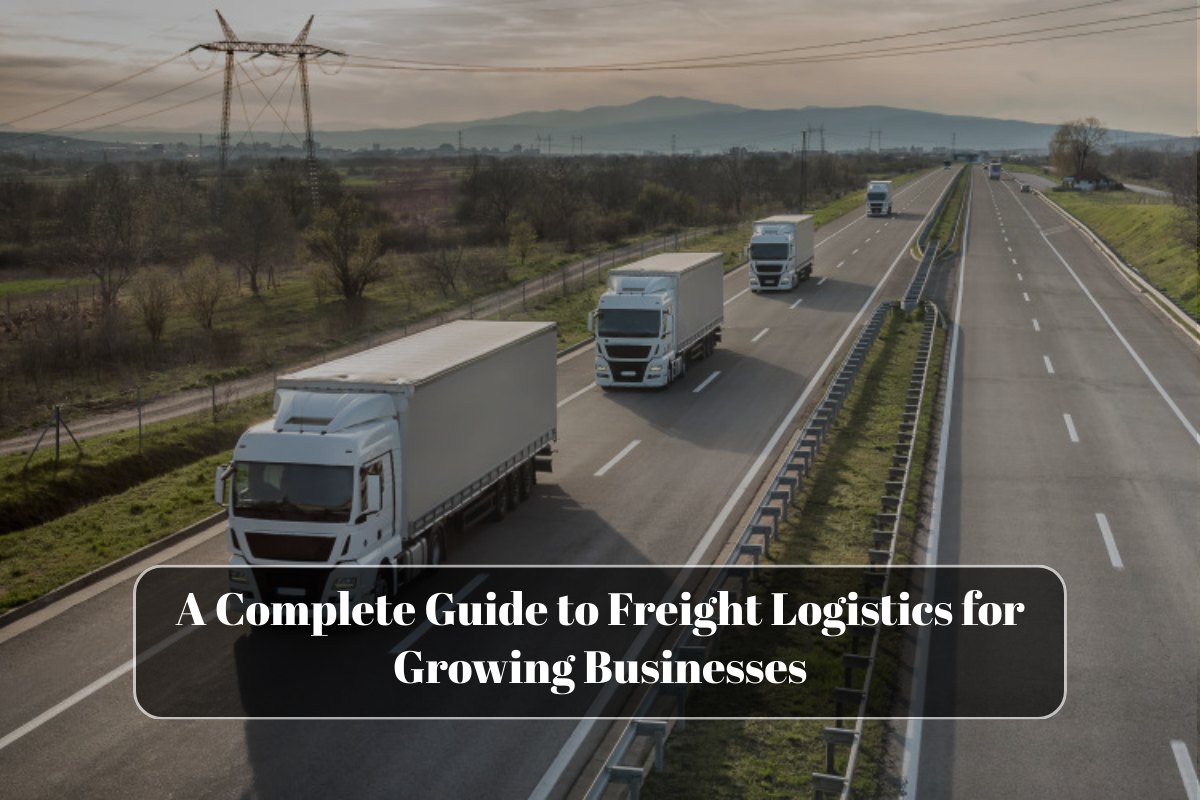
- FTL (Full Truckload) is best when you have 12+ pallets or time‑sensitive, fragile, or high‑value goods and want a dedicated truck going directly from origin to destination.
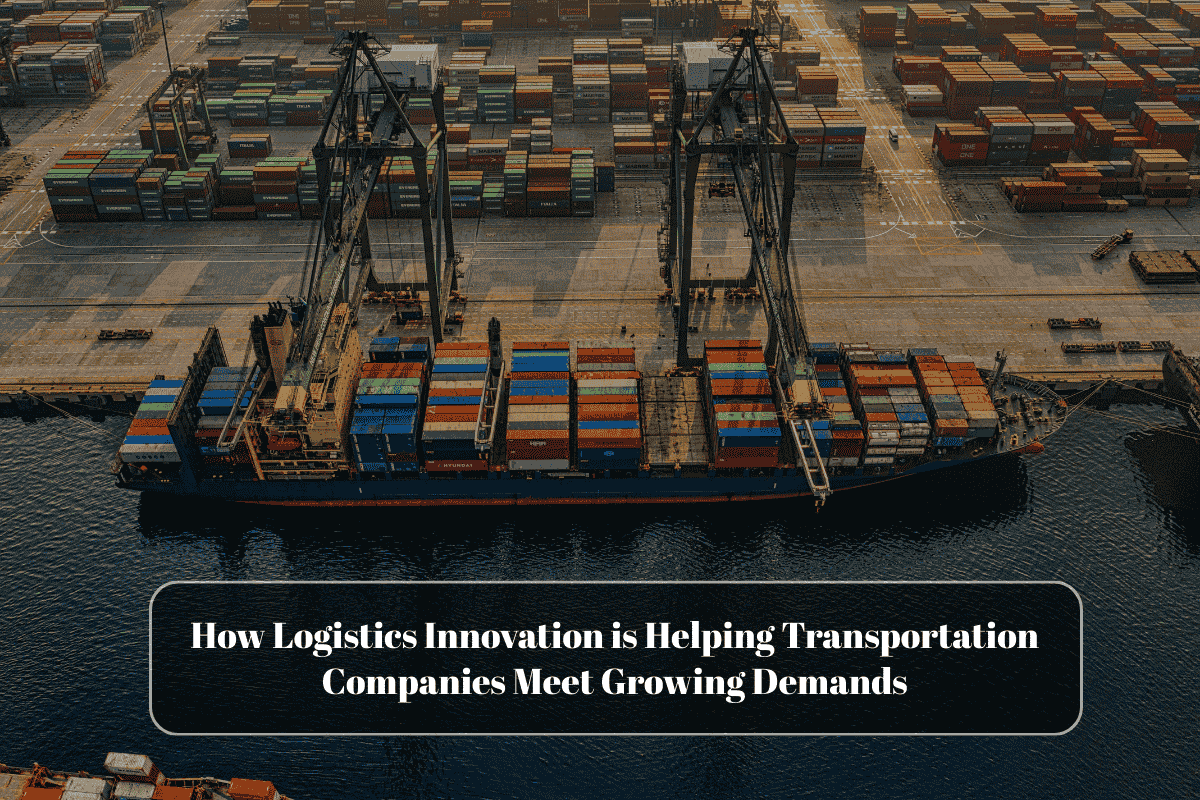
- Ocean freight (FCL/LCL) moves larger international loads; Full Container Load (FCL) suits high volumes, while Less‑than‑Container Load (LCL) consolidates smaller shipments into shared containers.
- Air freight offers the fastest transit for urgent or high‑value shipments but at a premium cost, often reserved for launches, samples, or critical spare parts.
Intermodal options combine truck, rail, and ocean to balance speed and cost, especially for long‑distance US or cross‑border moves.
Working With Carriers, Forwarders, and 3PLs
Growing companies rarely handle all freight logistics alone; instead, they partner with:
- Carriers (truckers, steamship lines, airlines) who physically move the freight.
- Freight forwarders and NVOCCs, who bundle space across carriers, manage routing, documentation, and customs, and often secure better rates than small shippers can get directly.
- 3PLs (third‑party logistics providers), who can add warehousing, fulfillment, and technology on top of transportation.
For small US shippers, forwarders and digital freight platforms simplify quoting, booking, and tracking, making freight more predictable and transparent. The right partner should offer clear pricing breakdowns, multiple mode options, and proactive communication when schedules or routes change.
Planning, Forecasting, and Cost Control
Freight costs are easiest to manage when shipping is planned instead of reactive. Growing businesses should:
- Forecast volumes by month or quarter and share projections with forwarders so they can reserve capacity and negotiate better rates, especially in peak seasons.
- Consolidate shipments where feasible, combining smaller orders into a single LTL, FTL, or LCL move to reduce per‑unit freight cost.
- Optimize packaging and loading to use pallet and container space efficiently, cutting the number of shipments needed.
- Compare modes (LTL vs FTL, air vs ocean) based on total landed cost and customer lead‑time expectations.
Regular freight audits and data analytics—tracking delivery times, damage rates, and cost per shipment—help spot savings opportunities and service issues early.
Technology and Risk Management
Cloud‑based transportation and inventory systems give growing businesses real‑time visibility into where shipments are and what stock is available, reducing stockouts and rush fees. Many platforms now offer instant rate comparison, digital documents, automated notifications, and performance dashboards tailored to SMEs.
Risk management is equally important: diversifying carriers, building contingency routes, insuring high‑value shipments, and preparing for disruptions like port congestion or weather events. Clear quality and packing standards, plus reliable partners, reduce claims and protect customer experience.
By understanding modes, choosing strong partners, planning proactively, and using modern tools, growing businesses in the USA can turn freight logistics into a scalable, efficient engine for expansion.
FAQs
Q1. What is the difference between LTL and FTL shipping?
LTL shares a truck with other shippers for smaller palletized loads at lower cost but with more handling and less precise delivery windows, while FTL uses a dedicated truck for large or sensitive loads with faster, more predictable transit.
Q2. When should a small business use a freight forwarder?
Use a forwarder for international or complex multi‑leg moves; they secure space, manage routing, handle customs and documents, and often get better rates for small shippers than booking carriers directly.
Q3. How can growing businesses lower freight costs?
They can forecast demand, consolidate shipments, optimize packaging, compare modes, and negotiate with help from forwarders or 3PLs, supported by regular freight cost and performance reviews.
Q4. What technology tools are most useful for freight logistics?
Cloud‑based TMS and inventory systems, online freight marketplaces, and tracking platforms that provide real‑time status, automated documentation, and analytics are especially valuable for SMEs.
Q5. How do I choose the right logistics partner in the USA?
Evaluate partners on reliability, mode coverage, transparency of pricing, technology capabilities, customer service responsiveness, and their experience with your lanes and shipment profile.