In today’s fast-paced, globalized economy, the demands on freight delivery systems have never been greater. From e-commerce giants to small businesses, companies are expected ...
Modern transportation networks are under unprecedented pressure. Global trade growth, e-commerce expectations, urban congestion, climate disruptions, and geopolitical uncertainty have made delays more frequent ...
Istics technology enhances decision-making in U.S. supply chains by delivering real-time data, predictive insights, and automation across complex networks. Tools like AI, IoT, and ...
Logistics scalability enables U.S. businesses undergoing rapid growth to handle surging demand without disruptions, as the 3PL market expands $132 billion from 2025-2029 amid ...
In today’s interconnected supply chains, logistics performance is no longer driven by individual companies operating in isolation. Instead, it depends on how well businesses ...
Logistics forecasting equips U.S. businesses to predict demand, optimize inventory, and mitigate disruptions in a supply chain handling $15 trillion annually, where delays cost ...
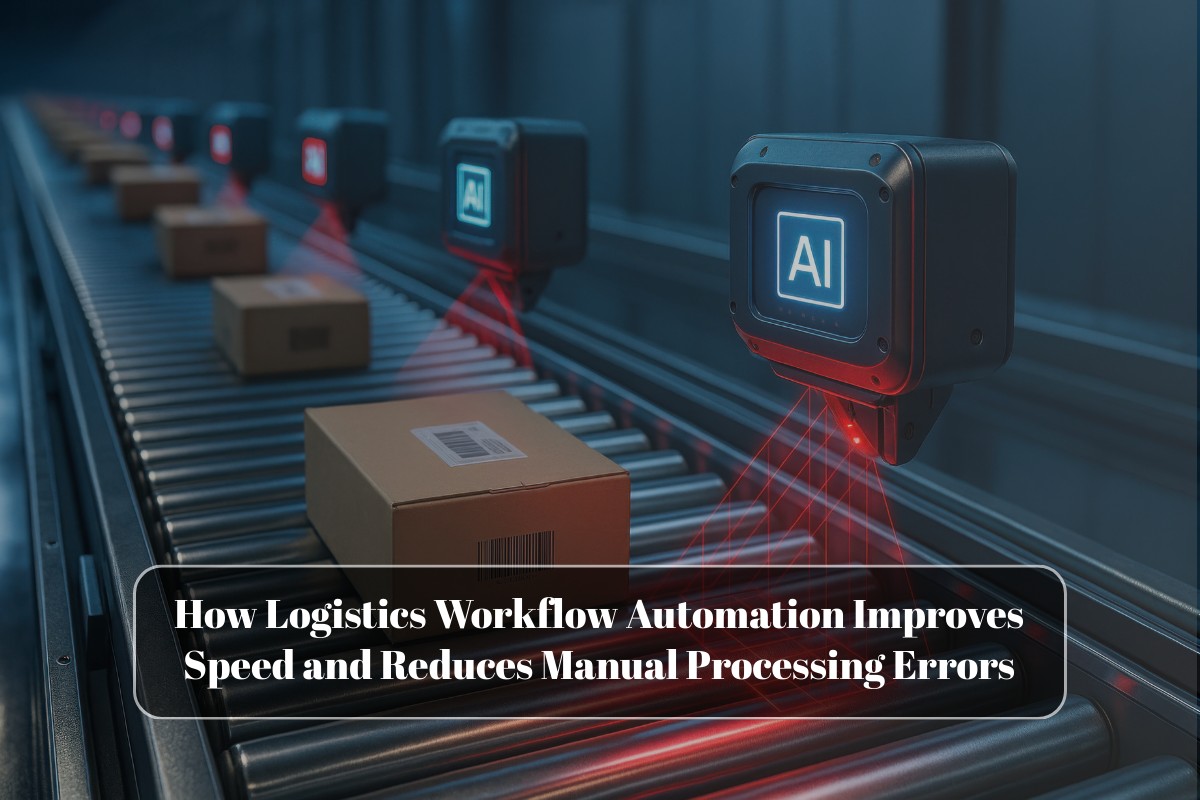
Logistics workflow automation streamlines operations by replacing manual tasks with digital systems, enabling faster processing and minimizing human errors in high-volume environments. For businesses ...
Accurate logistics documentation forms the backbone of seamless supply chain operations, ensuring goods move without hitches across borders and modes. Errors in paperwork like ...
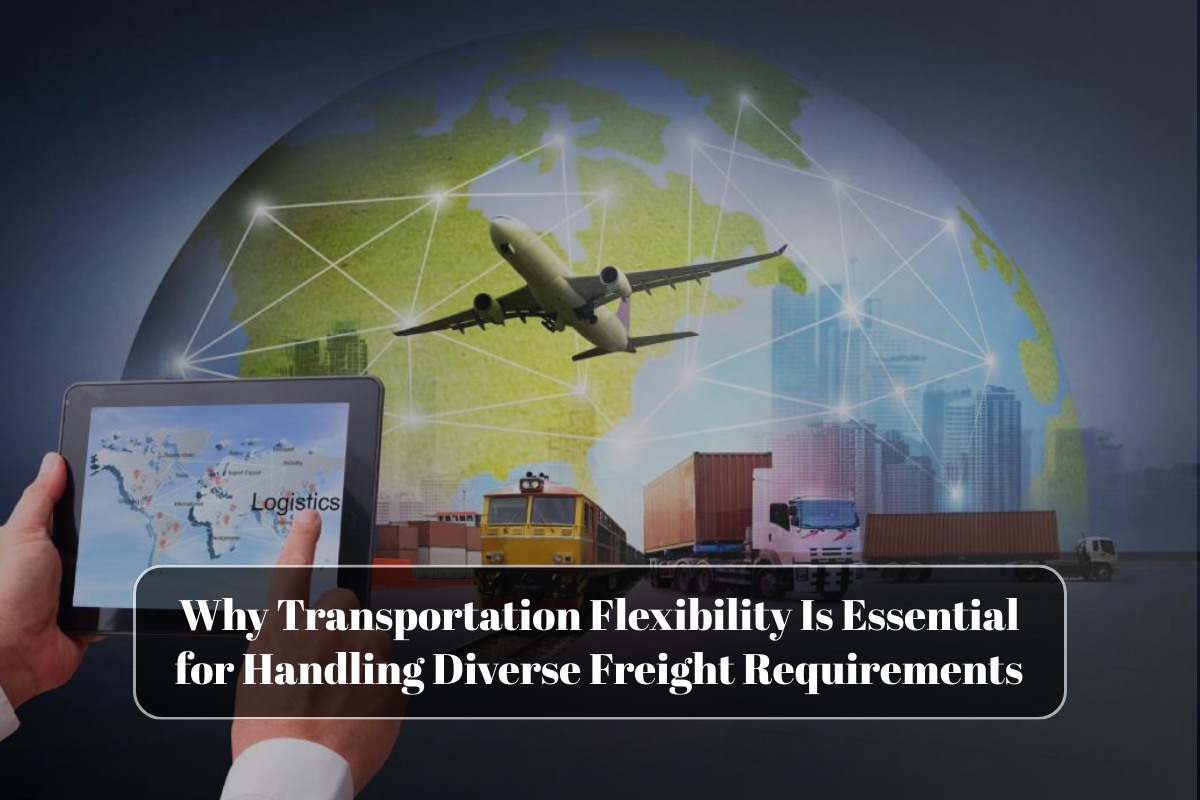
Transportation flexibility enables logistics providers to adapt swiftly to varying freight needs, from perishables to oversized cargo. This adaptability minimizes disruptions, optimizes costs, and ...
Logistics bottlenecks occur when any link in the supply chain—such as inventory shortages, transportation delays, or warehouse inefficiencies—slows or halts the flow of goods, ...