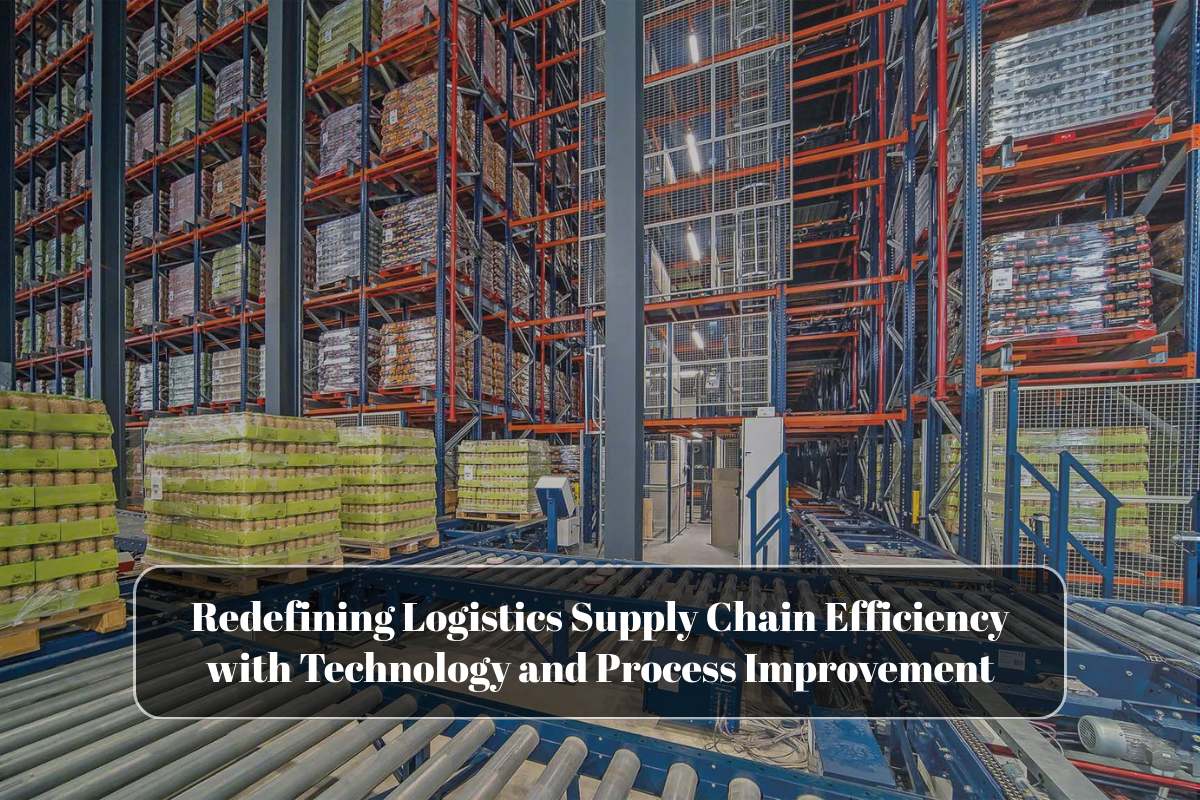
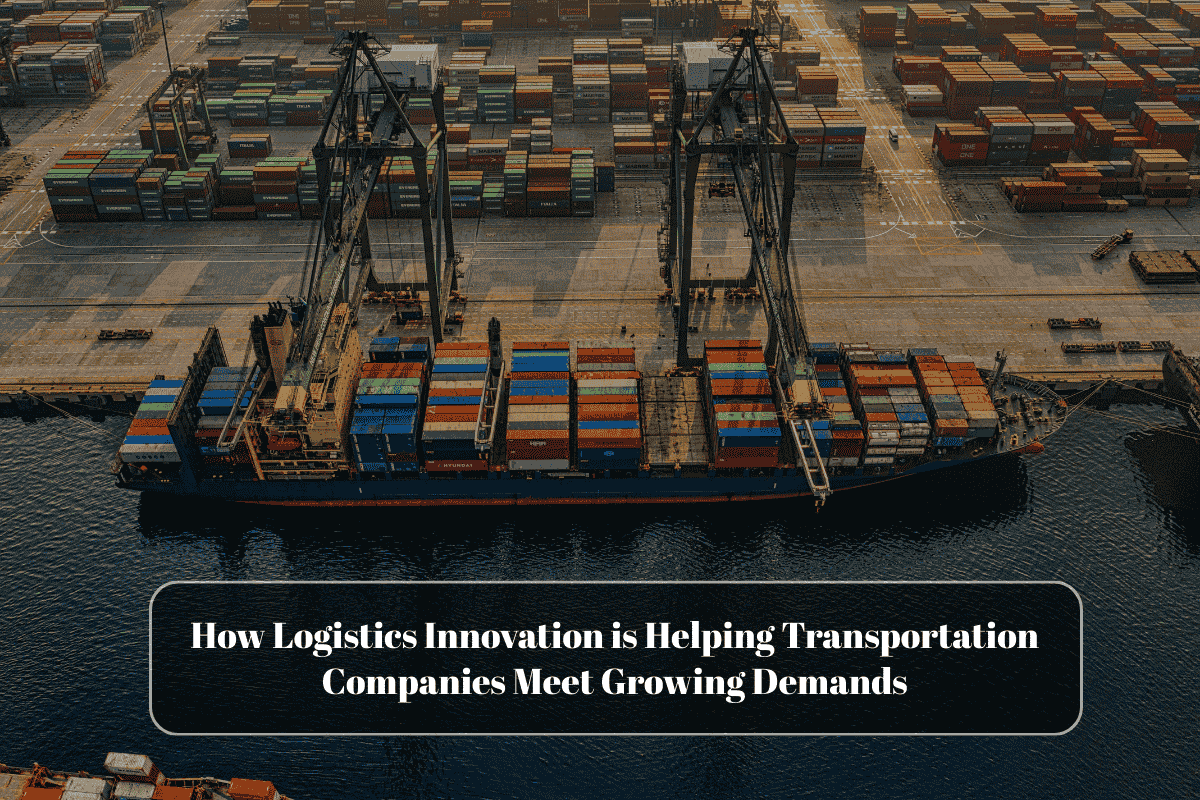
Logistics scalability enables U.S. businesses undergoing rapid growth to handle surging demand without disruptions, as the 3PL market expands $132 billion from 2025-2029 amid e-commerce surges.
Firms scaling via 3PL cut costs 20-30% through economies of scale, AI forecasting, and flexible capacity, avoiding stockouts costing $1.14 trillion yearly. In a market projected to $2.18 trillion globally by 2030, non-scalable ops risk 10-20% revenue loss from delays.
Cost efficiency and resource optimization
Scalable logistics leverages shared networks, reducing per-unit costs via bulk carrier rates and optimized routes. 3PLs like Amazon’s hubs enable same-day delivery without $millions in warehouses. Cloud platforms scale storage instantly for seasonal peaks, pay-as-you-go saving 30-50% CapEx.
E-commerce growth demands this; non-scalable firms face overstock/understock, eroding margins 15%.
Flexibility for demand fluctuations
Rapid growth brings volatility—e-commerce sales spike 30% holidays; scalable 3PLs adjust via micro-fulfillment centers cutting last-mile 50%. AI demand forecasting prevents shortages; platforms like Shipsy optimize U.S. last-mile amid $236B market.
Flexibility scales to new markets without infrastructure; startups like UniUni partner for affordable expansion.
Risk mitigation and reliability
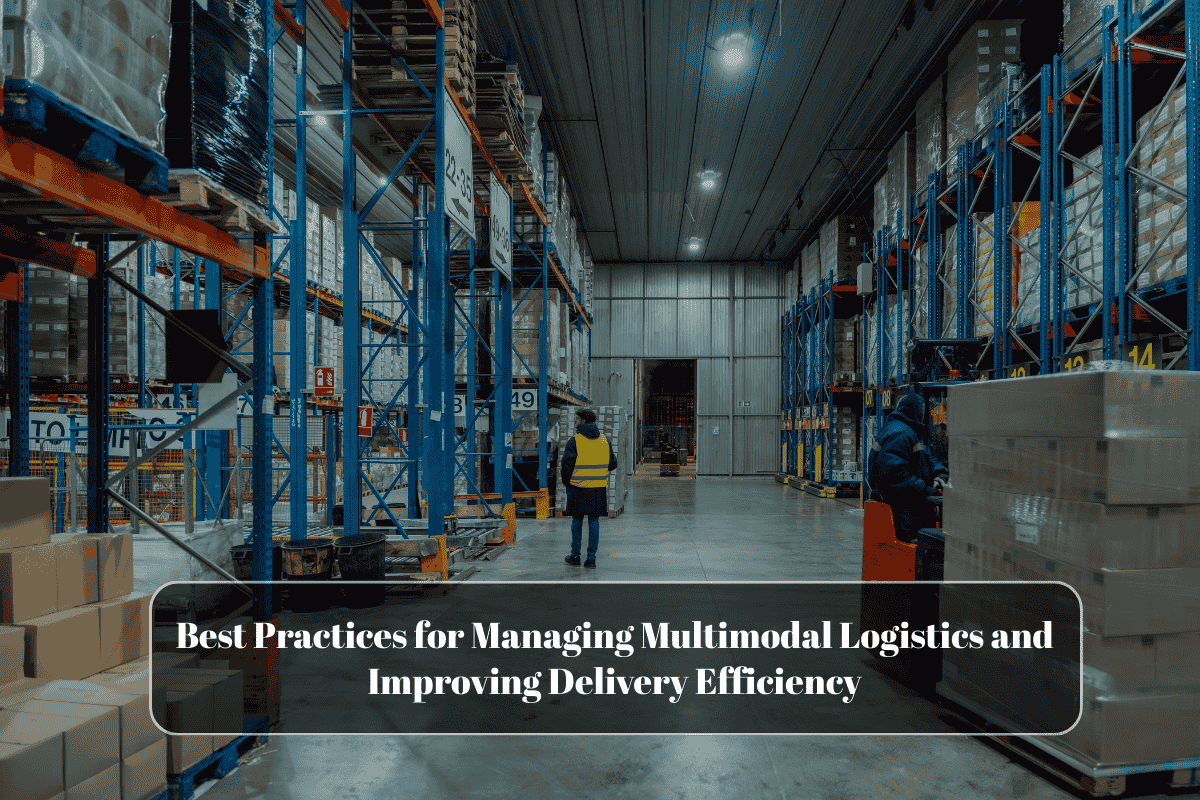
Diversified 3PL networks buffer disruptions—supply chain shocks cost $1.5T yearly; redundancy ensures continuity. Real-time tracking, compliance expertise avoid fines; scalable ops maintain 99% OTIF during growth.
Technology enablers
Cloud TMS, IoT, AI drive scalability: real-time fleets, predictive analytics. U.S. 3PLs invest heavily, offering startups access without dev costs.
Strategic growth advantages
Scalable logistics frees focus on core—innovation/marketing—boosting revenue 25%. Competitive pricing, geographic reach accelerate market share.
Implementation strategies
Assess needs, partner 3PLs like top 10 (UPS, FedEx), integrate APIs for seamless scaling.
FAQs
1. 3PL market growth?
$132B U.S. 2025-2029 via e-commerce/tech.
2. Scalability cost savings?
20-30% via shared networks/cloud.
3. Demand fluctuation fix?
Micro-fulfillment, AI forecasting for peaks.
4. Risk reduction?
Redundancy, tracking cut disruptions $1.5T cost.
5. Tech key?
Cloud TMS/IoT for real-time, predictive ops.