In today’s fast-paced, globalized economy, the demands on freight delivery systems have never been greater. From e-commerce giants to small businesses, companies are expected to deliver products quickly, efficiently, and at the lowest cost possible. With consumers expecting near-instant gratification and businesses pushing for global supply chains that span continents, the logistics strategy behind freight delivery plays a critical role in meeting these challenges.
A well-executed logistics strategy is essential for optimizing supply chain efficiency, reducing costs, and enhancing customer satisfaction. As businesses adapt to these rising demands, they must refine their logistics strategies to ensure timely deliveries, enhance visibility, and maintain competitive advantages. Here’s how logistics strategy is crucial in meeting today’s freight delivery demands.
1. Optimizing Speed and Delivery Times
One of the most pressing expectations today is the speed at which products can be delivered. Consumers expect quick deliveries, especially in industries like e-commerce, where next-day or even same-day delivery is often the norm. Speed is a direct result of how well logistics networks are planned and managed.
How Logistics Strategy Helps:
- Route Optimization: Advanced logistics strategies use technology to optimize delivery routes, ensuring that trucks, ships, and planes take the most efficient paths. By leveraging real-time data, businesses can avoid delays caused by traffic, weather, and other disruptions, improving overall delivery times.
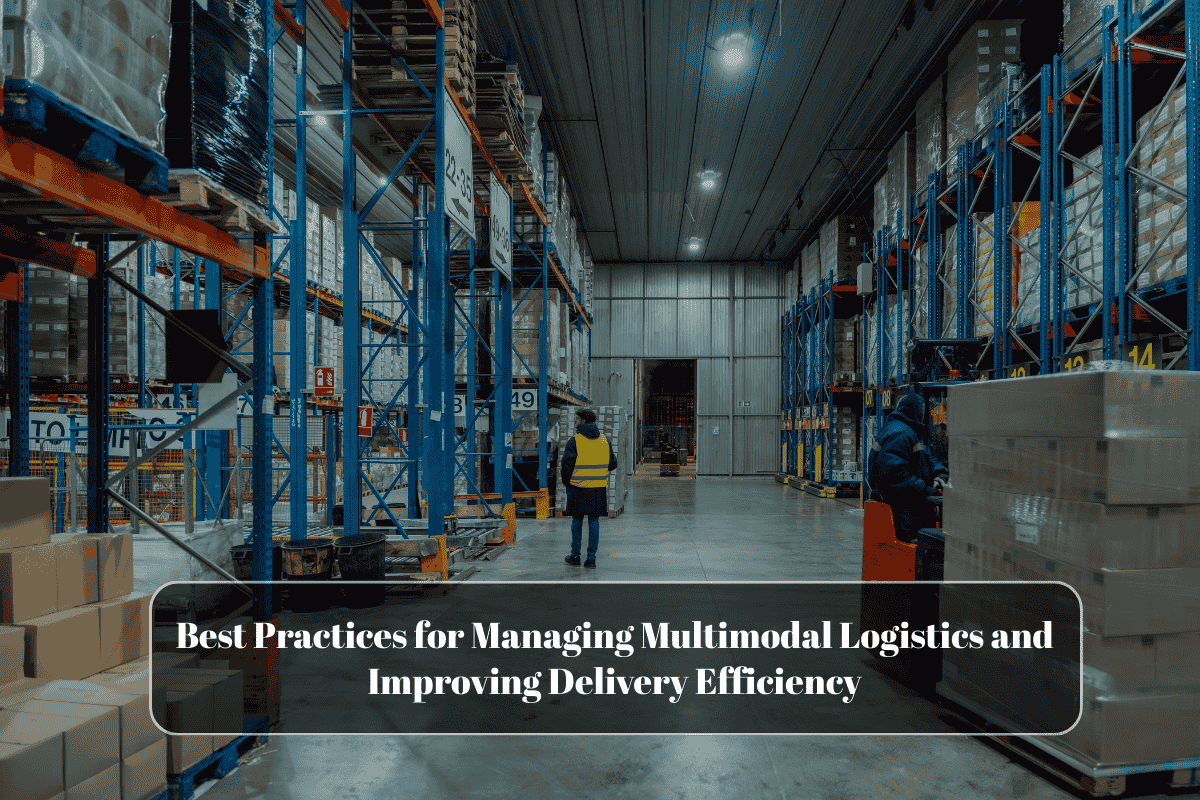
- Distributed Warehouses and Fulfillment Centers: By locating warehouses closer to key customer hubs or shipping regions, businesses can reduce the distance goods need to travel and significantly cut down on delivery times. This is especially important for e-commerce retailers aiming to meet consumer expectations for fast shipping.
What You Can Do:
- Invest in route optimization software that uses real-time data to streamline delivery paths.
- Consider setting up local distribution hubs or using third-party logistics (3PL) partners with established regional centers.
2. Reducing Costs Through Efficient Supply Chain Management
Freight delivery, particularly on a global scale, can be expensive. From fuel costs to labor, insurance, and warehousing, the cost of logistics can eat into profit margins. A robust logistics strategy seeks to minimize these costs while maintaining service quality and speed.
How Logistics Strategy Helps:
- Consolidation of Shipments: Shipping multiple items together or consolidating deliveries helps maximize the use of transportation capacity and reduces costs associated with partial loads. This is especially relevant for international shipping, where transportation can make up a significant portion of total delivery costs.
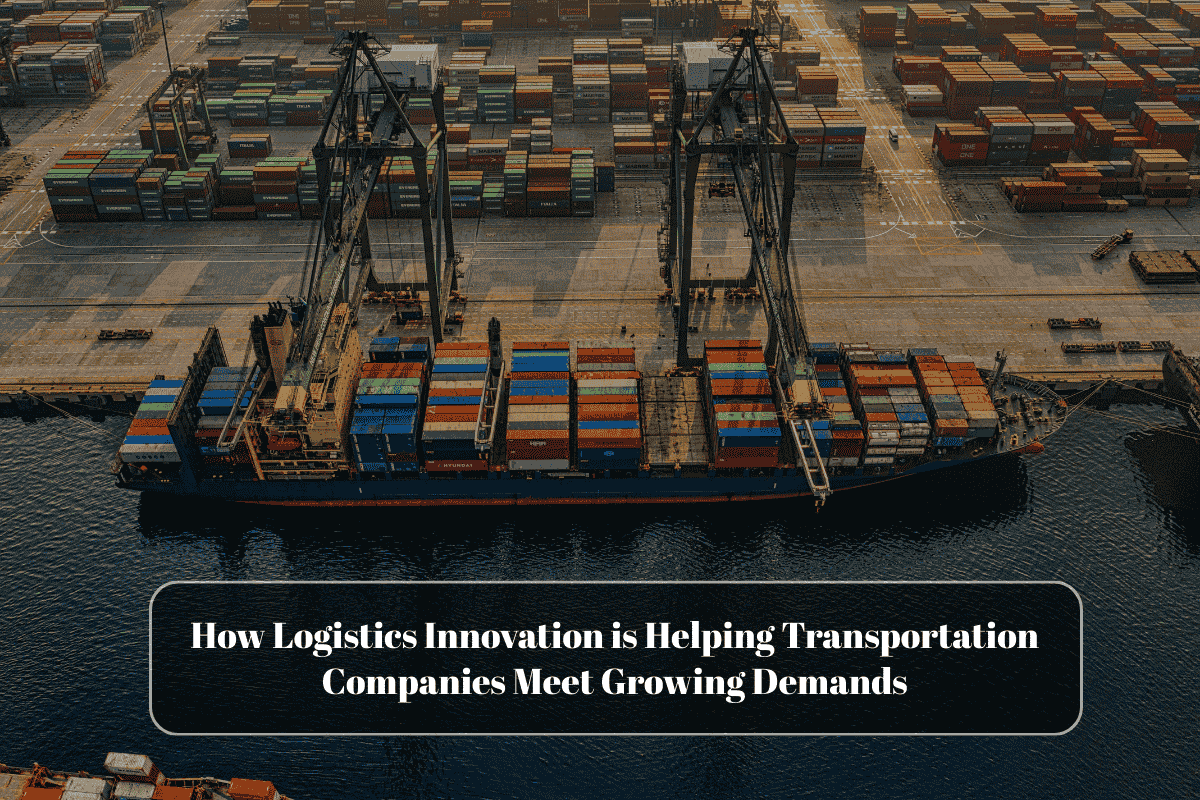
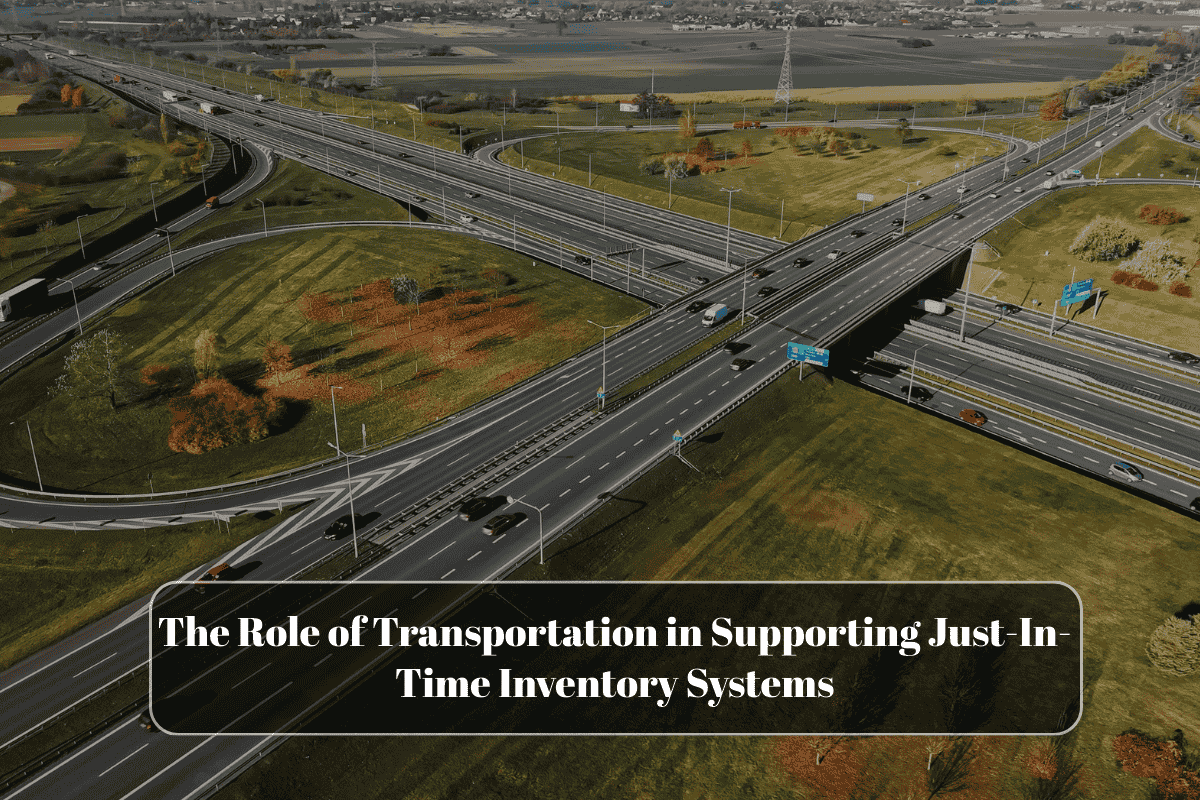
- Multi-modal Transportation: Using a combination of transportation methods—truck, rail, air, and sea—can optimize costs. For example, goods can be shipped by rail or sea for long distances at a lower cost, then transferred to trucks or vans for last-mile delivery.
- Supply Chain Visibility and Inventory Management: Implementing an end-to-end tracking system improves visibility, allowing businesses to better manage inventory and reduce overstock or stockouts. This reduces the cost of holding excess inventory and ensures timely deliveries without unnecessary delays.
What You Can Do:
- Leverage multi-modal transportation to find cost-effective shipping routes.
- Use transportation management software (TMS) to consolidate shipments and track inventory, reducing overhead and improving efficiency.
3. Enhancing Customer Satisfaction Through Transparency
Consumers and businesses alike demand more visibility into the status of their shipments. A lack of tracking information, delayed deliveries, or poor communication can erode trust and customer satisfaction. A logistics strategy that focuses on transparency helps build customer loyalty by keeping them informed and reassured.
How Logistics Strategy Helps:
- Real-Time Tracking: Providing customers with real-time tracking information allows them to monitor the status of their shipments. With technologies like GPS and RFID, businesses can give detailed updates on where packages are at any given time, reducing anxiety for customers and enabling businesses to address potential delays proactively.
- Proactive Communication: Automated notifications about shipment status, expected delivery times, and potential delays can improve the customer experience. When customers know what to expect and when, they are more likely to remain satisfied, even if an issue arises.
What You Can Do:
- Invest in digital platforms that offer real-time tracking for both businesses and customers.
- Set up automated systems for proactive customer communication, updating clients about their orders and expected delivery timelines.
4. Mitigating Supply Chain Risks and Disruptions
Global supply chains are often subject to disruptions, such as natural disasters, strikes, geopolitical tensions, or pandemics. These events can cause significant delays, affecting freight delivery times and the overall reliability of the logistics system. A strong logistics strategy should include plans to mitigate these risks and minimize their impact on delivery.
How Logistics Strategy Helps:
- Risk Diversification: To reduce reliance on any single supply chain node, businesses can diversify their suppliers, transportation routes, and warehouses. This ensures that if one link in the supply chain fails, there are alternative routes or sources to fall back on.
- Contingency Planning: Effective logistics strategies include contingency plans that address potential disruptions. Whether it’s rerouting shipments during a natural disaster or using alternate suppliers when needed, these plans ensure continuity in the face of adversity.
- Agile Logistics Systems: Businesses with agile logistics systems can quickly adapt to changes, such as shifting from one carrier to another or adjusting inventory distribution in response to supply shortages.
What You Can Do:
- Build strong relationships with multiple suppliers and transportation partners to ensure options in case of disruption.
- Implement agile supply chain technologies that allow for quick decision-making and adaptation in response to unforeseen events.
5. Sustainability and Green Logistics
With increasing pressure from consumers, regulators, and society at large, many businesses are looking to adopt more sustainable logistics strategies. Reducing the environmental impact of freight delivery—such as carbon emissions from transportation—has become a critical goal for companies striving to meet modern consumer expectations and regulatory requirements.
How Logistics Strategy Helps:
- Eco-friendly Packaging: By optimizing packaging materials (e.g., reducing excess packaging or using recyclable materials), companies can cut down on waste and reduce the environmental footprint of their shipments.
- Fuel-Efficient Vehicles: Using energy-efficient vehicles, such as electric trucks or hybrid delivery vans, helps reduce carbon emissions in the transportation process.
- Optimizing Routes for Fuel Efficiency: Advanced logistics technology allows for route optimization that minimizes fuel consumption by considering the fastest or least congested routes.
What You Can Do:
- Invest in eco-friendly packaging materials and work with vendors who prioritize sustainability.
- Incorporate electric or hybrid vehicles into your fleet and explore fuel-efficient technologies.
- Use route optimization software to minimize fuel consumption, reduce emissions, and decrease transportation costs.
6. Adopting Technology and Automation for Scalability
The demands on freight delivery are only going to continue growing. To meet these demands, logistics strategies must evolve to incorporate emerging technologies and automation. Automation and advanced technology allow businesses to scale operations, increase efficiency, and reduce the risk of human error.
How Logistics Strategy Helps:
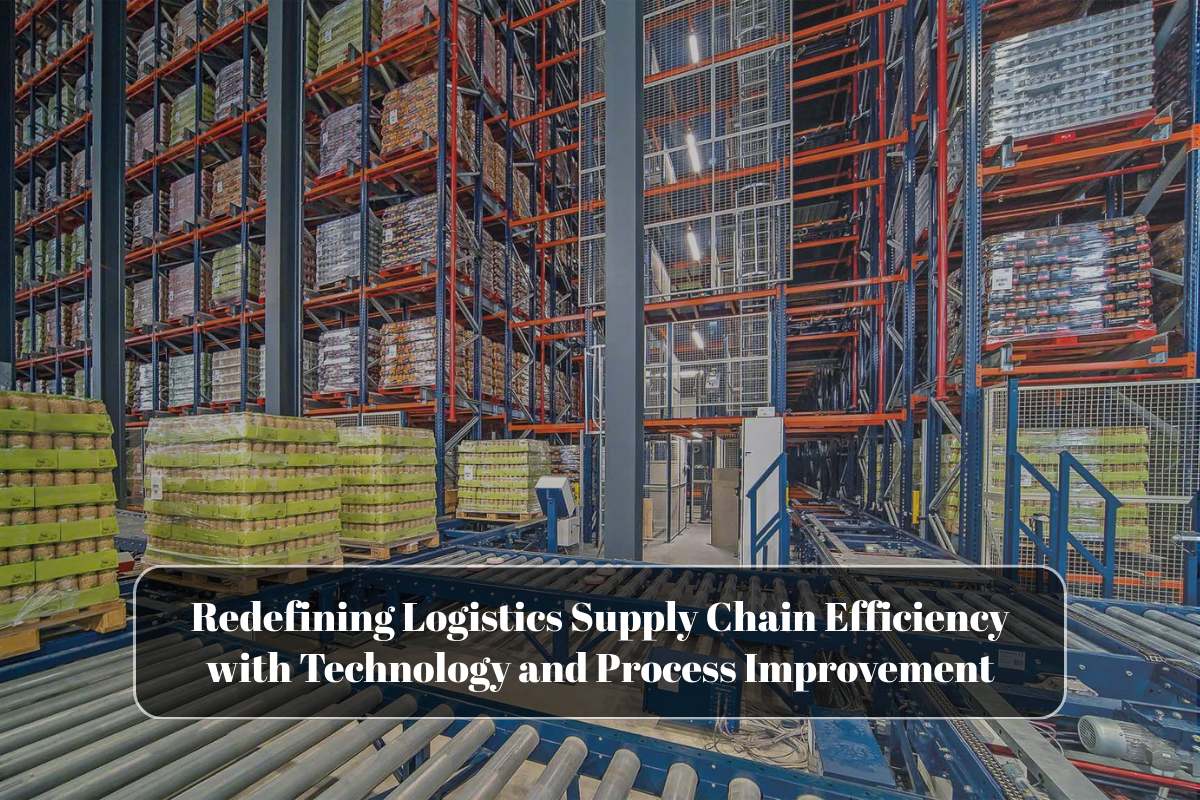
- Warehouse Automation: Automated warehouses equipped with robotics, AI, and conveyor systems improve order fulfillment speed and accuracy, allowing businesses to keep up with high demand and fast delivery times.
- Artificial Intelligence and Machine Learning: AI and machine learning can analyze vast amounts of data to predict demand, optimize routes, and manage inventory. This makes the logistics process more efficient and responsive to changing conditions.
- Robotics and Drones for Delivery: In some markets, drones and autonomous vehicles are being tested for last-mile delivery, promising faster and more cost-effective delivery options.
What You Can Do:
- Implement automation in warehouses and fulfillment centers to speed up the order fulfillment process.
- Explore AI-based tools for inventory management and demand forecasting to enhance logistics efficiency.
- Stay up to date with innovations in autonomous delivery methods to improve last-mile delivery.
A well-thought-out logistics strategy is essential to meet today’s growing demands for fast, cost-effective, and sustainable freight delivery. From optimizing delivery speed and improving customer satisfaction to addressing supply chain risks and leveraging technology, a strong logistics strategy ensures that businesses can keep up with the dynamic and competitive landscape of modern freight delivery.
By continuously refining their logistics strategies, businesses can not only meet customer expectations but also enhance operational efficiency, reduce costs, and ensure long-term success in an increasingly interconnected global market.
Frequently Asked Questions (FAQ)
1. How can logistics strategy improve delivery speed?
By optimizing delivery routes, strategically placing warehouses near key markets, and implementing advanced technologies like real-time tracking and predictive analytics, logistics strategy can significantly reduce delivery times.
2. What role does technology play in logistics strategy?
Technology enables automation, route optimization, real-time tracking, and AI-driven forecasting. It streamlines operations, reduces errors, and increases the speed and efficiency of the entire supply chain.
3. How can businesses ensure sustainable logistics practices?
Businesses can adopt green logistics strategies by using eco-friendly packaging, investing in fuel-efficient or electric vehicles, optimizing routes to reduce emissions, and implementing sustainable supply chain practices.
4. How can logistics strategy mitigate supply chain risks?
Logistics strategies can mitigate risks by diversifying suppliers and routes, implementing contingency plans, and using agile systems that adapt to disruptions in real-time.
5. What is multi-modal transportation, and why is it important in logistics strategy?
Multi-modal transportation uses a combination of different transportation methods, such as rail, road, sea, and air, to optimize shipping efficiency and reduce costs. It offers flexibility and cost savings, particularly for long-distance and international shipments.