Istics technology enhances decision-making in U.S. supply chains by delivering real-time data, predictive insights, and automation across complex networks. Tools like AI, IoT, and blockchain enable companies to navigate disruptions, optimize routes, and cut costs effectively.
Key Technologies Driving Change
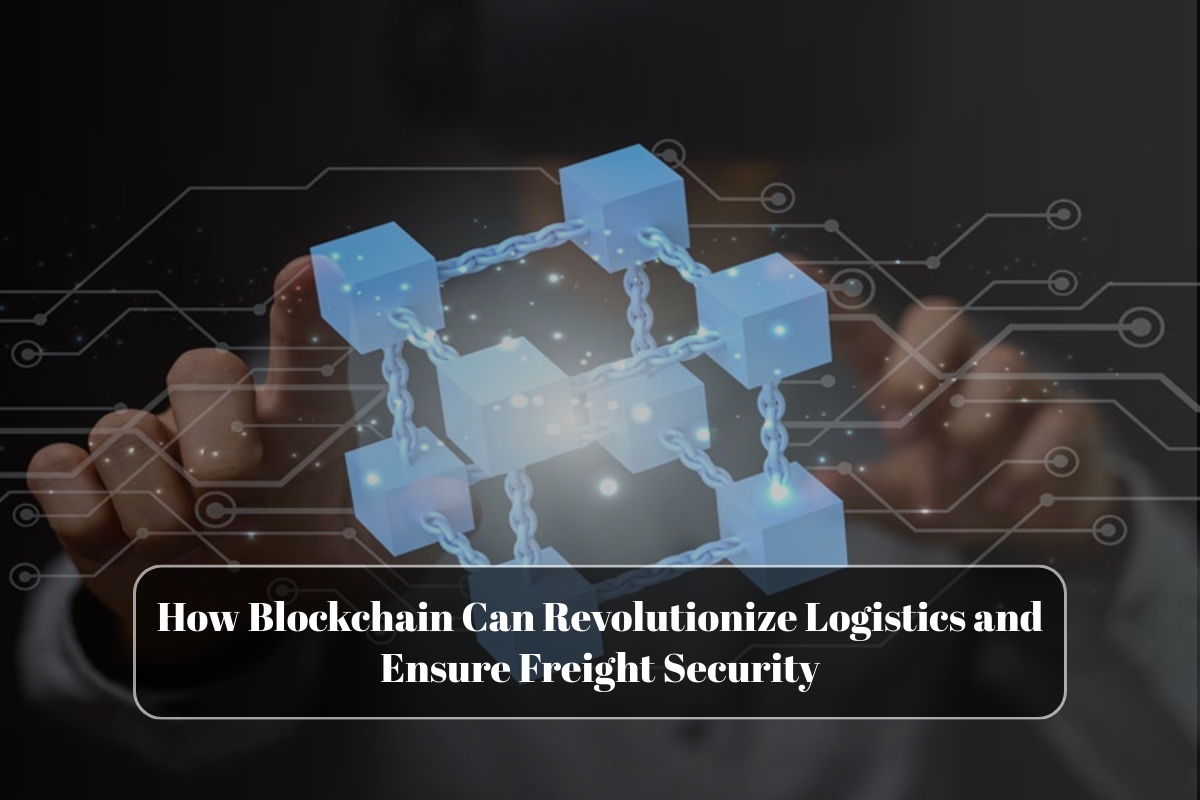
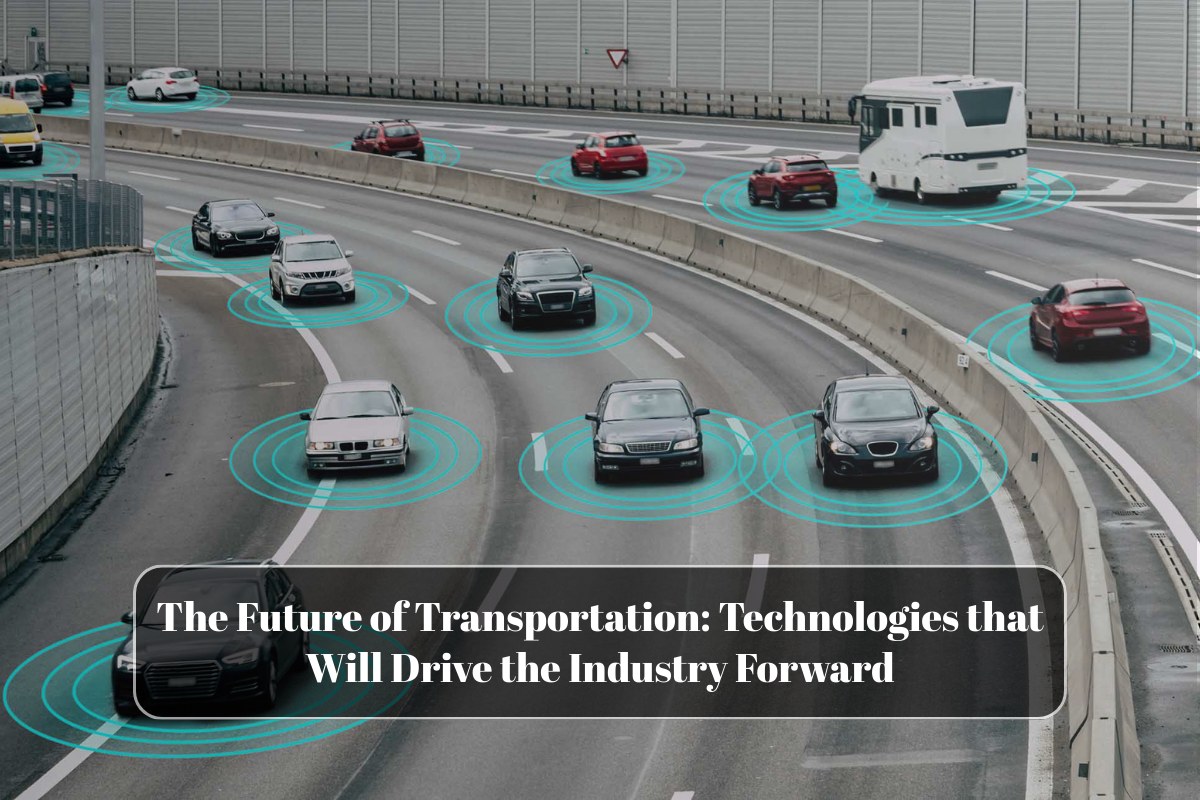
Artificial Intelligence (AI) and machine learning analyze vast datasets for demand forecasting and anomaly detection, shifting decisions from reactive to proactive. IoT sensors provide end-to-end visibility, tracking shipments in real time to prevent delays. Blockchain ensures secure, transparent transactions, reducing fraud in multi-party networks.
Big data analytics and digital twins simulate scenarios, allowing planners to test strategies virtually before implementation.
Enhancing Visibility and Real-Time Decisions
Real-time visibility platforms integrate telematics, ELD data, and mobile apps to monitor shipments across carriers. Macy’s uses such systems to sync mainframe data with cloud dashboards, adjusting inventory dynamically. This reduces stockouts and overstock by up to 30% in retail chains.
Predictive analytics anticipates disruptions like port strikes, optimizing rerouting and resource allocation.
U.S. Industry Examples
U.S. firms lead in adoption:
- Retail: Walmart employs predictive analytics for route optimization, minimizing mileage and emissions.
- Food & Beverage: Zipline Logistics helped Evans Food Group consolidate LTL shipments, cutting pallet costs 20% via EDI and data tools.
- Consumer Goods: project44 provides visibility for complex networks, improving on-time delivery 17% for a national soda brand.
- Manufacturing: Noatum Logistics aids apparel retailers with PO tracking for better purchasing decisions.
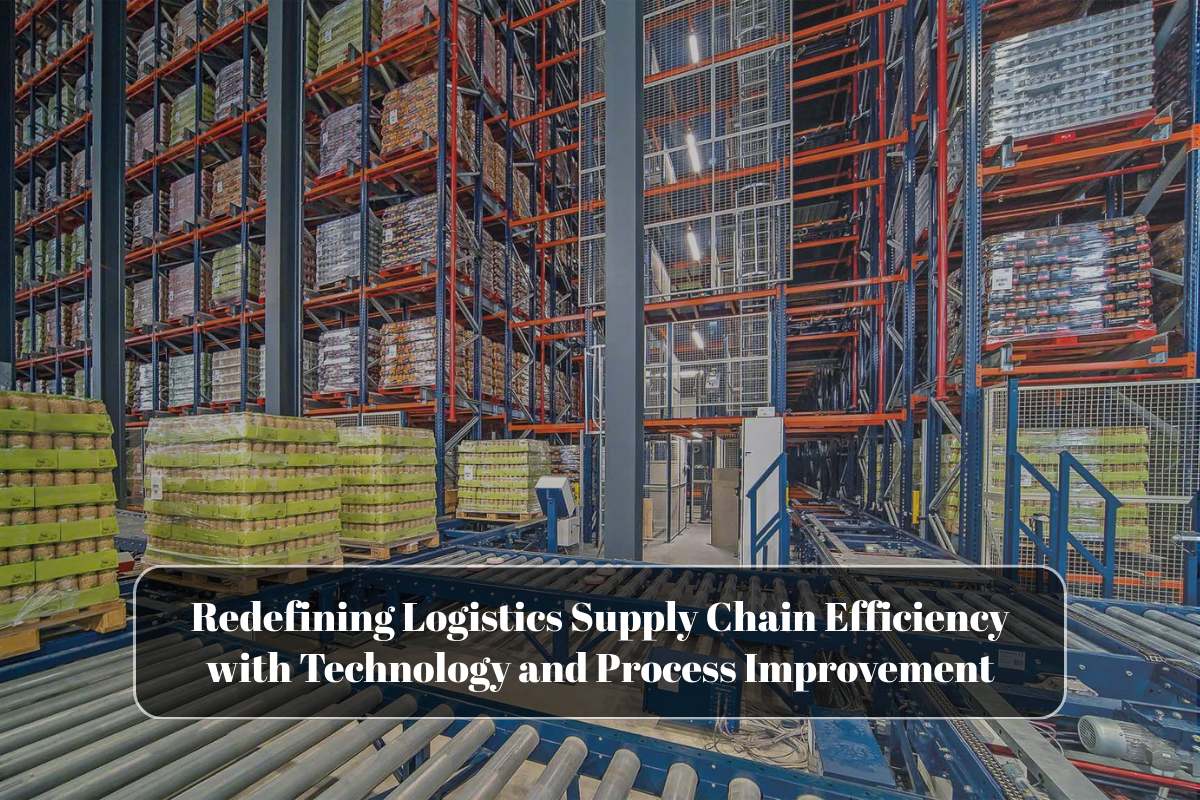
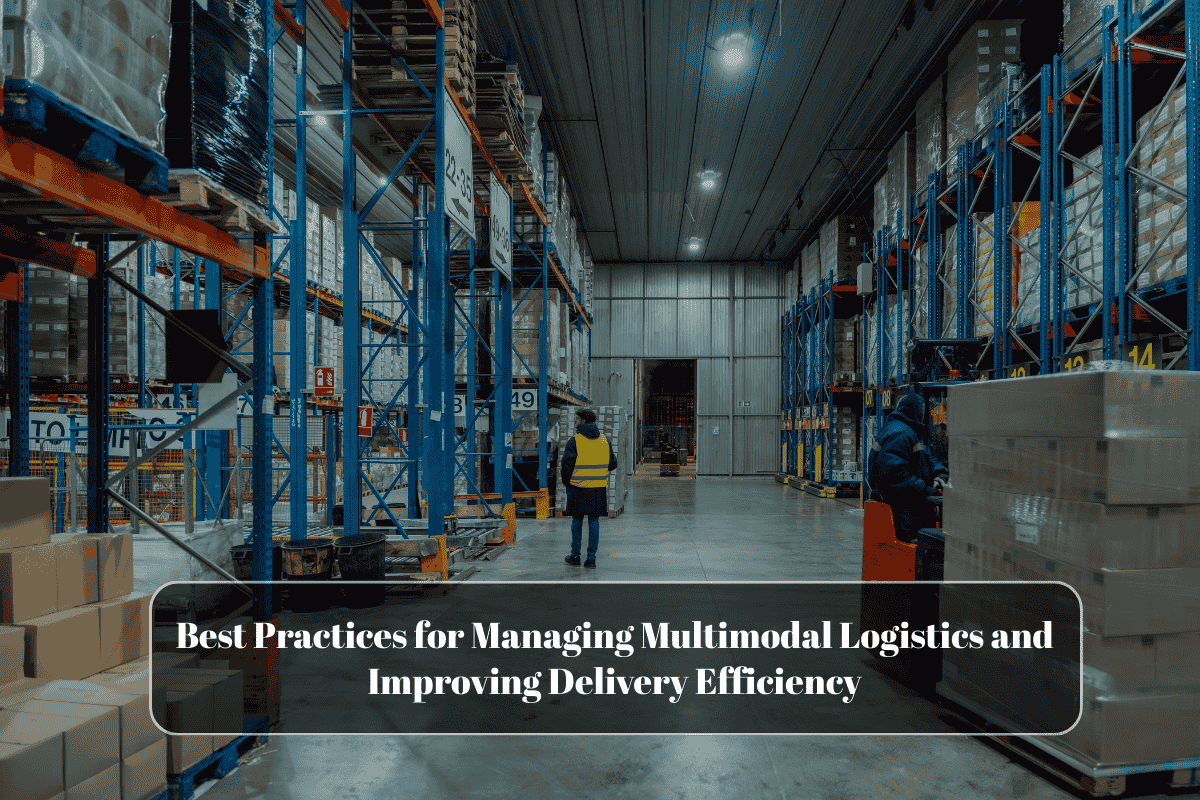
DHL’s warehouse automation in the U.S. boosts inventory management through robotics.
Improving Supply Chain Resilience
Technology mitigates risks in volatile networks. AI identifies supplier vulnerabilities, while IoT monitors conditions like temperature for perishables. During disruptions, digital command centers unify planning, warehousing, and transport oversight.
Automation handles labor shortages, with autonomous vehicles and robotics scaling operations.
Challenges and Future Outlook
Integration hurdles include data silos and cybersecurity, addressed by API ecosystems and standards. Investments are surging, with 2025 trends focusing on GenAI for autonomous chains.
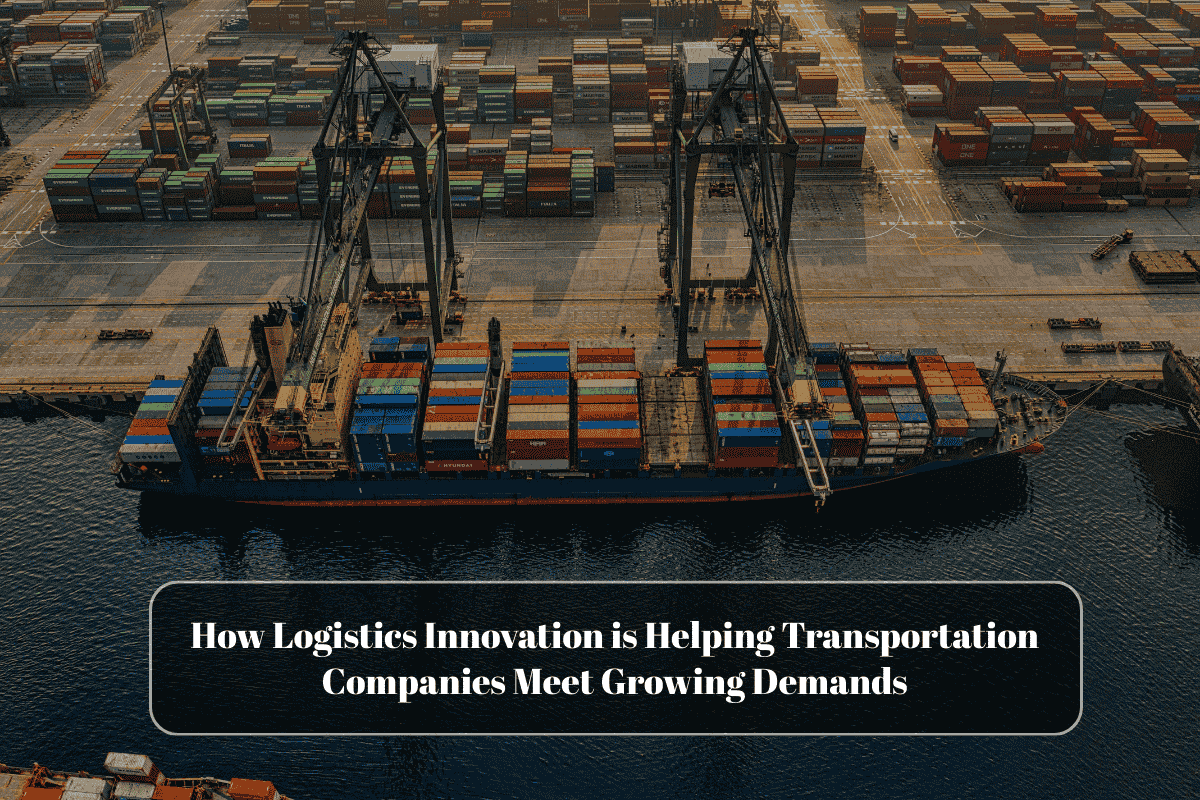
Under President Trump’s efficiency push, deregulation accelerates tech adoption in freight and ports.
Frequently Asked Questions (FAQ)
1. How does AI improve supply chain decisions?
AI forecasts demand and optimizes inventory via machine learning, enabling proactive adjustments like Walmart’s route planning.
2. What role does IoT play in logistics visibility?
IoT sensors enable real-time tracking of goods, conditions, and locations, reducing delays as in Macy’s cloud integration.
3. Can blockchain help complex U.S. networks?
Yes, it provides tamper-proof records for transparency and compliance across multi-tier suppliers.
4. What are real-world U.S. success stories?
Zipline cut costs 20% for Evans Food via consolidation tech; project44 boosted delivery 17% for beverages.
5. What trends shape 2025 logistics tech?
GenAI, digital twins, and API integrations for agility amid labor shortages and real-time demands.