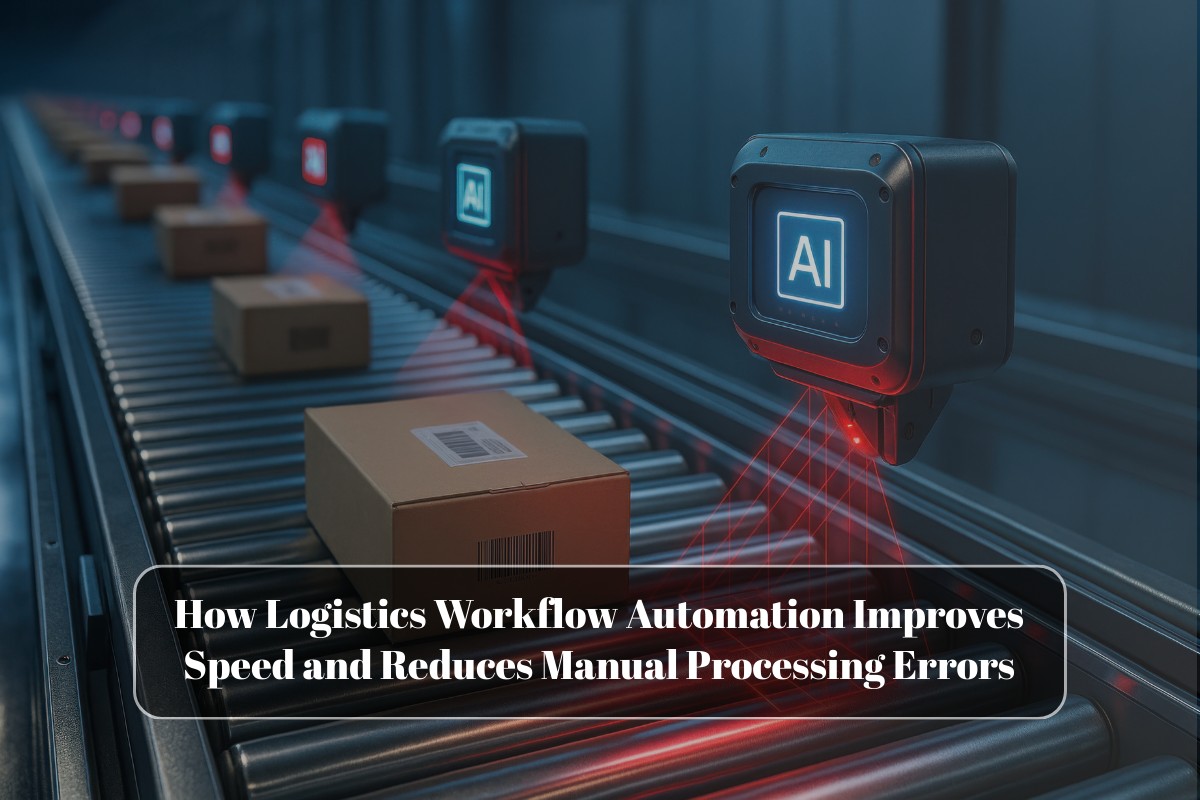
Logistics workflow automation streamlines operations by replacing manual tasks with digital systems, enabling faster processing and minimizing human errors in high-volume environments. For businesses in India’s dynamic supply chains, like those in Panipat’s textile hubs, automation handles order fulfillment, inventory tracking, and freight coordination with precision. This shift boosts throughput by 30-50% while cutting error rates dramatically.
Core Mechanisms of Workflow Automation
Automation integrates software like TMS (Transportation Management Systems) and WMS (Warehouse Management Systems) to orchestrate repetitive processes end-to-end. AI-driven tools automate quoting, booking, documentation, and tracking, eliminating spreadsheets and manual data entry.
Key automated workflows include:
- Instant quote generation from carrier data.
- Automated order confirmation and shipment creation.
- Real-time inventory updates and route optimization.
- Exception handling with proactive alerts.
These systems synchronize data across stakeholders, reducing handoffs that breed delays and mistakes.
Accelerating Speed Across Logistics Stages
Automation slashes cycle times by processing tasks at machine speeds, far outpacing human workflows.
Order processing drops from hours to seconds: AI pulls rates, validates availability, and books shipments instantly, capturing high-demand loads before competitors. Freight forwarding sees 85% faster quote turnaround, with platforms like Wisor enabling real-time decisions.
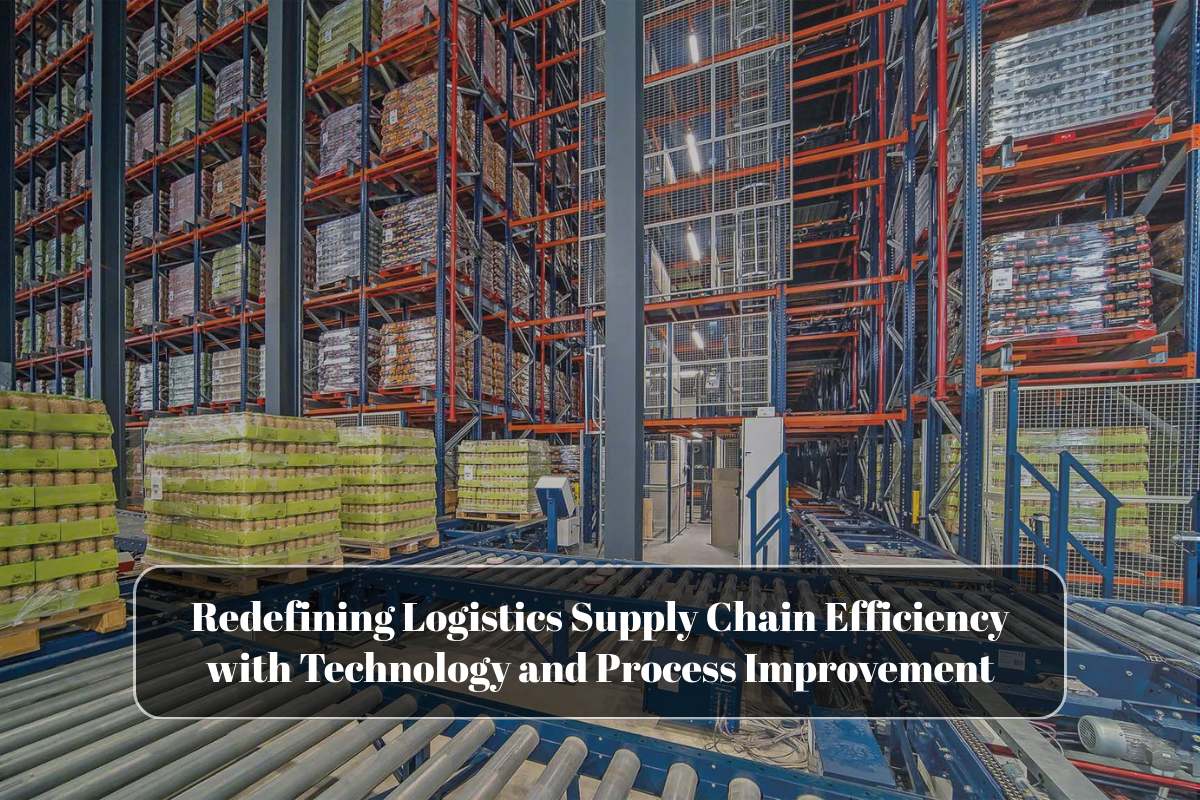
In warehousing, robotic picking and automated sorting handle peaks 24/7, boosting fulfillment rates without fatigue. Route optimization integrates traffic data for dynamic adjustments, shortening delivery windows by 20-30%.
End-to-end visibility via IoT and dashboards provides live updates, enabling proactive rerouting and reducing dwell times at ports or depots.
Eliminating Manual Errors and Risks
Human errors—data entry mistakes, misreads, or overlooked updates—cost logistics firms millions in returns, fines, and delays. Automation enforces rules-based validation, achieving near-100% accuracy.
RPA (Robotic Process Automation) audits invoices, matches bills of lading, and flags discrepancies instantly, cutting billing errors by 90%. Pick-and-pack automation uses barcode scanning and AI vision to ensure correct items, minimizing returns by 50%.
Customs and compliance workflows auto-generate documents with pre-filled data, reducing rejection rates. Predictive analytics spots patterns in past errors, preventing recurrence.
Cost Savings and Scalability Benefits
Beyond speed and accuracy, automation drives ROI through labor efficiencies and resource optimization.
Firms reduce headcount needs for repetitive tasks by 30-40%, reallocating staff to strategic roles like customer service or planning. Fuel savings from optimized routes and load planning cut costs 10-20%, while 24/7 operations handle volume surges without overtime.
Scalability shines during peaks—e-commerce surges or seasonal exports—where cloud-based systems expand capacity seamlessly. McKinsey notes 20% operational cost drops from such implementations.
Implementation Strategies for Logistics Firms
Start with high-impact areas: freight quoting and tracking yield quick wins. Phased rollouts integrate legacy systems via APIs, with staff training on dashboards.
Choose platforms with AI for forecasting and anomaly detection. Pilot in one lane or warehouse, measure KPIs like OTIF (On-Time In-Full), then scale. Partner with providers like SuperProcure for TMS that deliver 8% freight savings.
In India, adopt GS1 standards for interoperability, ensuring smooth data flow across diverse partners.
Challenges and Mitigation Tactics
Integration hurdles and change resistance arise, but clean data migration and user-friendly interfaces ease adoption. Security protocols protect sensitive shipment data.
ROI materializes in 6-12 months for most, with ongoing analytics refining workflows. SMEs access affordable SaaS options, leveling the field against giants.
Long-Term Transformation in Supply Chains
Automation evolves logistics from reactive to predictive, fostering resilience against disruptions like monsoons or port backlogs. It enhances customer satisfaction with tracking portals and proactive alerts, building loyalty.
For Panipat’s exporters, it means faster global reach, fewer errors in documentation, and optimized trucking to Delhi hubs—turning workflow friction into competitive speed.
Frequently Asked Questions (FAQ)
Q1: What logistics tasks benefit most from automation?
Quoting, booking, invoicing, picking, and tracking—repetitive, data-heavy processes see 50-85% speed gains.
Q2: Does automation replace human workers?
No—it shifts them to high-value tasks like exception resolution and strategy, boosting productivity 30-40%.
Q3: How much can errors really cost in logistics?
Up to 1-2% of revenue from returns, fines, and delays; automation cuts this by 80-90%.
Q4: Is automation suitable for small logistics firms?
Yes—cloud SaaS starts at low cost, scaling with volume for 20% efficiency gains.
Q5: What ROI timeline is realistic?
6-18 months, with 20-40% cost reductions and 30% speed improvements.
Q6: How does AI enhance basic automation?
Predictive routing, demand forecasting, and anomaly detection prevent issues proactively.