Logistics bottlenecks occur when any link in the supply chain—such as inventory shortages, transportation delays, or warehouse inefficiencies—slows or halts the flow of goods, directly eroding business productivity and customer satisfaction. These disruptions create ripple effects, amplifying costs, delaying outputs, and frustrating end-users who expect seamless service. Addressing them requires visibility and proactive strategies to restore efficiency and trust.
Common Causes of Logistics Bottlenecks
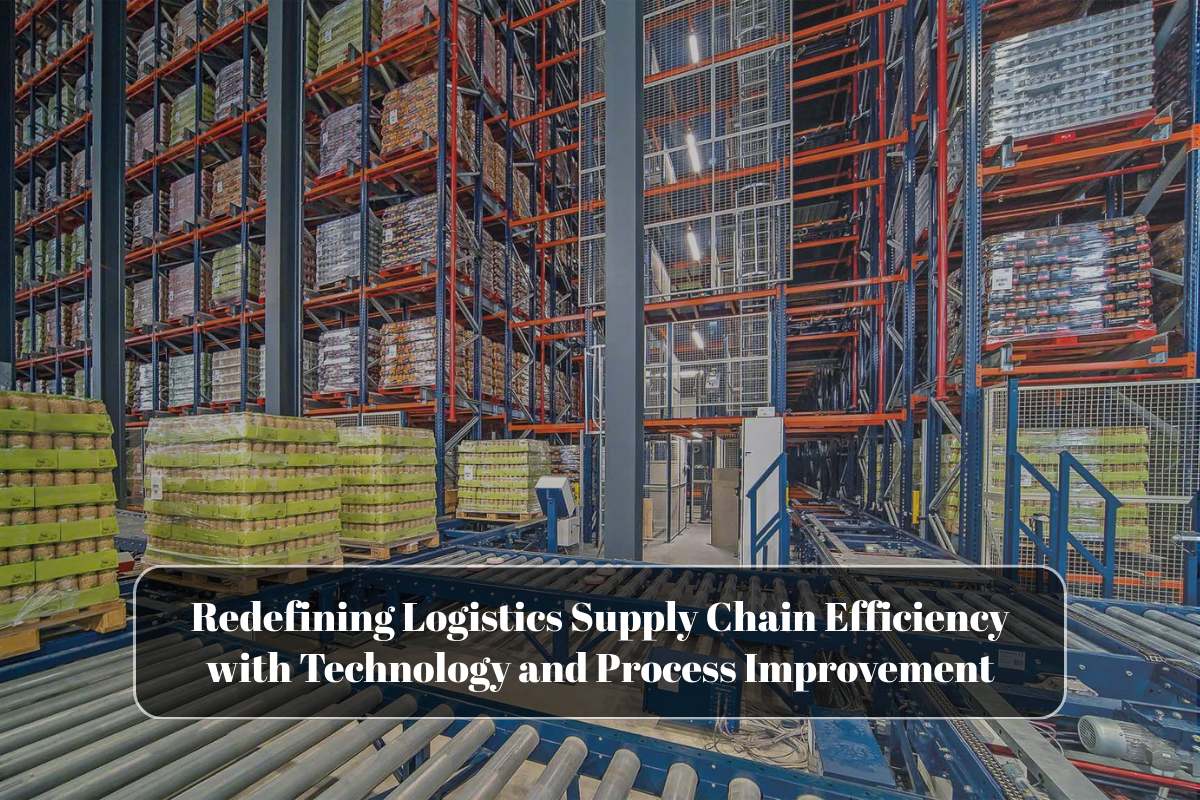
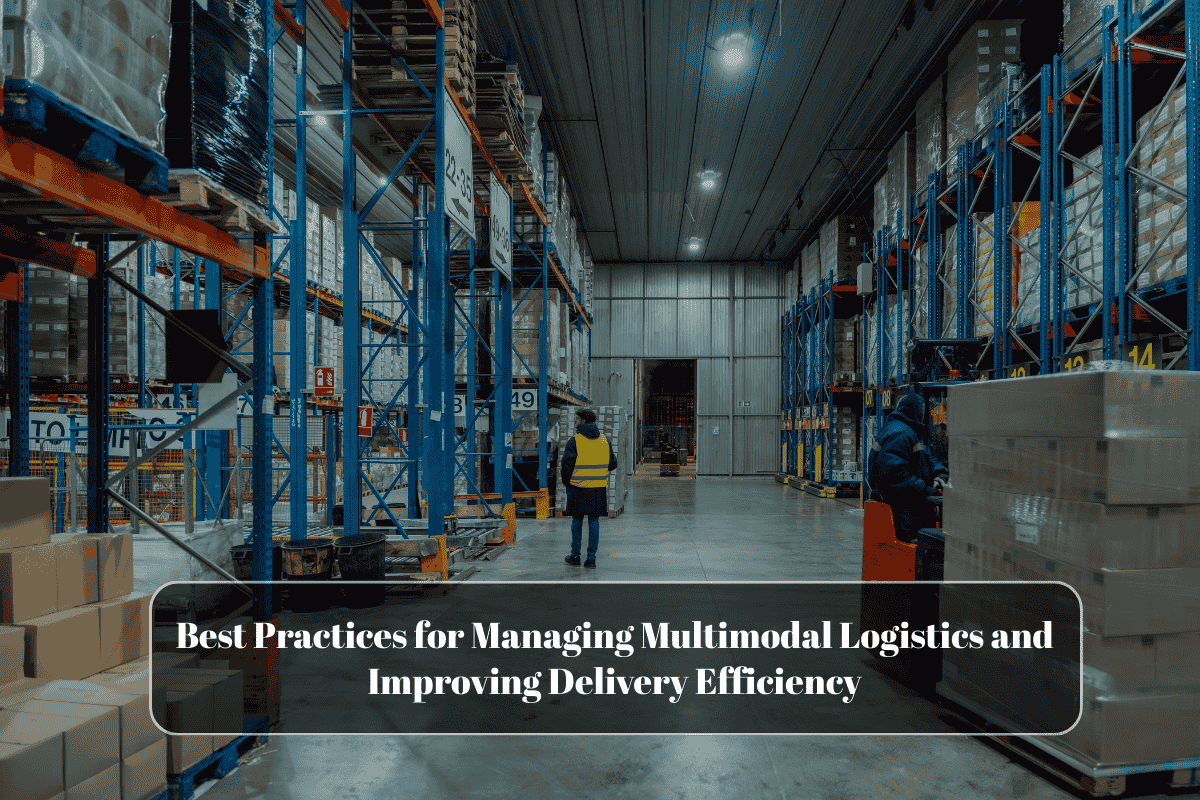
Bottlenecks arise from multiple sources, often interconnected. Inefficient processes, like outdated manual systems or poor workflow design, lead to delays and resource waste, slowing production lines. Capacity constraints—limited warehouse space, equipment breakdowns, or labor shortages—create backups, as seen in overstocked facilities or understaffed loading docks.
Supply chain delays from unreliable suppliers or customs issues exacerbate problems, while demand surges overwhelm unprepared systems. Communication gaps between teams, partners, or customers compound errors, resulting in misaligned expectations and duplicated efforts. Technology underutilization, such as lacking real-time tracking, further blinds operations to emerging issues.
Direct Impact on Business Productivity
Bottlenecks slash productivity by idling resources and extending cycle times. Production halts when raw materials arrive late, forcing workers to wait and machinery to sit unused, reducing output by 20-30% in severe cases. Inventory imbalances—overstock ties up capital in storage, while stockouts halt assembly—drive unnecessary expedited shipping costs, sometimes $5,000 daily for mid-sized firms.
Operational inefficiencies ripple through: duplicated tasks waste labor, poor maintenance causes frequent breakdowns, and lack of planning leads to uncoordinated decisions. Overall, these reduce throughput, lower equipment utilization, and inflate overheads, eroding profit margins as fixed costs spread over fewer units.
Effects on Customer Satisfaction
Customers bear the brunt through delayed deliveries, incomplete orders, or inconsistent service, directly harming satisfaction scores. Late shipments—often from bottlenecks—prompt complaints, with 53% of consumers switching brands after one poor experience. Unclear communication about delays breeds distrust, turning loyal buyers into detractors via negative reviews and social media backlash.
Product shortages frustrate expectations, especially in e-commerce where next-day delivery is standard, leading to abandoned carts and lost revenue. Over time, repeated issues damage brand reputation, reducing repeat business and referrals, as reliability ranks highest in service quality perceptions.
Quantifiable Financial and Operational Costs
Financially, bottlenecks escalate expenses: storage fees for excess inventory, rush freight premiums (up to 3x standard rates), and rework for quality defects from rushed processes. Productivity losses translate to revenue shortfalls—delays can cost millions in high-volume sectors like retail or manufacturing.
Operationally, strained supplier relationships lead to higher procurement costs, while internal disruptions lower employee morale and increase turnover. McKinsey notes optimized processes can boost productivity by 30%, underscoring the inverse cost of inaction.
Strategies to Identify and Mitigate Bottlenecks
Proactive identification uses tools like process mapping, bottleneck analysis (e.g., Theory of Constraints), and KPIs such as cycle time, on-time delivery rates, and inventory turns. Real-time dashboards with IoT sensors and AI predict chokepoints via data on throughput and queue lengths.
Mitigation involves streamlining workflows, investing in automation (e.g., Yard Management Systems for docks), and building redundancy like multi-supplier strategies. Cross-departmental collaboration, regular audits, and training address root causes, while agile planning handles surges. Technology like TMS and WMS provides visibility, enabling quick rerouting or inventory rebalancing.
Long-Term Benefits of Bottleneck Resolution
Resolving bottlenecks enhances resilience, cutting costs by 15-25% through efficiency gains and improving customer retention via reliable service. Businesses achieve scalable growth, better supplier ties, and data-driven decisions, turning potential crises into competitive advantages.
Frequently Asked Questions (FAQ)
1. What is the most common logistics bottleneck?
Capacity constraints like warehouse overcrowding or labor shortages top the list, causing backups that halt flows and inflate costs.
2. How do bottlenecks affect small businesses differently?
They hit harder due to limited buffers, amplifying cash flow strains from delays and lost sales without scale for quick recovery.
3. Can technology fully eliminate bottlenecks?
No, but tools like AI forecasting and real-time tracking reduce them by 30-50% through predictive mitigation and visibility.
4. How do you measure a bottleneck’s impact on productivity?
Track KPIs: throughput rates, cycle times, inventory turns, and on-time delivery—drops signal issues needing intervention.
5. What role does communication play in preventing bottlenecks?
Clear coordination across suppliers, teams, and customers aligns expectations, averting delays from miscommunications or surprises.