Logistics forecasting equips U.S. businesses to predict demand, optimize inventory, and mitigate disruptions in a supply chain handling $15 trillion annually, where delays cost $1.5 trillion in lost productivity.
Accurate projections using AI, historical data, and real-time analytics reduce stockouts by 20-50% and overstock by 30%, ensuring on-time deliveries amid port congestion and labor shortages. From e-commerce giants like Amazon to manufacturers, forecasting drives 15% cost savings and 3x faster cash cycles, per industry benchmarks.
Optimized Inventory Management
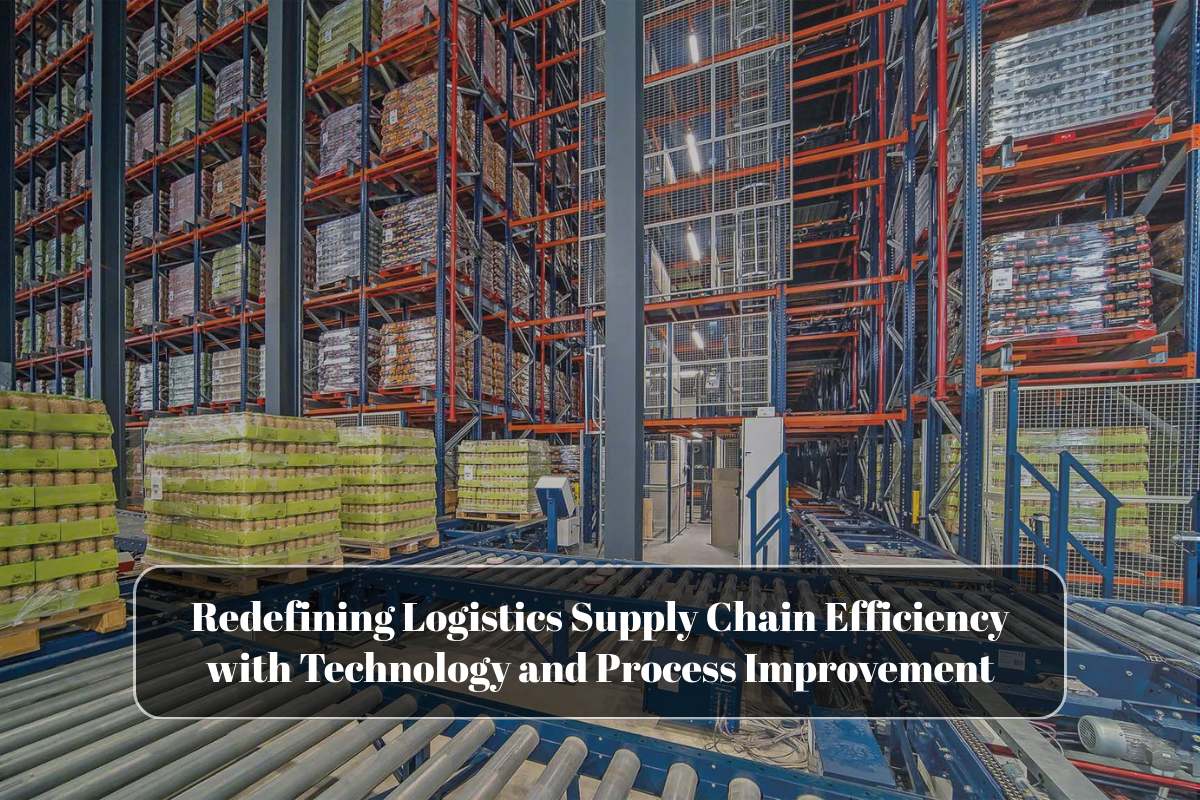
Forecasting balances stock levels to avoid excess capital tied in warehouses (up to 25% of costs) or shortages causing 10% sales loss. Time-series models predict seasonal peaks—like Black Friday surges—enabling just-in-time replenishment, cutting holding costs 15-20%. U.S. retailers using predictive tools report 80% lead-time accuracy, preventing the $1.1 trillion annual overstock waste.
This precision supports omnichannel fulfillment across 330 million consumers.
Enhanced Resource Allocation
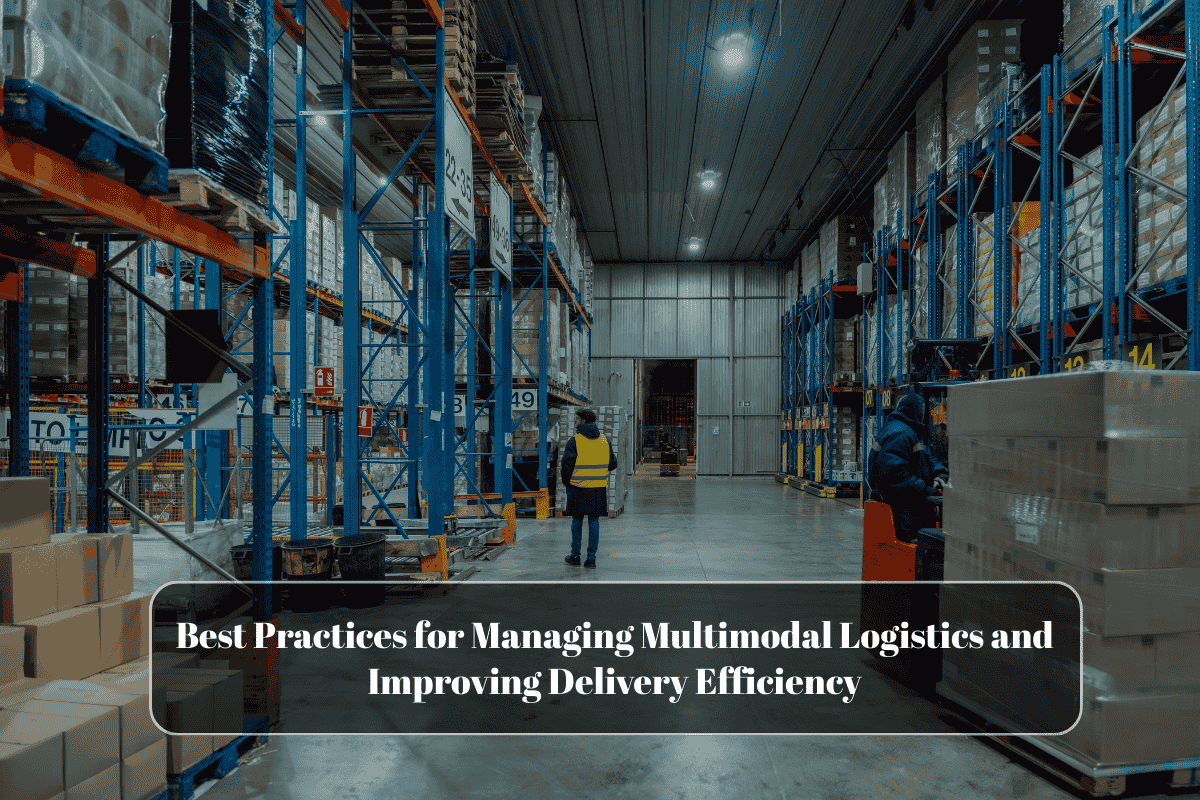
Projections guide fleet sizing, warehouse staffing, and supplier orders, scaling operations dynamically. For instance, anomaly detection flags delays, reallocating trucks to cut fuel 12% and labor mismatches. Midwest operators reroute via weather data, dropping late deliveries 18%; predictive maintenance averts 25% downtime in cold chains.
Efficient allocation boosts OEE to 95%, vital for 3PLs handling 70% of U.S. freight.
Risk Mitigation and Resilience
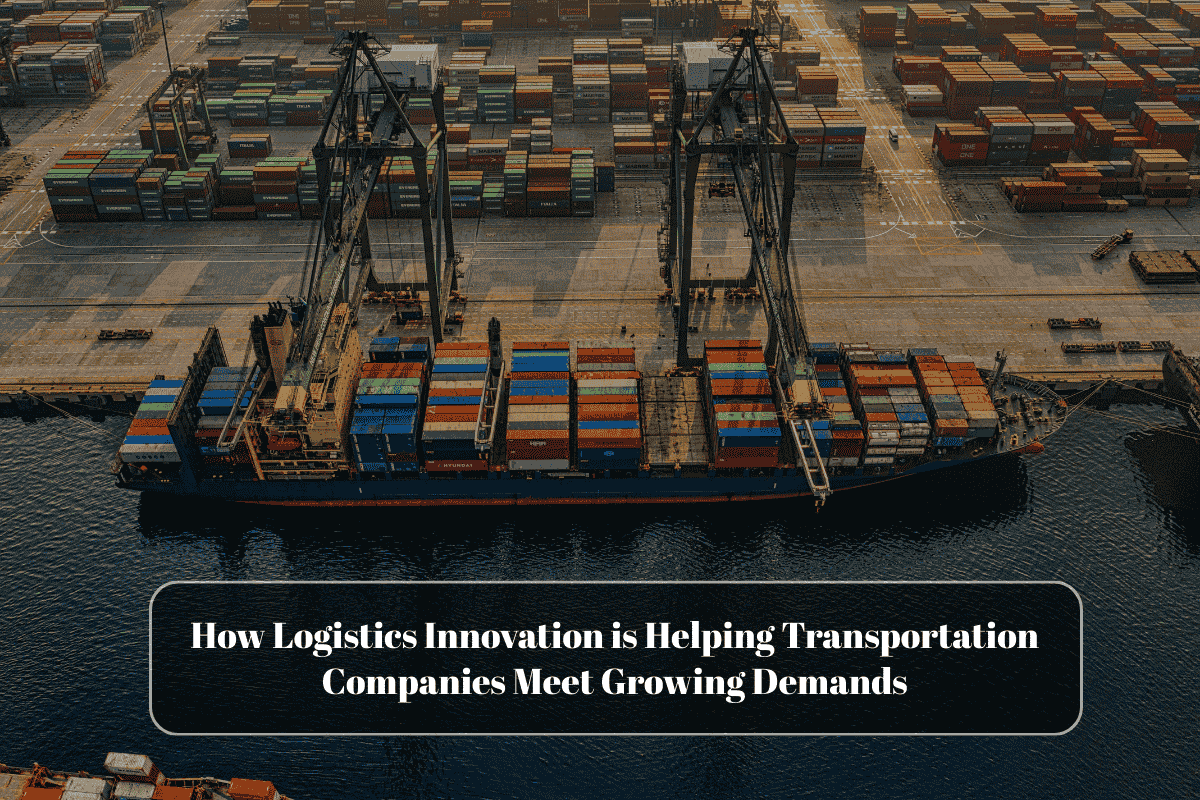
Scenario modeling anticipates disruptions—ports (Long Beach delays), strikes, or tariffs—preparing contingencies like alternate sourcing. Graph-based risk scoring cuts supplier downtime 30%, while real-time alerts enable 80% faster responses. During COVID, forecasters maintained 90% uptime vs. 60% reactive chains.
This builds agility against volatility affecting 90% of executives.
Improved Customer Service and Revenue
Timely fulfillment via demand alignment drives 95% satisfaction; forecasting ties promotions to stock, minimizing backorders. Retailers gain 20% fewer stockouts during holidays, enhancing loyalty and revenues 10-15%. Cash-to-cash cycles shorten 3x, freeing capital for growth.
Predictive routing ensures 98% on-time rates, competitive edges in e-commerce.
Data-Driven Decision Making
Integrating ERP, IoT sensors, and ML yields 360° visibility; dashboards track KPIs like fill rates and turns. U.S. firms adopting SCCTs see 18% SLA improvements, with custom platforms outperforming generics in scalability.
Implementation Best Practices
Start with historical sales, layer external factors (weather, trends), and iterate weekly. Tools like ThroughPut AI or SupplyFlex offer ROI via 15% cost drops; train teams on models for 25% accuracy gains.
FAQs
Q. How does logistics forecasting cut U.S. inventory costs?
Balances stock via time-series predictions, reducing overstock 30% ($1.1T waste) and stockouts 20-50%; just-in-time cuts holding 15-20%.
Q. Why is resource allocation improved by forecasting?
Scales fleets/staffing dynamically; anomaly detection reroutes, dropping delays 18%, fuel 12%, downtime 25% in Midwest chains.
Q. What risks does forecasting mitigate in American supply chains?
Models port strikes/tariffs; graph scoring cuts supplier downtime 30%, enabling 80% faster responses vs. reactive 60% COVID uptime.
Q. How does it boost customer service and revenues?
Ensures 95% satisfaction, 98% on-time via demand alignment; holiday stockouts drop 20%, cycles 3x faster for 10-15% revenue gains.
Q. What tools/practices yield best forecasting ROI?
ERP/IoT/ML dashboards (SupplyFlex); weekly iterations, scenario planning deliver 15% costs down, 18% SLA up in retail/pharma.