As businesses grow, their operations naturally become more complex. What once worked for a small customer base or limited product line can quickly break down under increased demand. This is where logistics process optimization becomes essential. By refining how goods are stored, moved, tracked, and delivered, organizations can build systems that not only handle current needs but also support long-term scalability. Logistics optimization is not just about efficiency—it is about creating a foundation for sustainable growth.
Strengthening Operational Efficiency as Volume Increases
One of the biggest challenges in scaling a business is maintaining efficiency while handling greater order volumes. Without optimized logistics processes, growth often leads to bottlenecks, delays, and rising costs.
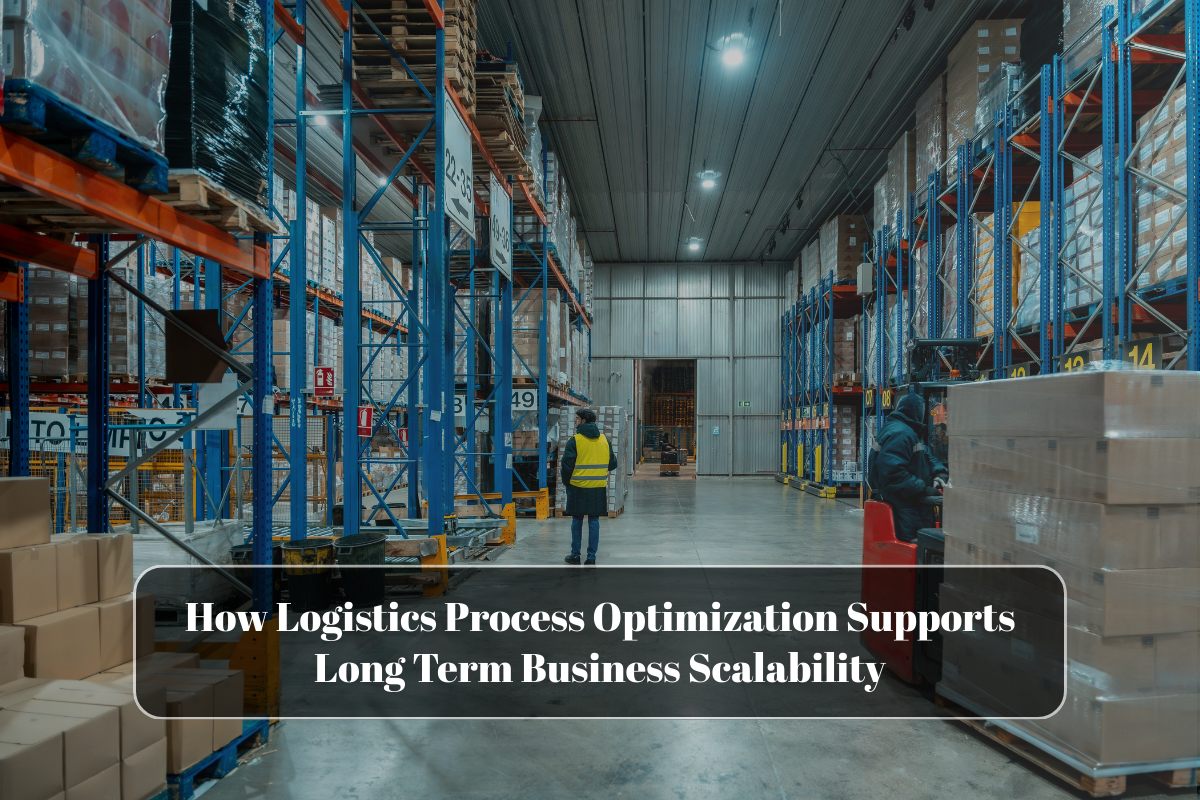
Process optimization focuses on streamlining workflows, eliminating redundant steps, and improving coordination across supply chain functions. This may include better warehouse layouts, faster order picking methods, improved routing, or automation of repetitive tasks. When operations run efficiently at higher volumes, businesses can scale without sacrificing service quality.
Reducing Costs While Supporting Growth
Growth often comes with increased expenses, but optimized logistics can help control and even reduce costs over time. Inefficient processes lead to wasted labor, higher transportation costs, excess inventory, and frequent errors.
By analyzing data and improving how resources are used, companies can minimize unnecessary spending. Optimized inventory management reduces overstock and stockouts. Improved transportation planning lowers fuel and freight costs. These savings allow businesses to reinvest in expansion, technology, and talent rather than constantly managing avoidable losses.
Improving Visibility and Decision-Making
Scalable businesses require strong visibility into their operations. Logistics optimization often involves implementing systems that provide real-time data on inventory levels, shipment status, and performance metrics.
With better visibility, leaders can make informed decisions quickly. They can forecast demand more accurately, plan capacity effectively, and respond to disruptions with greater agility. This data-driven approach becomes increasingly important as operations expand across regions, markets, or product categories.
Enhancing Customer Experience at Scale
Customer expectations grow alongside business growth. Faster delivery times, accurate orders, and transparent communication are no longer optional—they are essential for competitiveness.
Optimized logistics processes support consistent service quality even as demand increases. Streamlined fulfillment, reliable transportation, and clear tracking systems allow businesses to maintain strong customer experiences at scale. This consistency strengthens brand trust and supports long-term customer retention, which is critical for sustainable growth.
Supporting Flexibility and Adaptability
Scalable operations must be flexible enough to adapt to changing market conditions. Demand fluctuations, supply disruptions, new sales channels, and evolving customer expectations all require agility.
Logistics process optimization supports this adaptability by creating systems that are modular rather than rigid. When processes are well-designed and documented, they can be adjusted more easily. Businesses can integrate new technologies, add new partners, or expand into new markets without completely overhauling their operations.
Enabling Technology Integration and Automation
Long-term scalability increasingly depends on technology. Optimized logistics processes make it easier to implement advanced tools such as warehouse management systems, transportation management systems, automation, and artificial intelligence.
When processes are clear and efficient, technology can enhance them rather than complicate them. Automation can handle higher volumes without proportional increases in labor. Digital systems improve coordination across locations. This alignment between optimized processes and technology creates a strong foundation for scalable growth.
Strengthening Collaboration Across the Supply Chain
As businesses grow, they often rely on a broader network of suppliers, carriers, distributors, and partners. Poorly defined logistics processes can lead to confusion and misalignment across this network.
Process optimization improves communication, clarifies roles, and establishes consistent standards. This creates stronger collaboration with external partners, which becomes increasingly important as operations expand. A well-coordinated supply chain is more resilient, responsive, and capable of supporting long-term scalability.
Reducing Risk and Building Resilience
Growth brings not only opportunity but also risk. Disruptions such as supplier issues, transportation delays, or system failures can have greater impact on larger operations.
Optimized logistics processes help reduce these risks by improving planning, creating contingency strategies, and strengthening overall resilience. Businesses with strong logistics foundations are better prepared to handle unexpected challenges without derailing their growth trajectory.
Frequently Asked Questions
What is logistics process optimization?
It is the practice of improving how logistics activities such as inventory management, transportation, warehousing, and order fulfillment are designed and executed to increase efficiency and effectiveness.
Why is logistics optimization important for scalability?
Without optimized processes, growth often leads to inefficiencies, higher costs, and service issues. Optimization ensures systems can handle increased demand sustainably.
Can small businesses benefit from logistics optimization?
Yes. Early optimization helps small businesses build strong foundations, making future growth smoother and less disruptive.
How does logistics optimization improve customer satisfaction?
It supports faster deliveries, more accurate orders, better communication, and consistent service quality, all of which improve the customer experience.
Is technology required for logistics process optimization?
Technology helps significantly, but optimization can begin with process improvements, better planning, and clearer workflows before advanced tools are added.
How often should logistics processes be reviewed?
Regularly. As businesses grow and markets change, ongoing evaluation and refinement are essential to maintain scalability and performance.